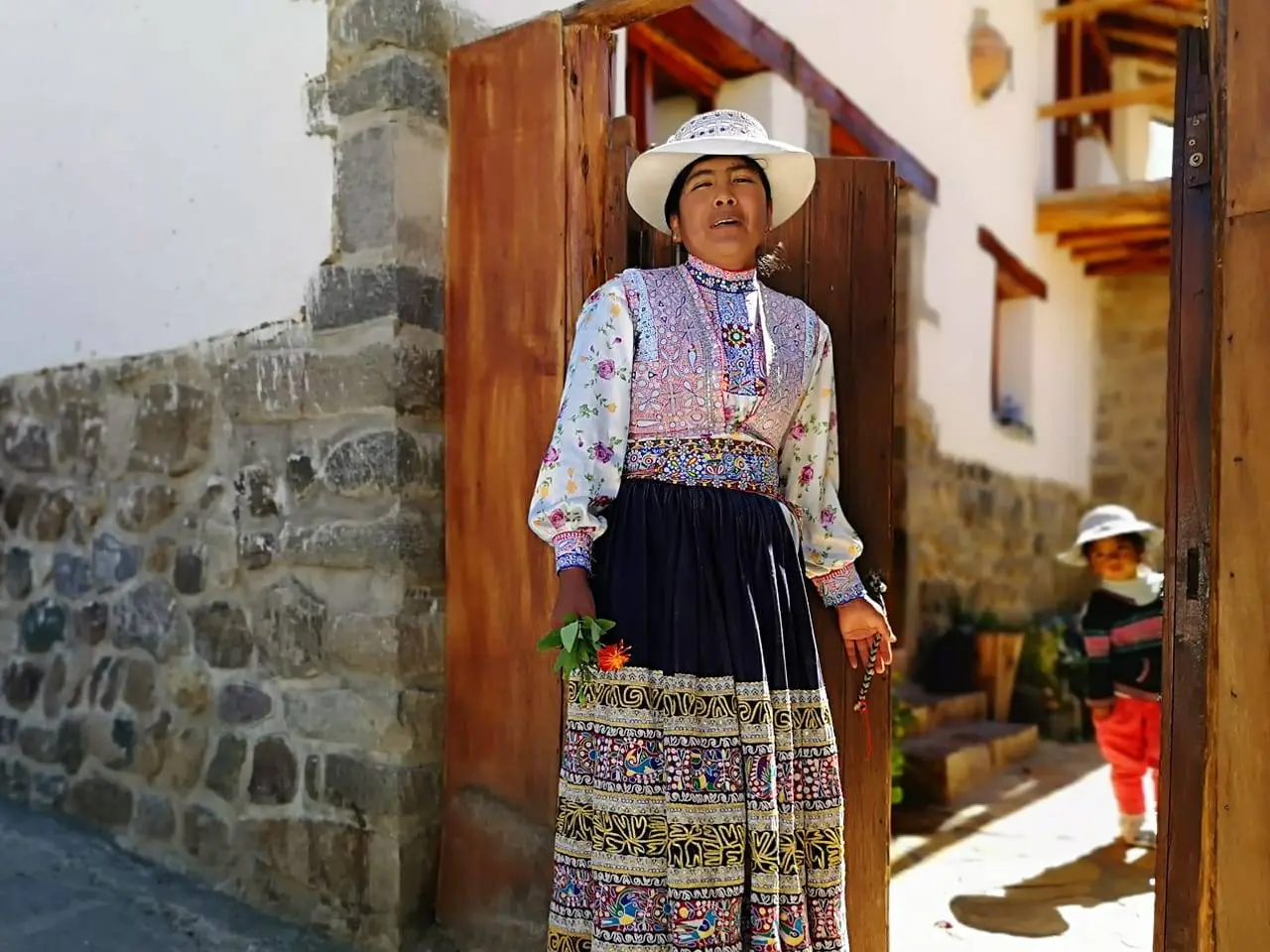
Peru is a country with a highly diverse climate. Many people who decide to travel around the former land of the Incas underestimate this issue. Meanwhile, different conditions prevail in the Peruvian jungle (selva), different on the coast (costa), and yet different in the Andes (sierra). If you are planning a trip to Peru, it's worth knowing a few basic rules that greatly affect traveling in this country.
Time for a Trip to Peru: Beware of the Peruvian Sun!
Regardless of the differences that occur in each of the above regions, there is something that unites these 3 parts of Peru, namely the SUN. The former land of the Incas has a very intense sun, which has thwarted many travel plans, at least for a few days.
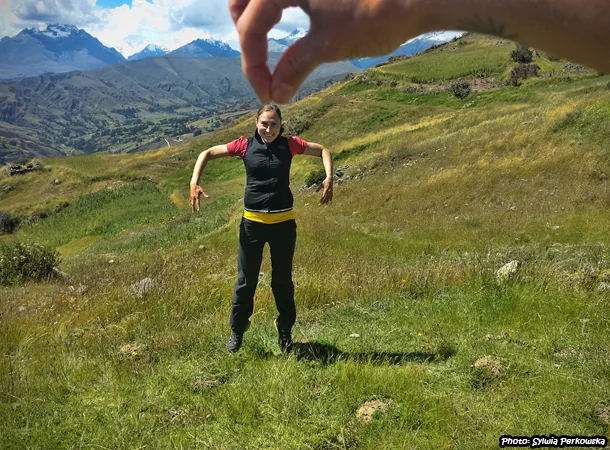
I wrote more about the issue of sun rays and their effect on our body in the article "Sun in Peru! What You Need to Remember?". So here I will only remind you that throughout Peru, sun protection must be taken very seriously. Sunscreen with a high filter, applied very often, e.g., every 2 hours, is in my opinion essential! And don't be fooled by clouds or a little rain. Even behind them hide scorching sun rays that, apart from the tan you may or may not want, significantly weaken our bodies. Speaking of the sun, you also need to think about essential gadgets: very good quality sunglasses, a hat, and constant hydration!
Besides the sun that unites Peru, there are also issues that greatly divide the country. The most striking differences that may affect you during your trip to Peru are all kinds of INSECTS and ALTITUDE SICKNESS.
Insects in the Jungle
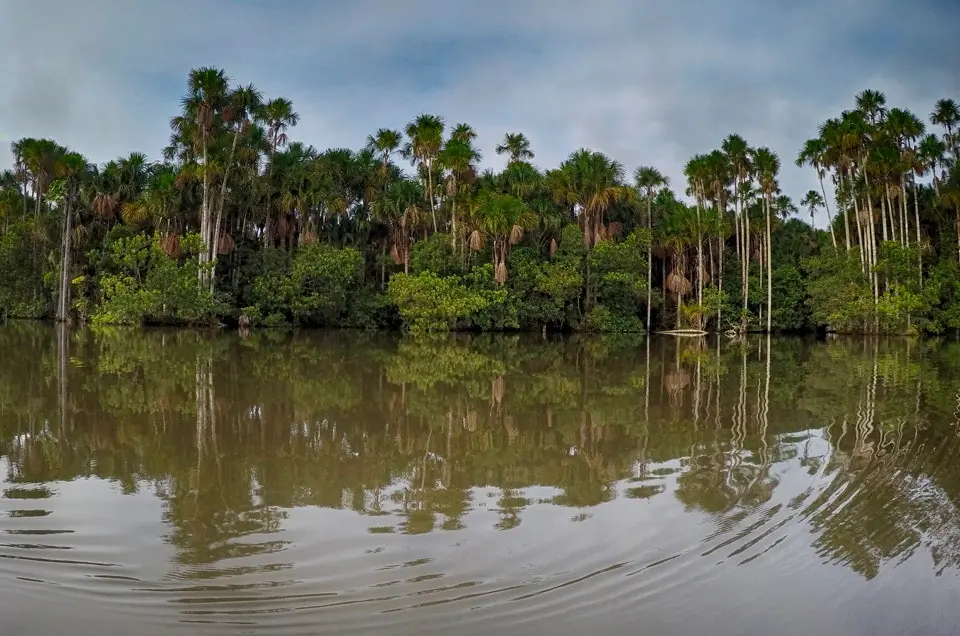
If you plan to venture into the jungle, you absolutely must arm yourself with repellents against all kinds of mosquitoes. There are as many remedies as there are people. Everyone has their own way. Mine, personally tested, is this: long pants, long-sleeved shirts – preferably two layers, and a product called DEET. Only this combination works fairly reliably. Fairly, because avoiding bites is simply impossible. Those sometimes invisible mosquitoes will always find a moment or a part of the body briefly exposed and attack. But if we dress properly and apply repellent, the chances of our jungle enemy are naturally minimized. If someone thinks that applying the repellent alone will solve the problem and they can happily run around in shorts and T-shirts – well, good luck. In my opinion, the repellent alone won't help against Peruvian mosquitoes.

Jungle tour in Puerto Maldonado
Of course, everything also depends on the months you choose to go to the selva. If you plan a trip between October and April, there will be more jungle mosquitoes. So it's better to go to the selva when the invisible enemy is far fewer. Moreover, there are other factors to consider in the fight against various mosquitoes. I found an interesting article on this subject on gazeta.pl
Time for a Trip to Peru: Beware of Altitude Sickness in the Andes
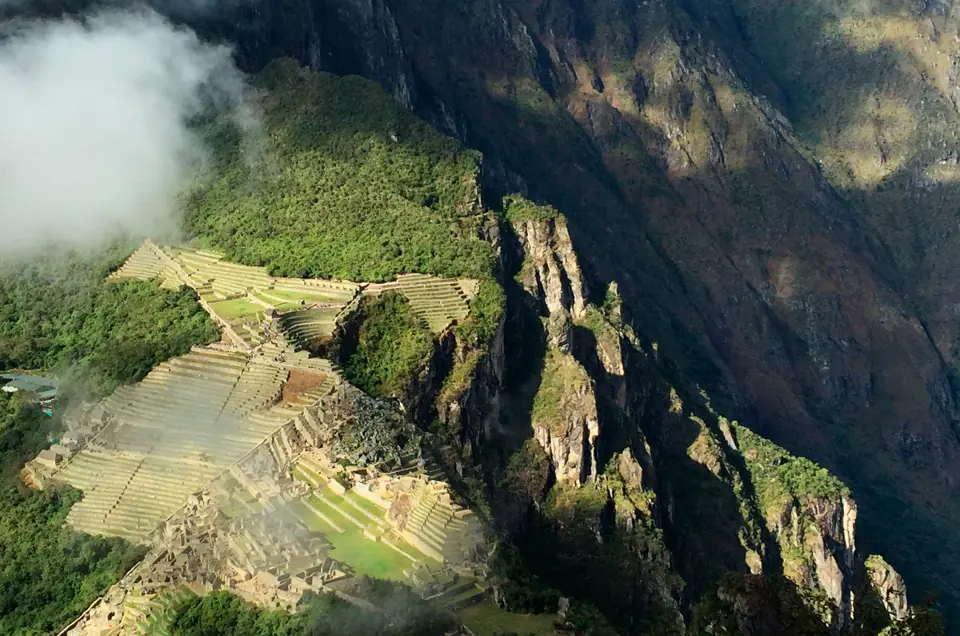
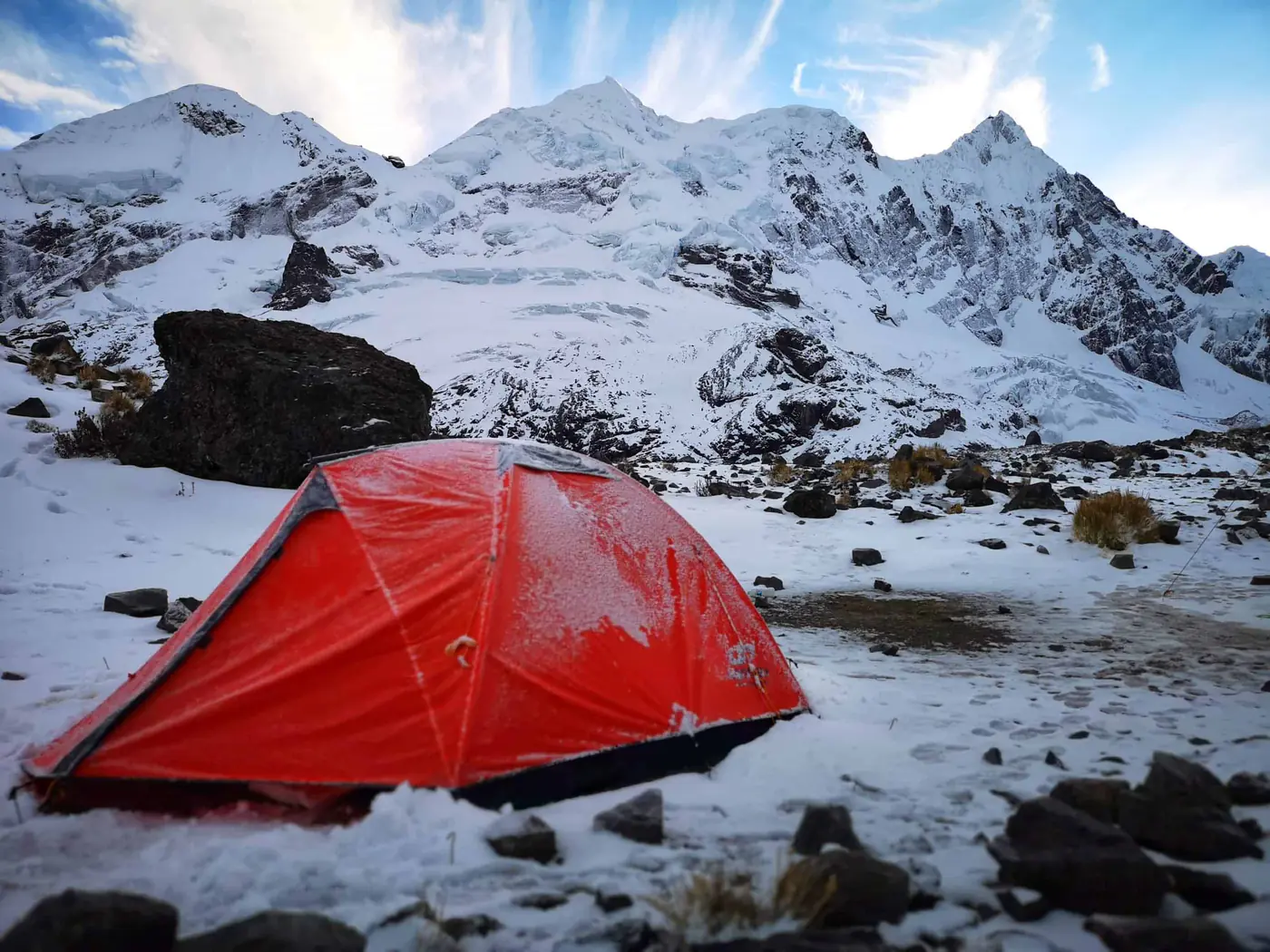
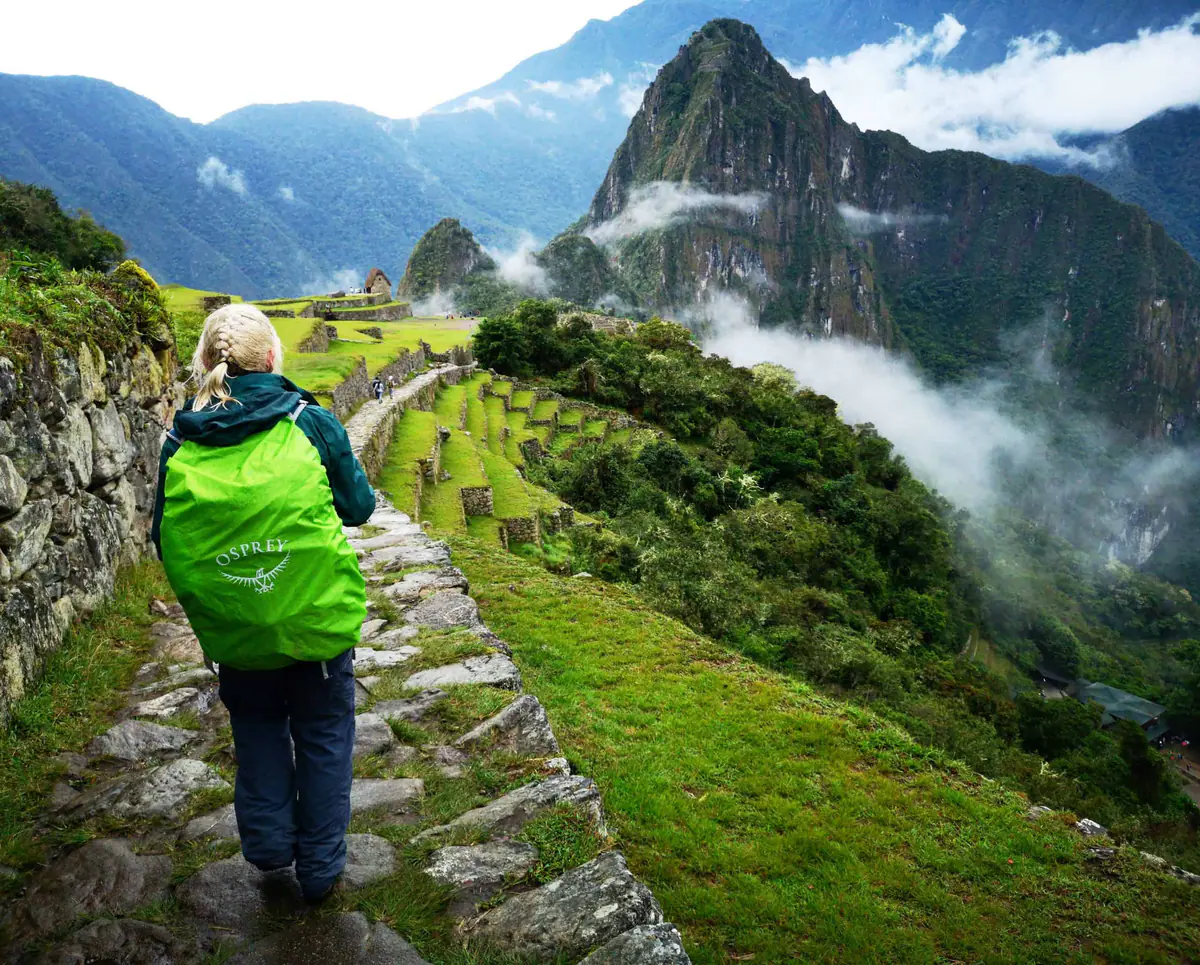
Besides the sun and mosquitoes, there is one more potential threat that can effectively ruin your trip to Peru. Of course, with a little knowledge and preventive measures, the devil is not so scary. I'm talking about so-called ALTITUDE SICKNESS. In the case of Peru, this topic should be considered in almost every instance. Everyone who wants to visit Machu Picchu must first get to Cusco. And that is located at almost 3,400 meters above sea level. The famous ruins from the time of the Inca Empire are not at sea level either. The altitude at which they are located is almost the same as the height of Rysy – the highest mountain in Poland. Machu Picchu lies at 2,400 meters above sea level, which is just under 100 meters lower than our peak. While walking around the Inca ruins, symptoms of altitude sickness occur much less frequently, in the city of Cusco it may be somewhat different. Of course, there is no rule. But one thing is certain. If you have little time for acclimatization and want to spend time actively in the Andes, including Cusco and its entire region, it's worth getting acquainted with Peruvian methods that help either completely protect yourself from the phenomenon of soroche or quickly combat its first signs. Essential information about altitude sickness can be found in the article "Peruvian Ways to Fight Altitude Sickness". And here Altitude Sickness in Peru, or Hello Cusco you can read how to waste a few days of vacation by being too intense and active in the first hours of your stay in Cusco.

Exploring Chinchero and discovering the secrets of the chuño potato
Peru is a country where the day lasts about 12 hours
It may seem like no curiosity, nothing important, and yet... The issue of sunrise and sunset is of great importance when traveling in a new country. The time the sun rises and then sets will determine how much we can see and explore during the day. And traveling is all about exploring and sightseeing well, isn't it?
When planning a trip to Peru, it's worth knowing that the day lasts here as much as, or only, 12 hours (sometimes a bit longer), meaning that's the only time the sun shines. This means more or less that after dark we won't be able to see or explore much. So if we want to see as much as possible and learn as much as possible, we must adapt to the rhythm prevailing in the country we are visiting.
In the case of Peru, this rhythm looks more or less like this: sunrise is around 6 am, and sunset around 6-6:30 pm. And so throughout the year.
Depending on which part of Peru we are in, there may be shifts one way or the other, but only by at least a dozen or so minutes. If someone is not a morning person, well, they may have difficulty exploring Peru on a larger scale. Because it's one thing to start sightseeing or trekking at 9:00 am, and another at 6:00 am. In both cases, you have to finish by 6:00 pm at the latest, before darkness falls, but in the second version, we have about 3 more hours at our disposal. And that's so many additional possibilities and potential kilometers to cover :-).
My suggestion: To see as much as possible, it's worth starting the day in Peru around 5:30 – 6 am and enjoying the beauty of the Peruvian land, then going for a well-deserved rest a bit earlier than is customary in Poland :-). Otherwise, much may be missed.