
You often ask us about altitude sickness, how to protect yourself from high altitudes, and finally, what is the altitude of Cusco above sea level. Below we present a few tips, hoping they will help dispel many doubts.
What are the most common symptoms of altitude sickness in Peru?
The body's reaction to altitude is highly individual. There are no strict rules. The most common symptoms that may appear in the first days of your stay in Cusco (if it's your first high-altitude destination during your trip to Peru) are headaches, fatigue, insomnia, nausea, shortness of breath, and loss of appetite. Not everyone experiences them, but it's worth being prepared that they may occur.
What is the actual altitude of Cusco above sea level?
Cusco is located at an altitude of about 3300–3400 m above sea level, which is much higher than Poland's highest peak, Rysy. Theoretically dizzying heights to which the body may react differently. However, whether and how it will react cannot be predicted. One thing is certain: there's no need to stress or worry in advance, nor to bring a bag of medications to protect yourself from potential effects of being at high altitudes.
How to prepare for a stay at altitude in Cusco?
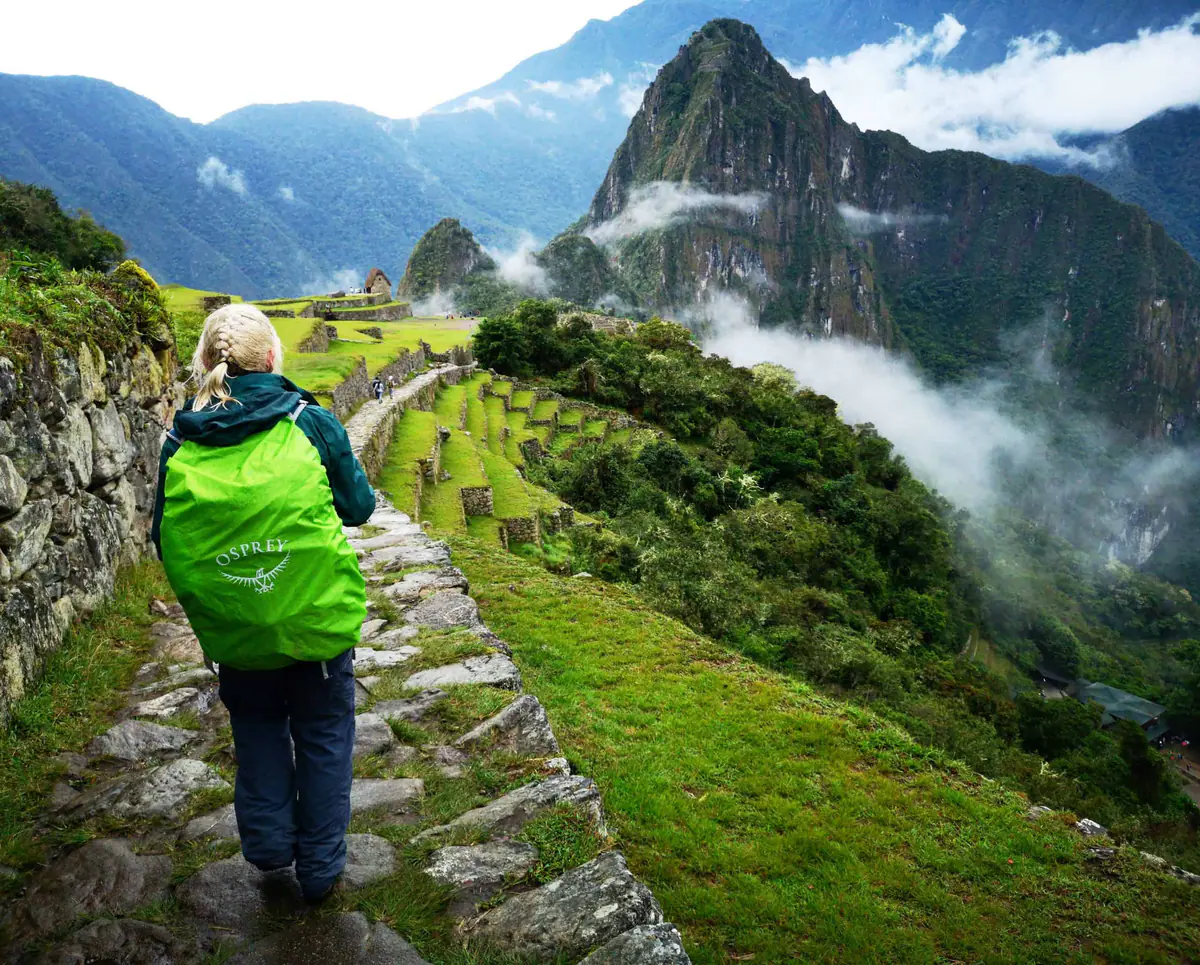
Plan at least 1–2 days of a relaxed stay in place before you set off on a trek or visit Machu Picchu or the Rainbow Mountains.
What helps with acclimatization in Cusco? Tried and tested tips!
After arriving in the former Inca capital, it's worth following a light diet. This will help your body slowly adapt to changes, both climatic and altitude-related. Drink plenty of water, avoid all kinds of stimulants.
On the first day after arriving in Cusco, don't overexert yourself, don't run, don't walk uphill, choose downhill routes. This will greatly help acclimatization. Any uphill walk, from the first hours at altitude, can end with various ailments; better not tempt fate.
The simplest approach is to give your body some time for natural acclimatization. Before you decide to go on a longer trek, spend one or even two nights in Cusco. Your body will have a chance to prepare for more active sightseeing, including in much higher parts of the Andes.
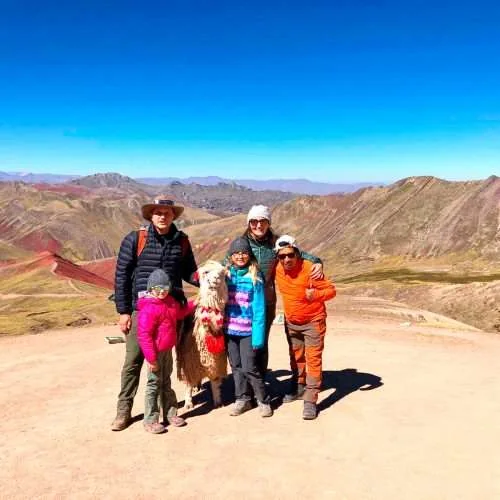
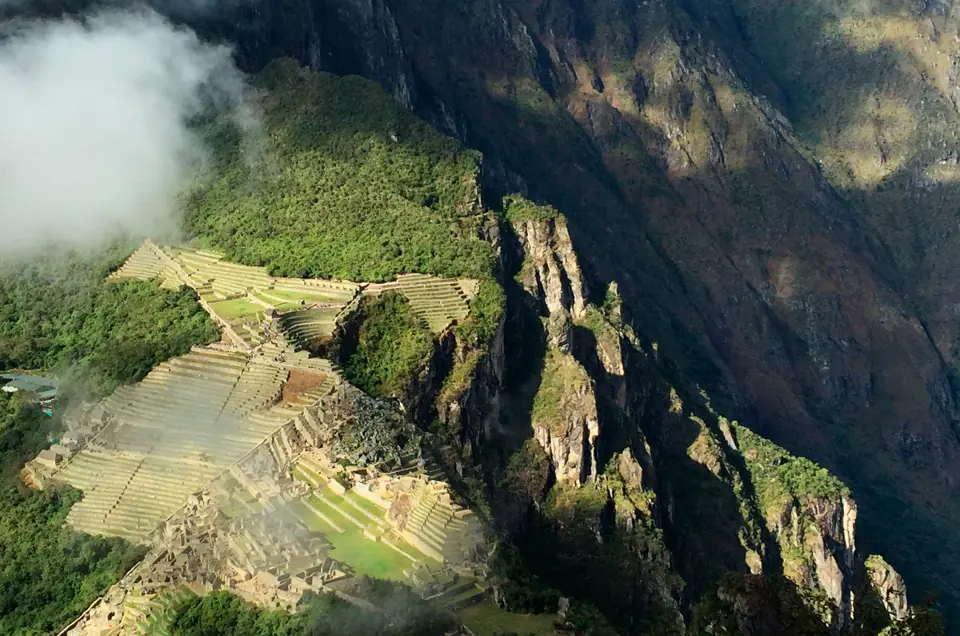
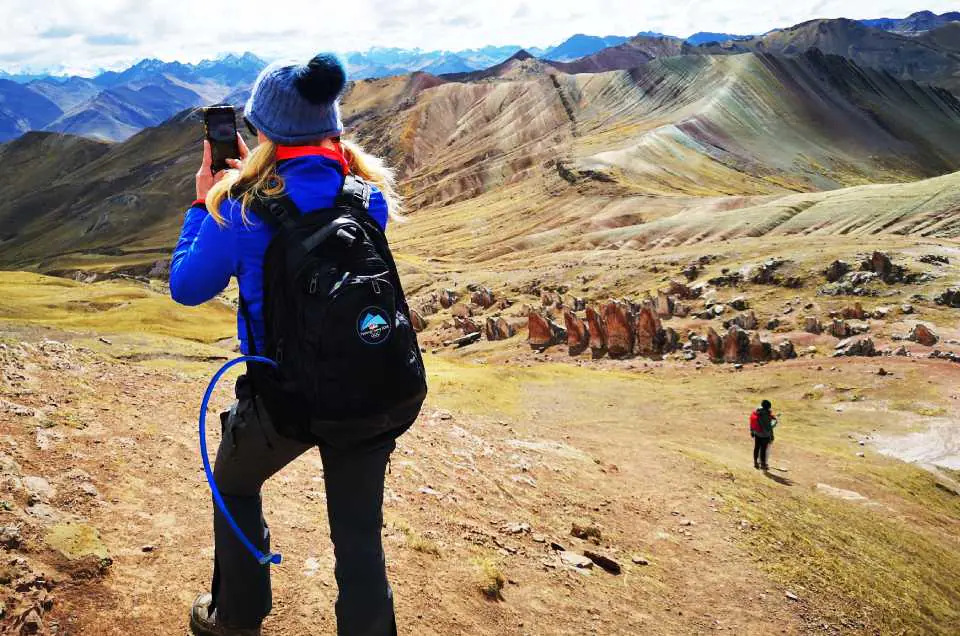
Before, for example, you set off to the Rainbow Mountains, which lie at an altitude of about 5000 m above sea level, take a few shorter trips in lower parts of the mountains, or visit various attractions around Cusco. It would be ideal to plan in advance, among other things, a visit to Machu Picchu. Give your body at least 4-5 days to prepare for the changes. There are many beautiful places, attractions, monuments, and trails at altitudes between 2800 and 4100 m above sea level that are definitely worth seeing before heading to the Rainbow Mountains. A very important factor is also staying calm!
What medications and insurance should you have when traveling to Cusco?
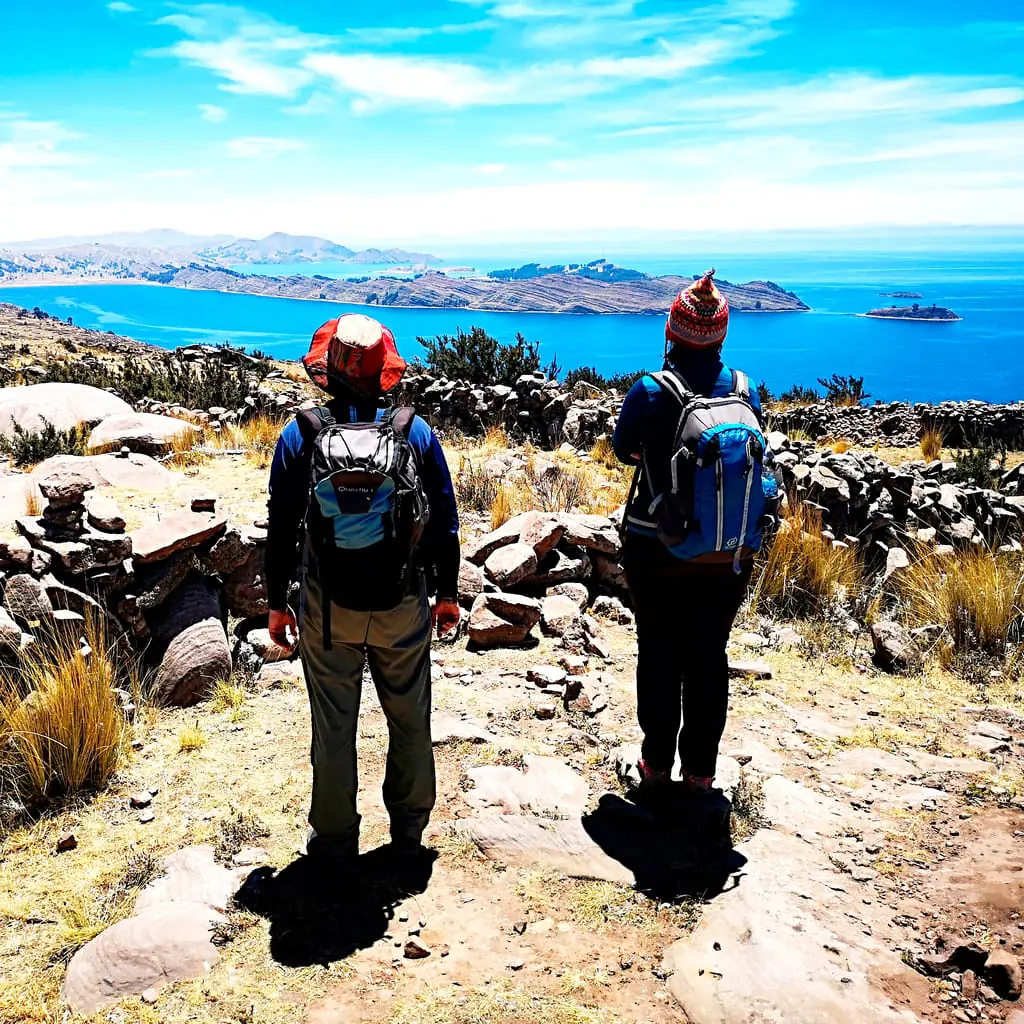
Instead of taking preventive medications, it's worth having good insurance and using local medical care if needed. In Peru, in larger cities like Cusco or Arequipa, there are very good private medical facilities that have contracts with many insurance companies. There is also no problem with access to healthcare near Lake Titicaca, where there are large cities such as Puno or Juliaca.
What other cities in Peru are located at high altitudes?
Besides Cusco, other high-altitude places include Puno (~3825 m above sea level) or Huaraz (~3050 m above sea level). For comparison, the beautiful city of Arequipa (~2335 m above sea level) is located much lower. Reference data on these largest cities are available, among others, here.
How did we cope with the altitude in Cusco? Our experiences
If you want to read about my experiences with altitudes (not the best, but important, because thanks to them I know that not following certain rules doesn't pay off), I invite you to the post here.
Natural ways to deal with altitude problems in Peru – what do locals use?
The most popular remedy is not, as many think, coca leaf tea, but the coca leaves themselves, which should be chewed for an appropriate amount of time. We wrote about this, among others, here – we recommend it!
Remember, the altitude of Cusco above sea level frightens many. One thing is certain: arriving in Cusco with a negative attitude or fear won't make anything easier. So, if you decide to vacation in the Andes, don't be afraid, don't stress, don't panic; instead, simply allow yourself to discover Peru and its world. Calmly observe how your body gets used to what is new and unknown. Climatic and altitude changes are an inseparable part of any trip to Peru. It's worth considering these differences in positive terms, as something interesting and intriguing. Good luck!