Frequently Asked Questions
About Traveling in Peru (FAQ)
Honest, firsthand practical guidance from Sylwia Perkowska—bespoke itinerary author living in Cusco for over a decade. Find answers below or message Sylwia directly.
Before You Travel to Peru
Visas, safety, best months to visit, flights, travel insurance and packing
?Do I need a visa to visit Peru?
Citizens of the United States, Canada, the United Kingdom, the European Union, Australia, and New Zealand do not require a tourist visa for stays up to 90 days.
You must ensure your passport has at least 6 months of validity remaining from your date of entry into Peru.
?What is the best month of the year to travel to Peru?
Because Peru has three distinct geographical regions—the coast, the Andes, and the Amazon—the ideal time depends on what you want to experience:
- The Andes & Cusco (Machu Picchu, Sacred Valley, Lake Titicaca): The dry season runs from May to October with crisp, sunny days and cool nights. April and October are excellent shoulder months with fewer visitors.
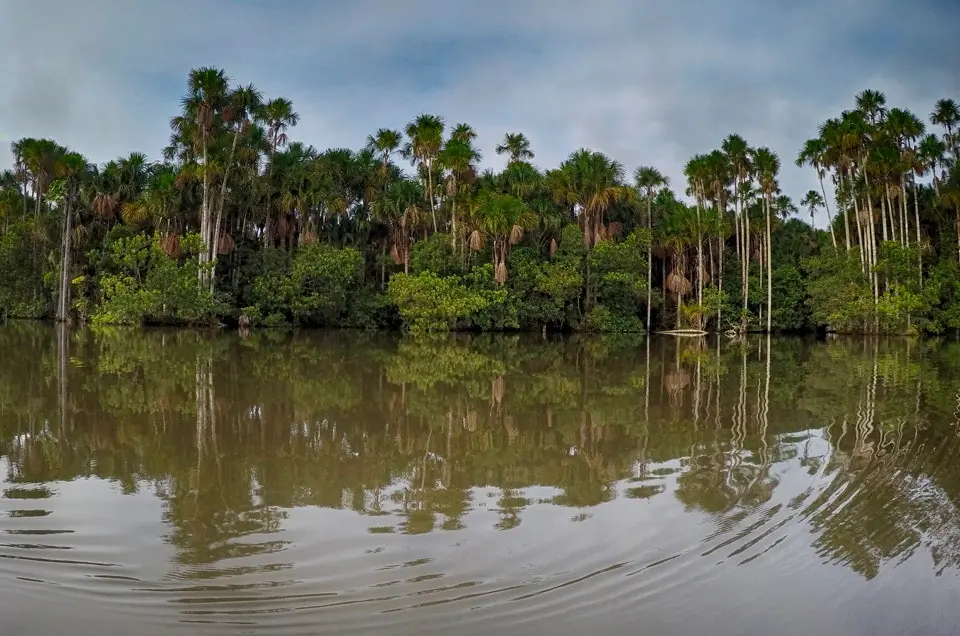
- The Amazon Rainforest: Warm and lush year-round. Drier hiking conditions prevail from June to October; river navigation is easier with higher waters from December to May.
- The Coast (Lima, Paracas): Warmest and sunniest from December to April.
?Is Peru safe for international travelers?
Yes, Peru is safe for international travelers when exercising standard precautions. Tourist areas in Cusco, the Sacred Valley, and Lima (Miraflores, Barranco) are well-patrolled and welcoming.
Key safety recommendations:
- Avoid walking alone late at night in unfamiliar or peripheral neighborhoods.
- Keep cash and valuable electronics discreet in crowded markets.
- Always carry a copy of your passport while keeping your original locked in your hotel safe unless required for flights, trains, or Machu Picchu checkpoints.
- Use recommended transport companies and taxis rather than informal street cabs. With Sylwia Travel, transfers are private with vetted drivers.
?Is travel insurance necessary for traveling in Peru?
Travel insurance is strongly recommended for any trip to Peru. When selecting an insurance policy, ensure it covers:
- Emergency medical expenses of at least ,000 USD.
- Activities at high altitude (above 2,500–5,000 meters above sea level) if you are visiting Cusco, Lake Titicaca, or hiking the Andes.
- Medical repatriation and emergency evacuation.
- Trip delays, baggage loss, or unexpected flight cancellations.
?How can I find affordable flights to Peru?
All long-haul international flights arrive at Lima Airport (LIM). We recommend booking transatlantic or continental flights 3 to 6 months ahead to secure the best rates.
For domestic connections (such as Lima to Cusco, Arequipa, or Puerto Maldonado), we strongly recommend flying with LATAM Peru for the highest flight frequency and reliable schedule adherence.
?Is Peru a good destination for a family trip with children?
Yes! Peru offers extraordinary experiences for families and children of all ages. To ensure a smooth family trip:
- We build gentle acclimatization itineraries, staying first in the lower, warmer Sacred Valley (2,870 m) before sleeping in high Cusco (3,400 m).
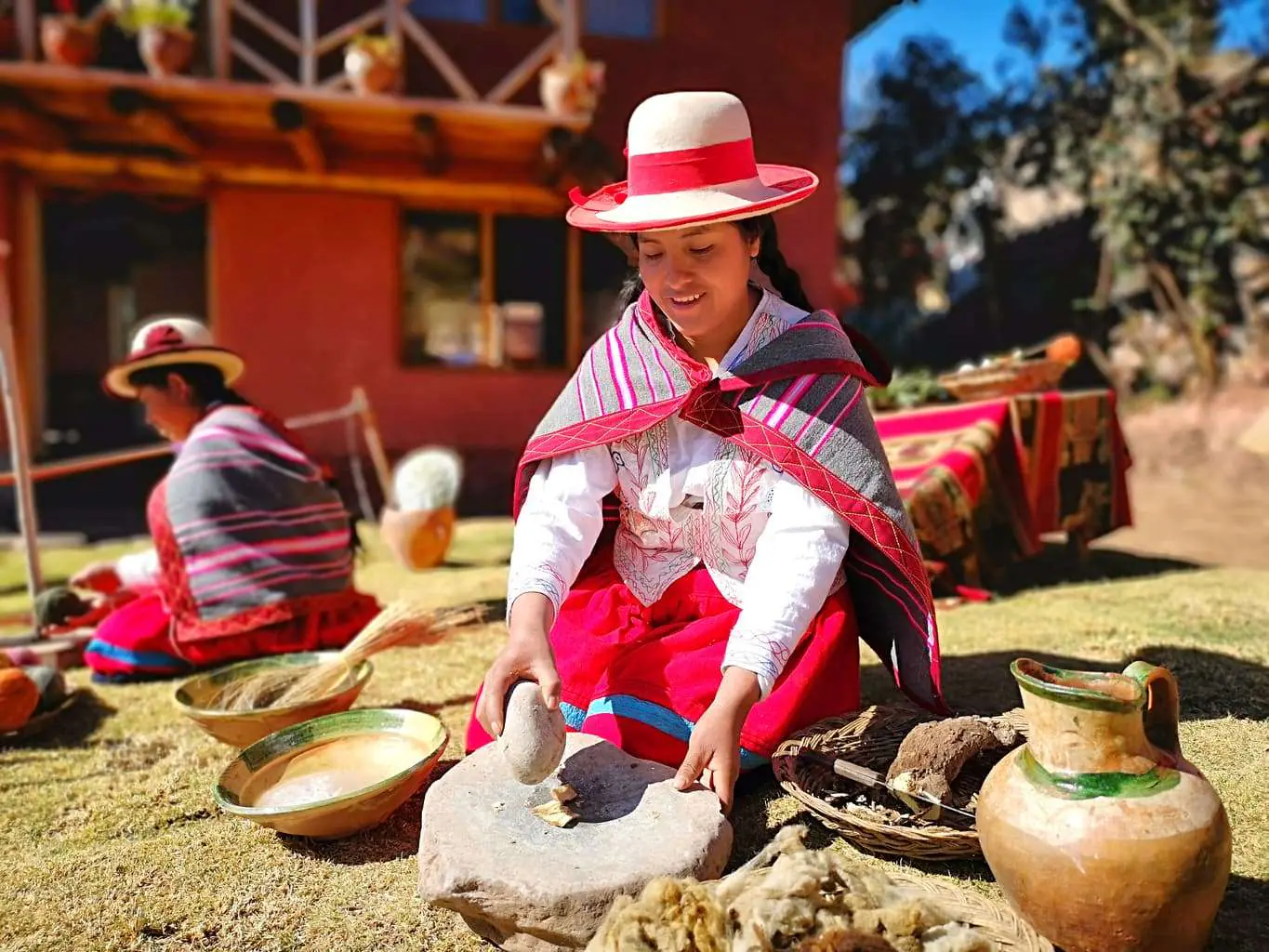
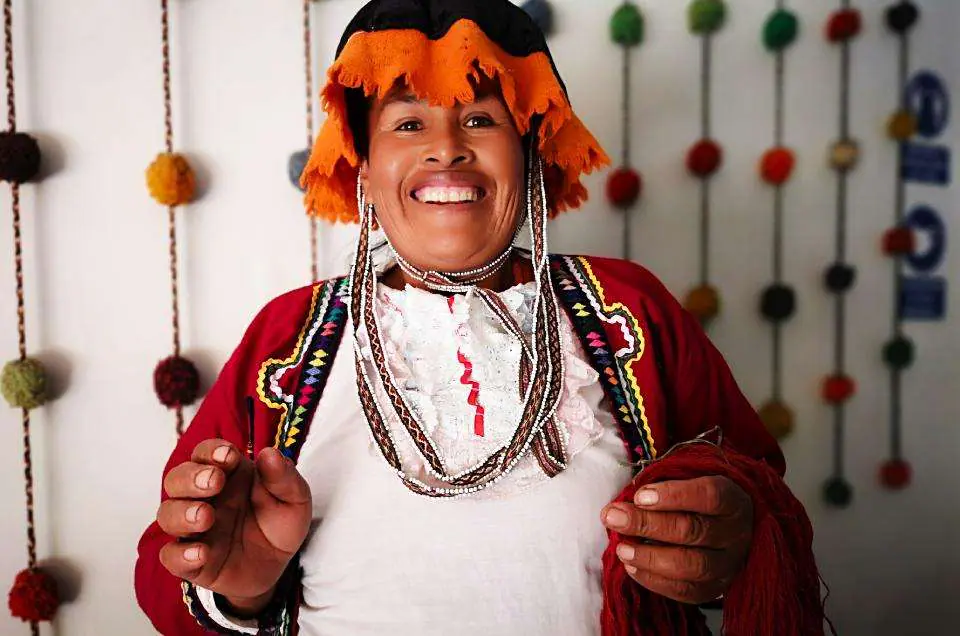
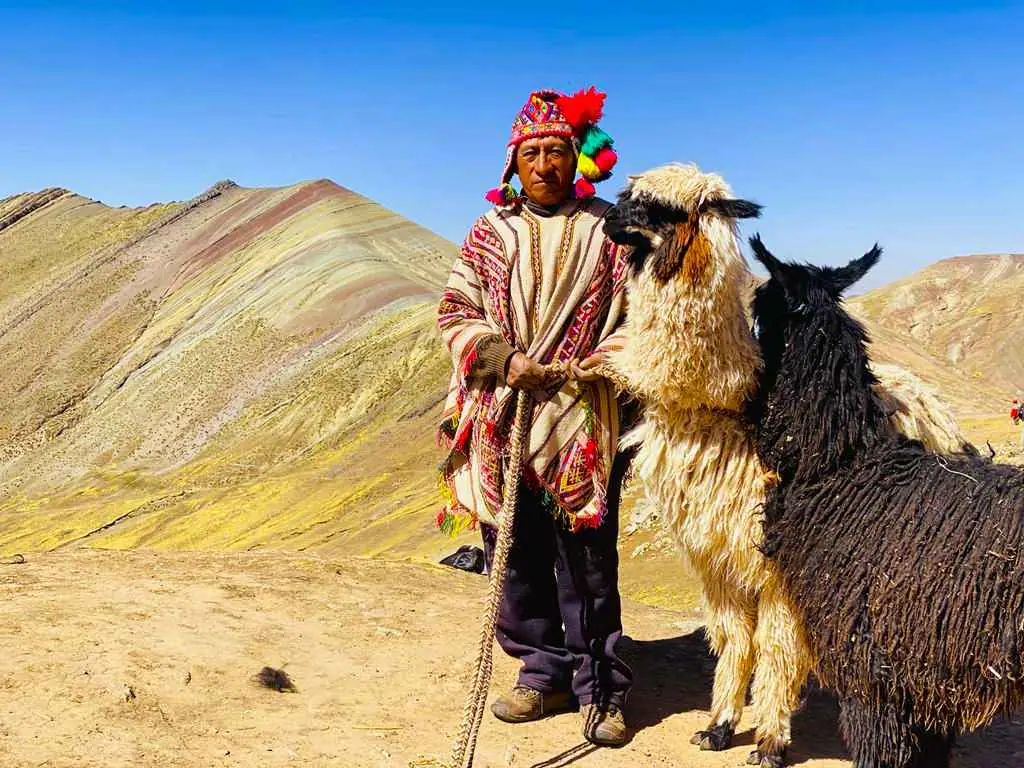
- We include hands-on cultural encounters: visiting alpaca breeding sanctuaries, traditional textile weaving demonstrations, and pottery workshops.
- Our private vehicles allow flexible rest breaks and a relaxed pace tailored to your children.
?What languages are spoken in Peru and how will I communicate?
Spanish is Peru’s primary official language. In the Andean sierra, Quechua and Aymara are widely spoken by local communities.
While English is spoken in international hotels and upscale dining venues in Lima and Cusco, learning a few courteous Spanish words (Por favor, Gracias, Buenos días) is always appreciated. On all Sylwia Travel private itineraries, your private guide is fully bilingual (English / Spanish) and accompanies you seamlessly.
Money, Costs & Practical Logistics
Currency exchange, ATMs, credit cards, internet, food prices and everyday services
?What currency is used in Peru and how should I manage money?
The official currency is the Peruvian Sol (PEN). US Dollars are also accepted for many large tourism services, but daily transactions are done in Soles.
Key advice for managing money:
- Bring US Dollars or Euros in pristine condition. Banknotes with small tears, stamps, or heavy folds may be rejected by local exchange offices.
- Exchange only a minimal amount (–) at Lima airport; wait to exchange the bulk in trusted Casas de Cambio in Miraflores (Lima) or around the Plaza de Armas in Cusco for much better rates.
?How do ATMs work in Peru and what are the withdrawal limits?
ATMs connected to Visa and Mastercard networks are widely accessible across Peruvian cities. Key practical points:
- Reliable bank ATMs include BCP, BBVA, Interbank, and Scotiabank. Prefer ATMs located inside official bank branches during business hours.
- Most machines allow cash withdrawals in either Peruvian Soles or US Dollars.
- Notify your home bank before traveling to prevent international fraud blocks on your debit or credit cards.
?How much does food cost in Peru?
Peruvian cuisine is celebrated worldwide, and you can enjoy exquisite flavors across all price points:
- Casual local eateries: 15–30 PEN (– USD) for a fresh soup, main dish, and beverage.
- Boutique & mid-range restaurants in Cusco / Sacred Valley: 60–120 PEN (– USD) for gourmet Andean trout, lomo saltado, or quinotto.
- Fine dining in Lima: –+ USD per person at world top-ranked tasting menu restaurants.
?Is internet and Wi-Fi readily available throughout Peru?
Wi-Fi is ubiquitous in hotels, restaurants, and cafes across Peruvian cities. For continuous connectivity on the go:
- You can activate a travel eSIM (Airalo, Holafly) before departure, or buy a local prepaid SIM from Claro or Movistar in Lima or Cusco.
- Cellular coverage is strong along major highways and valleys, but will naturally fade during high mountain treks (like Ausangate or deep Salkantay) and remote Amazon jungle lodges.
?Where can I do laundry during my trip?
Laundry in Peru is remarkably easy and inexpensive. In Cusco and Arequipa, dozens of local lavanderías wash, dry, and fold your clothes for roughly 5–10 Soles per kilo. Turnaround is typically within the same day or overnight.
?Can I easily purchase toiletries and hygiene products locally?
Pharmacies (InkaFarma, MiFarma) and grocery stores are everywhere in Peruvian towns. Sunscreen, bug spray, wet wipes, and toiletries are readily available at normal prices. You only need to bring specialized hiking gear, broken-in footwear, and personal prescription medicine.
Health, Altitude & In-Country Travel
Altitude sickness (soroche), medical acclimatization, vaccinations, and Machu Picchu logistics
?How does Sylwia Travel prevent and handle altitude sickness (soroche)?
Proper acclimatization is the key to enjoying the Peruvian Andes. Sylwia Travel applies a proven medical altitude acclimatization protocol:
- Smart Altitude Pacing: Upon landing at Cusco airport, our private transport takes you directly down to the Sacred Valley of the Incas (2,870 m), where the air is warmer and richer in oxygen. You acclimatize comfortably before moving to high Cusco (3,400 m).
- Hydration & Nutrition: Drink plenty of water and electrolytes. Eat light Andean soups and grains during the first 48 hours; avoid heavy meats and alcohol initially.
- Natural & Medical Aids: Coca and muña leaf teas are mild, natural vasodilators consumed by locals for centuries. You can also consult your doctor before traveling regarding Acetazolamide (Diamox).
- Emergency Readiness: Our private transfer vehicles and guides carry first aid kits, pulse oximeters, and emergency supplemental oxygen canisters.
?Are any vaccinations mandatory to enter Peru?
No specific vaccines are legally compulsory to enter Peru. However, international medical authorities recommend:
- Standard travel boosters: Hepatitis A, Tetanus-Diphtheria, and Typhoid.
- Yellow Fever: Recommended if you visit the Amazon rainforest (Puerto Maldonado, Tambopata, Iquitos). Not required if you stay exclusively in coastal and highland Andean regions (Lima, Cusco, Sacred Valley, Lake Titicaca).
- Consult your local travel health clinic or personal physician 4 to 6 weeks before your departure.
?How do you get to Machu Picchu and how are permits managed?
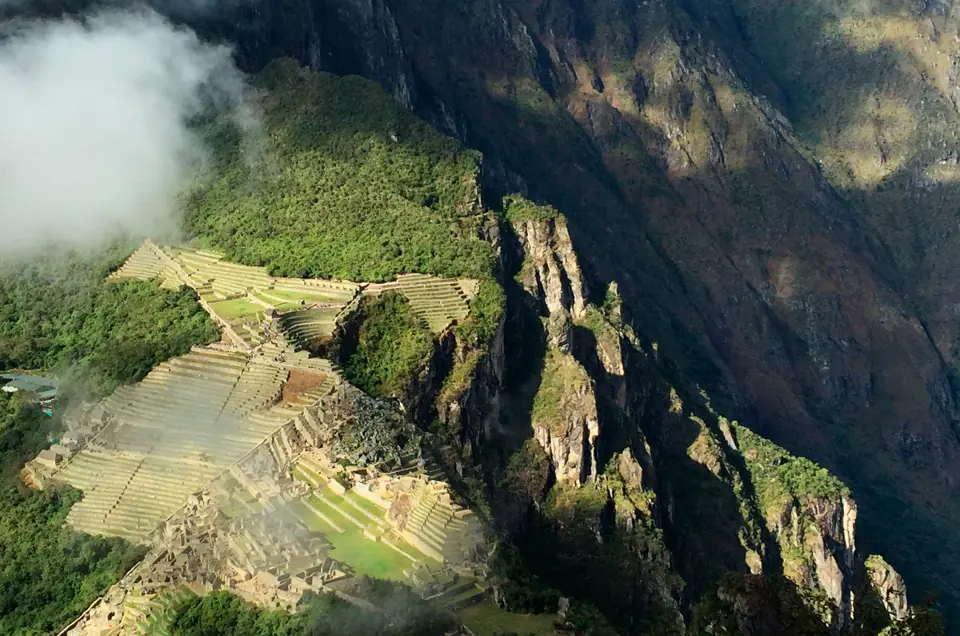
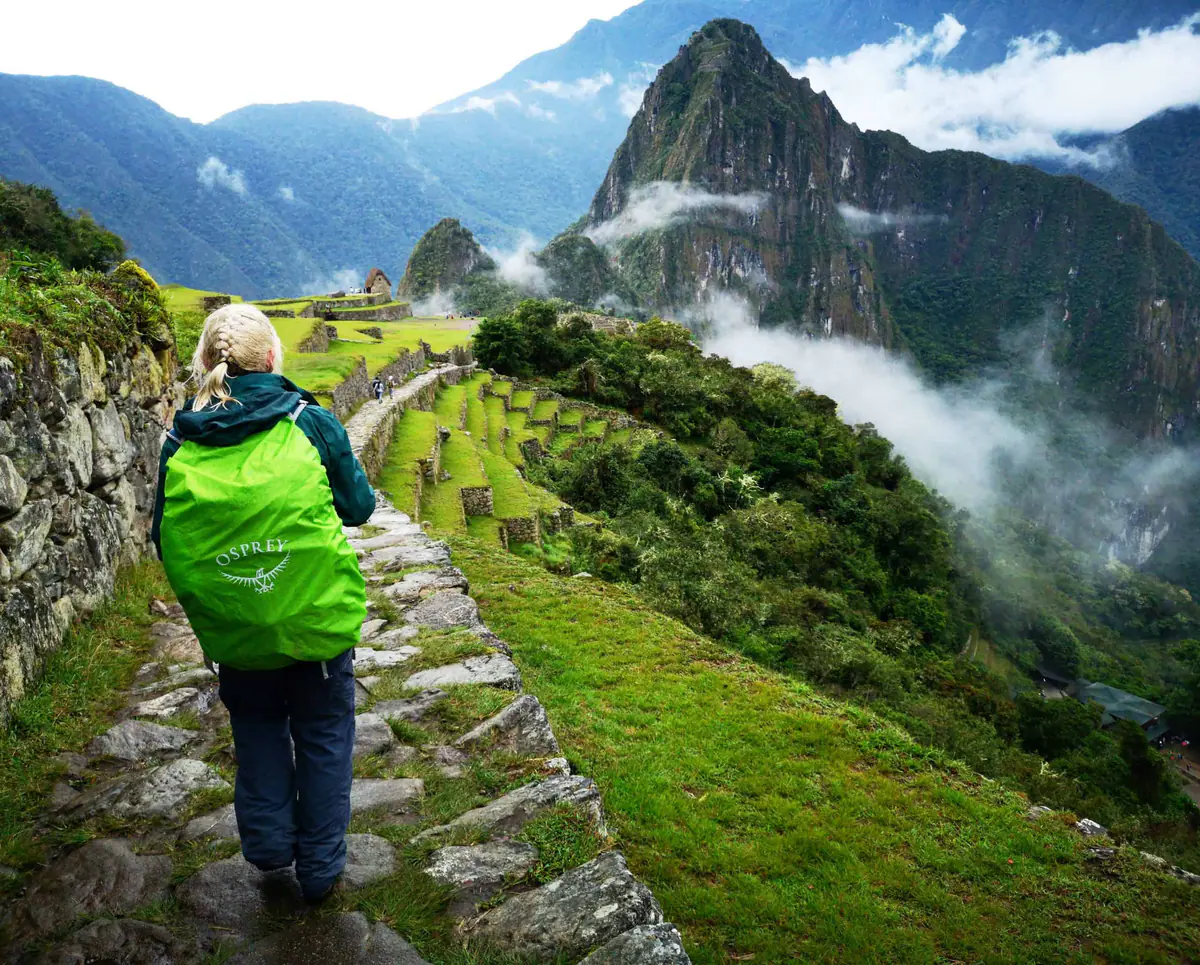
Machu Picchu sits perched between the Andean peaks and the upper cloud forest. The typical journey consists of:
- Scenic train ride from Ollantaytambo in the Sacred Valley to Aguas Calientes along the Urubamba River.
- Official shuttle bus up the mountain to the sanctuary gate (approx. 25 minutes).
- Guided exploration through your designated circuit with a private expert guide.
Important: Government regulations strictly limit daily entrance quotas. Sylwia Travel guarantees and secures your verified circuits well ahead of time.
?Are domestic flights in Peru prone to delays?
Because Cusco airport is nestled in an Andean valley surrounded by high peaks, flights are visually monitored and occasionally subject to weather adjustments when mountain winds or heavy rains occur. To minimize risk, Sylwia Travel books early-morning flight slots when weather conditions in the Andes are clearest, and avoids tight same-day international connections.
We couldn't find a question matching your search
Ask Sylwia directly—living locally in Cusco, she will gladly answer any specific detail about your journey.
Ask Sylwia on WhatsApp (+48 660 464 562)Have a question not listed in our FAQ?
Every trip we design is 100% tailor-made. If you are wondering about specific trail pacing, altitude acclimatization, scenic train departures, or traveling with family, connect directly with Sylwia.