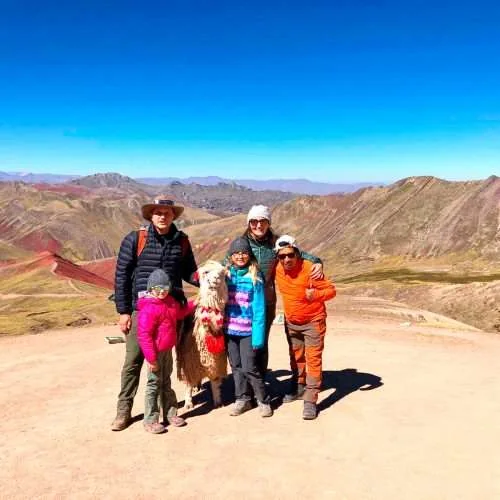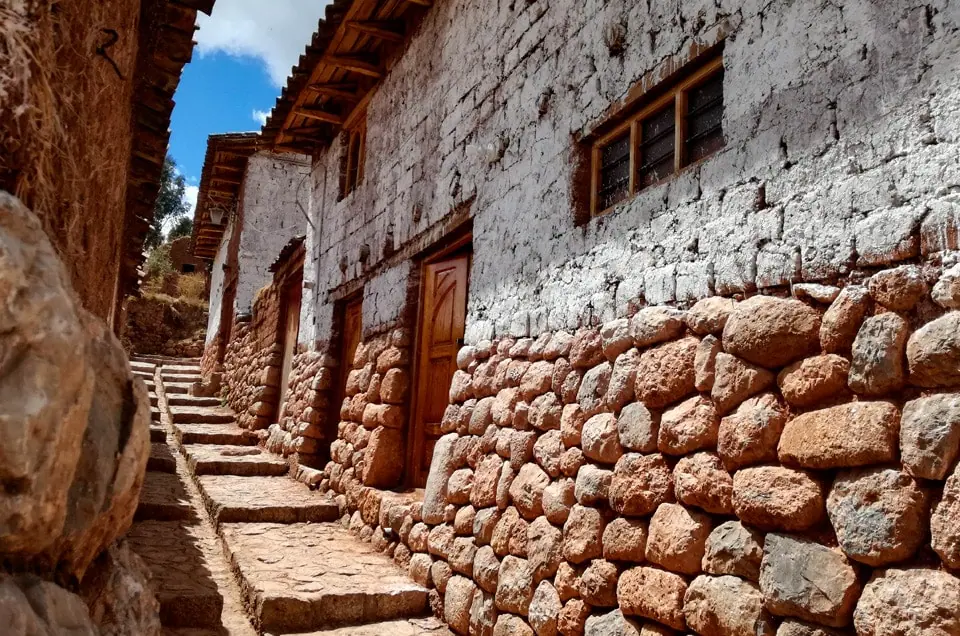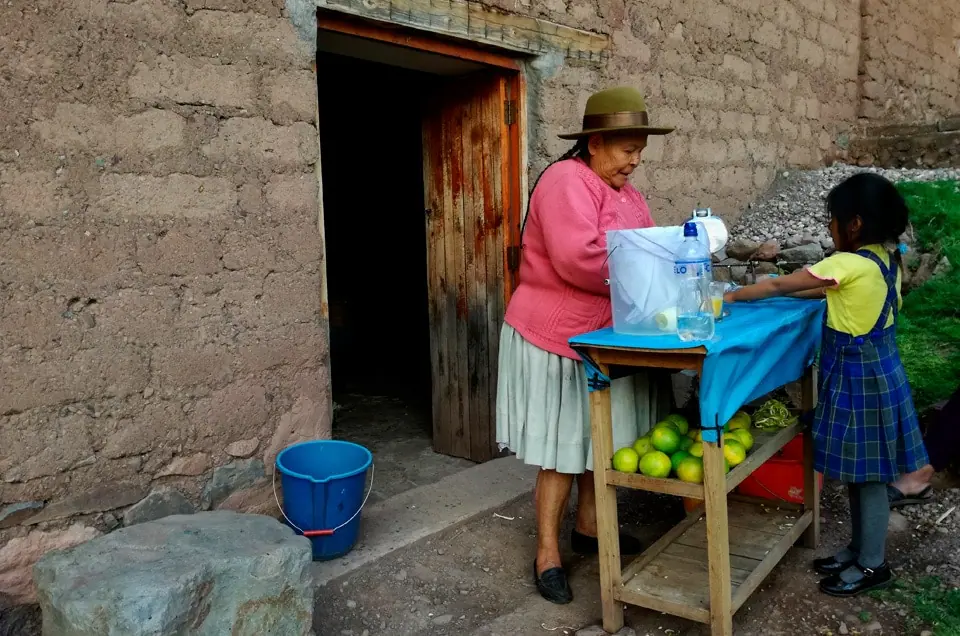
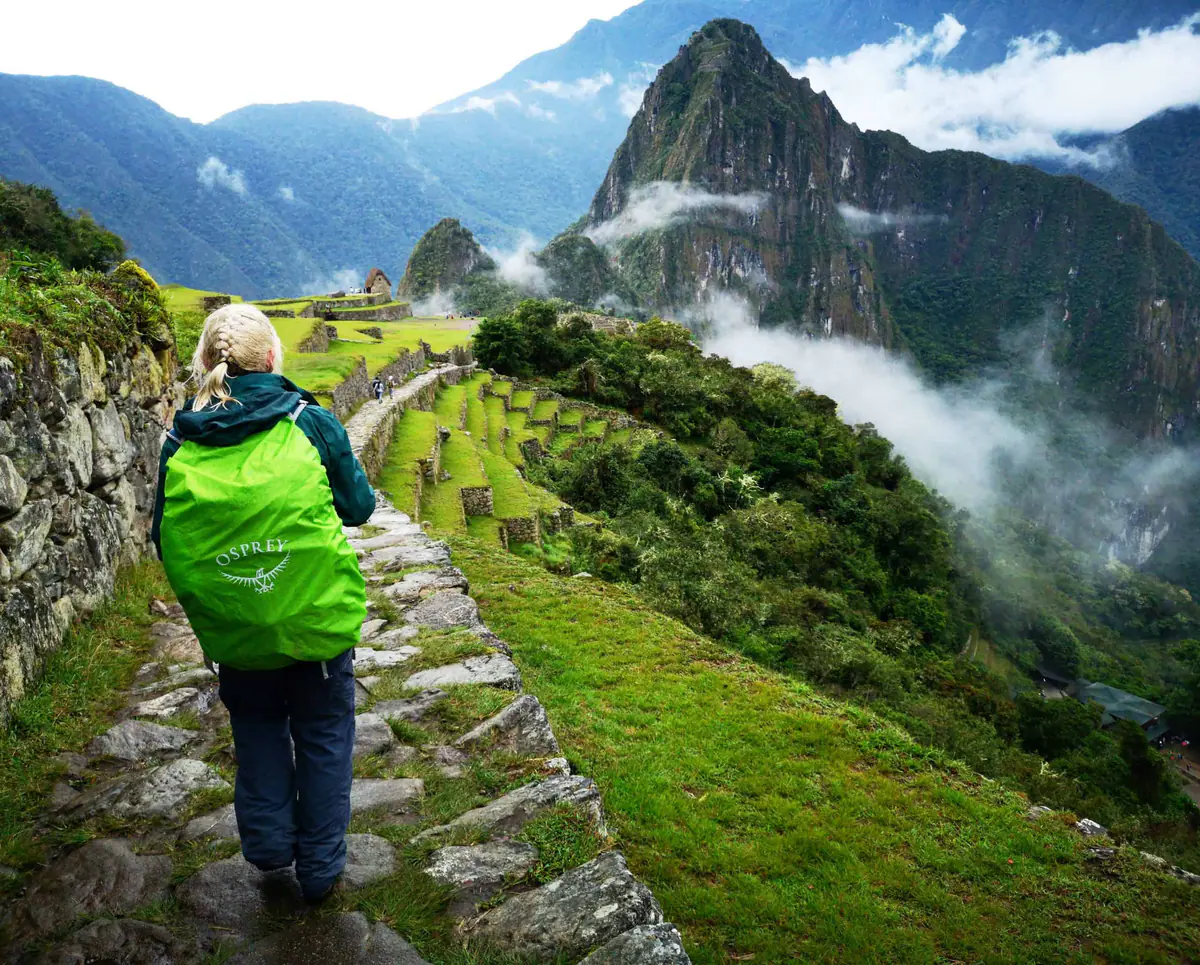
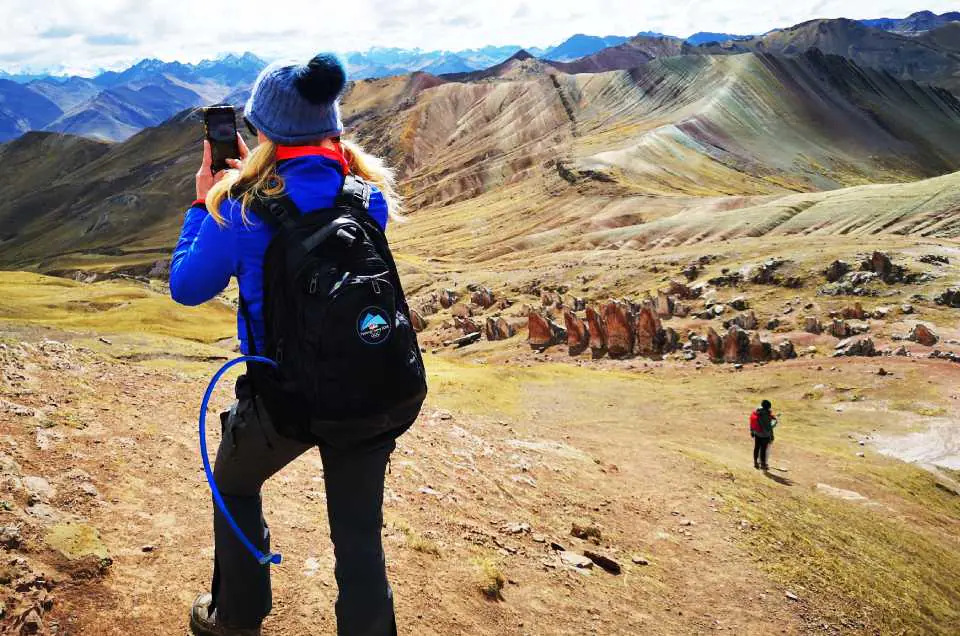
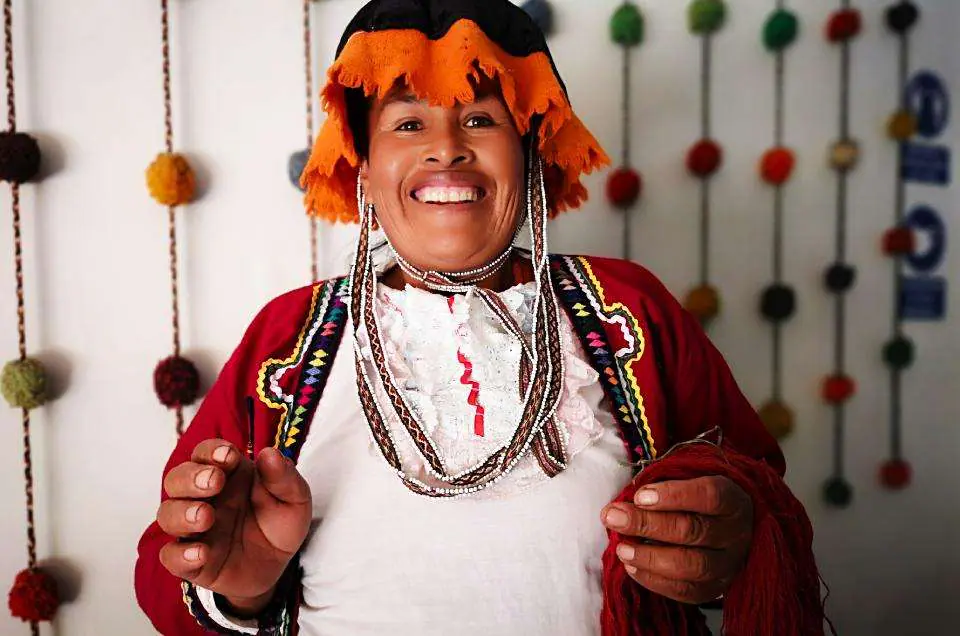
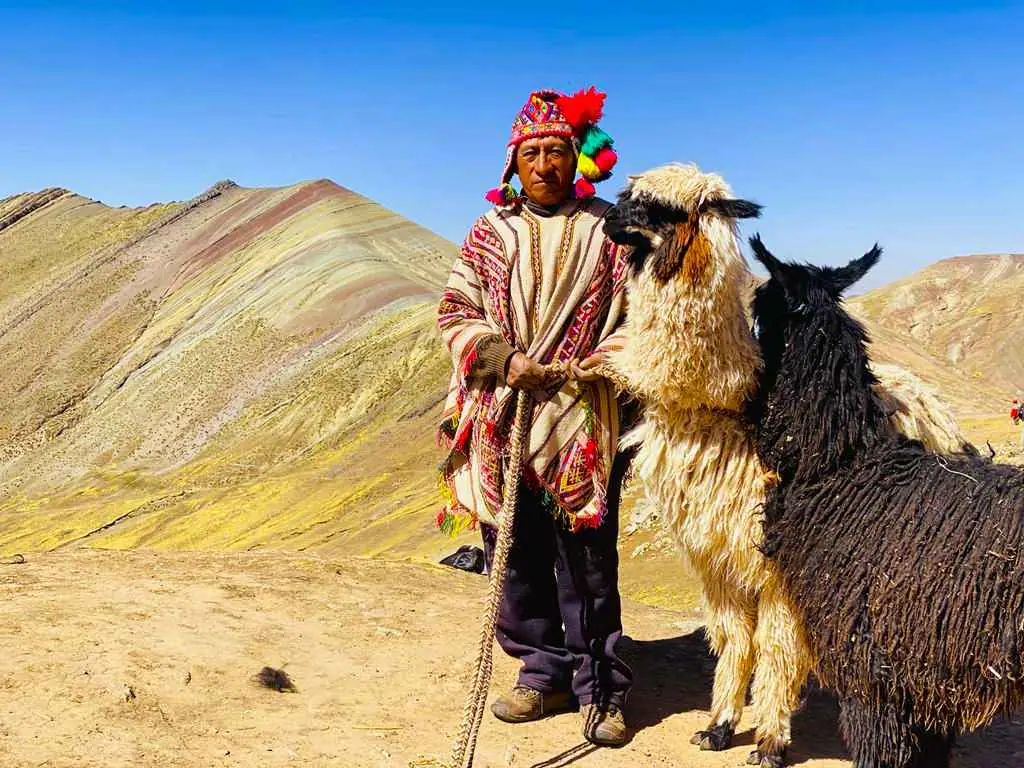
Peru is a country with a different culture and rules, not always similar to Polish, or more broadly European, or those that generally prevail in the country of residence of travelers. You have to be prepared for differences, including those that are sometimes difficult to understand and accept! Peru is a country that governs itself by its own rules, and you must be very positively prepared for all differences when choosing this destination. Simply put, the only right attitude is to accept them calmly, rather than trying to change, negate, or criticize. Such an attitude will allow you to understand that somewhere on the other side of the world, one can function completely differently, with different rules than those you know from your own backyard. Read on to find out what might surprise you in Peru on your very first day!
What might surprise you in Peru!
In Peru, the so-called "mañana" principle generally prevails, which is associated with, among other things, delays. Someone who likes to have everything done "yesterday," who can't stand lateness, must switch gears in a second, otherwise they'll go crazy in the former land of the Incas ? And after all, that's not why they set out to conquer the world and enjoy their dream vacation. Sometimes you'll have to wait a few minutes for a service, sometimes a dozen or so. It could be longer. Theoretically, you could get angry, but no one is forcing anyone to come to Peru. However, once you're here, you simply have to accept the fact that everything in this country flows more slowly, more loosely, including the concept of time and the eventual fulfillment of anything at agreed times.
Traveling through Peru, you'll notice that not everywhere is as clean as in highly developed countries, so you need to be positively open to this difference and simply not stress about it. The issue of cleanliness and order is understood here differently than in Europe, for example, and deviates significantly from our standards!
Ubiquitous noise and accommodation standards may also surprise you
In many cities, there is a lot of noise, primarily due to cars, while in villages due to, among other things, donkeys, dogs, or roosters (generally due to animals living in the area) – you need to be prepared for that. In many hostels and even hotels, you will always hear various sounds and noises during the night. The only sensible advice is earplugs; there's certainly no point in getting angry about it. And what is this due to, among other things? The construction of buildings, the window systems installed here, and the doors. In most houses in Peru (as well as in hotels/hostels), windows are not airtight; they are usually single-glazed, of a much lower category than windows in developed countries, so you hear all sounds much more. The same applies to doors; they are rarely without gaps, forget about any soundproofing system. Such innovations are slowly beginning to appear, but for now, they are luxuries available only in some better hotels.
The quality of services in Peru, especially hotels, local transport, and many restaurants, is different – usually lower than in many other countries, the so-called highly developed countries. For example, a hotel that has three stars in Peru will often be considered by a European as a hotel with a maximum of two stars. Often, what is a luxury for a Peruvian will mean at most an average standard for a traveler.
In any type of hostel or hotel, a situation may arise where there is no hot water or no internet – failures of these and other utilities do occur – such situations cannot be ruled out in Peru. In Peru, generally not all hostels have internet; sometimes it's only in name. The further you are from major cities like Lima, Cusco, Puno, Arequipa, the harder it is to get a stable internet signal.
It should be remembered that in Peru, in many hostels – mainly the cheapest ones – water is heated by an electric system, not gas, which may mean that the water heats up less and comes out in a small stream. In private homes, as well as in hostels and most hotels up to 3 stars, there is no heating (no radiators), so for example in the Andes, at altitudes above 3000 m above sea level, where every tourist spends at least a few days, it is very cold in the evening, at night, and in the morning.
Strikes are something to be especially careful about when traveling in Peru
In Peru, at most every few months, there are strikes and protests lasting from one to several/dozen days, which can thwart travel plans. Strikers like to target tourists, hoping that then someone will listen to them. Tourism in Peru plays a huge role, hence in the event of a dispute between citizen and state, this sector is used. The traveler usually loses out, and unfortunately, nothing can be done about it ☹
Traveling to Peru also means different climatic and weather conditions
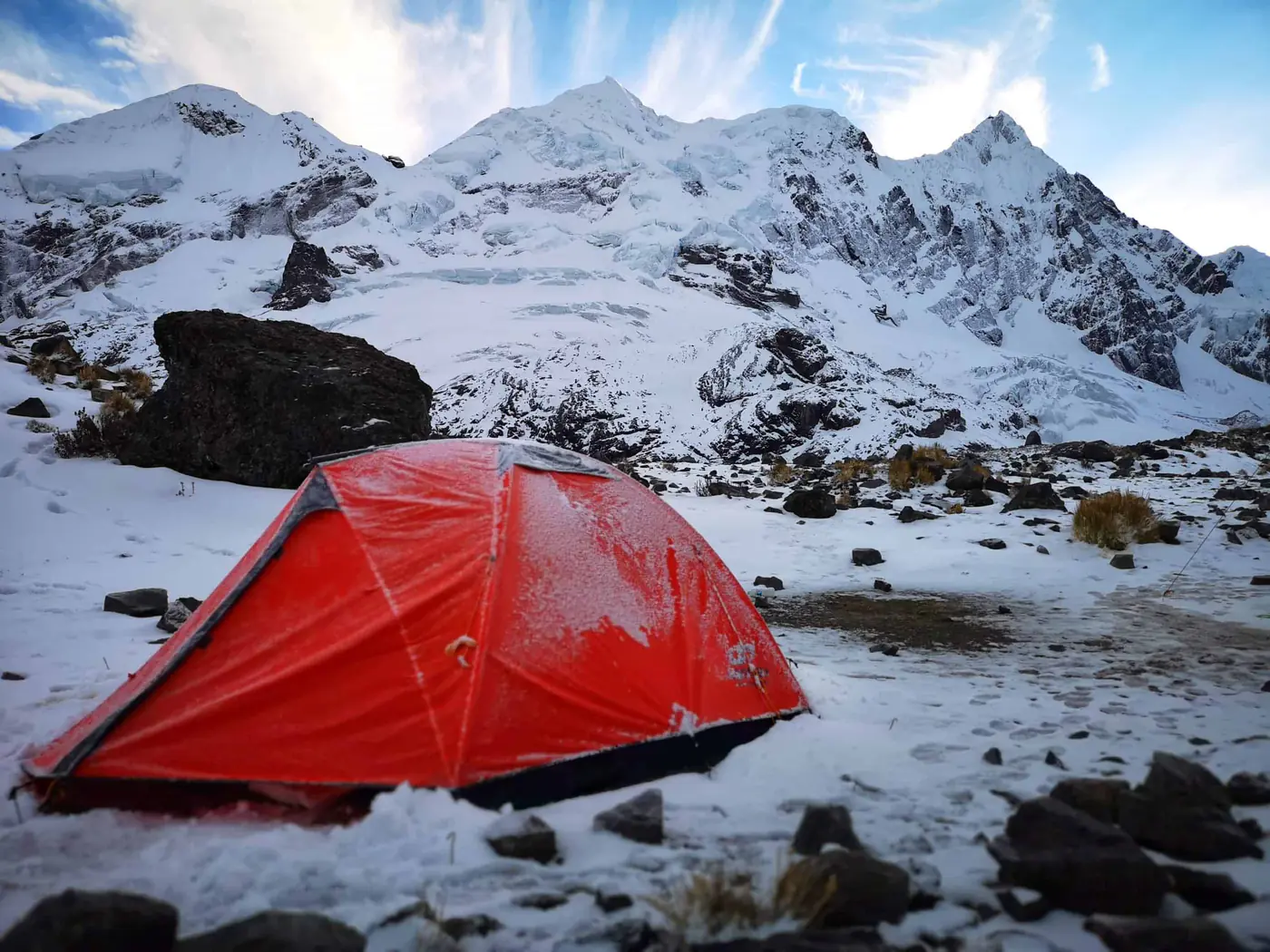
In the Andes and in the jungle, the rainy season lasts from November to April inclusive. You must always be prepared for it. There is no rule as to how long it will rain during the day or whether it will rain every day, but you must always have a change of clothes and something rainproof, as well as preferably light shoes to change into! Remember that in the months of September, October, April, and May, it can also rain on at least some days, and in the mountain areas from about 4000 m above sea level, even snow. Usually, only the months of June, July, and August are almost free of rain and snow – but you cannot rule out isolated days with weather breakdowns, especially at altitudes above 4000 m above sea level. In the mountains of Peru, you should always expect any kind of weather, regardless of the month, and be prepared for all conditions.
The temperature in the evening, especially in the months between May and August, can drop in the Andes to a few degrees above zero, and above 4000 m above sea level to 0 degrees Celsius or a few degrees below zero, depending on the part of the Andes you are in and the altitude. At altitudes above 4000 m above sea level, it can drop to below -15 to -20 degrees Celsius. During the day, in the dry season in the Andes, it is very warm and dry, but when you are in the shade, it automatically becomes very cold. You must always have something warm with you; generally, dressing in layers is the only right decision in the Andes of Peru – always have with you, besides a long-sleeved shirt, a fleece with a hood and a (light) down jacket. Personally, I do not recommend walking around Peru in shorts or blouses. Because either the body will overheat, or in the jungle, mosquitoes will attack. Long sleeves are always an additional layer of protection against sun, cold, and all insects. Everyone here is surprised that temperatures are extremely variable during the day. And there is something to that. Therefore, you must always be prepared for any type of weather and have every type of clothing in your backpack.
The issue of the sun is also much more important in Peru! It is essential to use all protective measures that limit its effects, including good sunscreens, sunglasses, appropriate clothing (preferably covering as much of the body as possible), good, well-covering headwear – which will also protect the ears and neck.
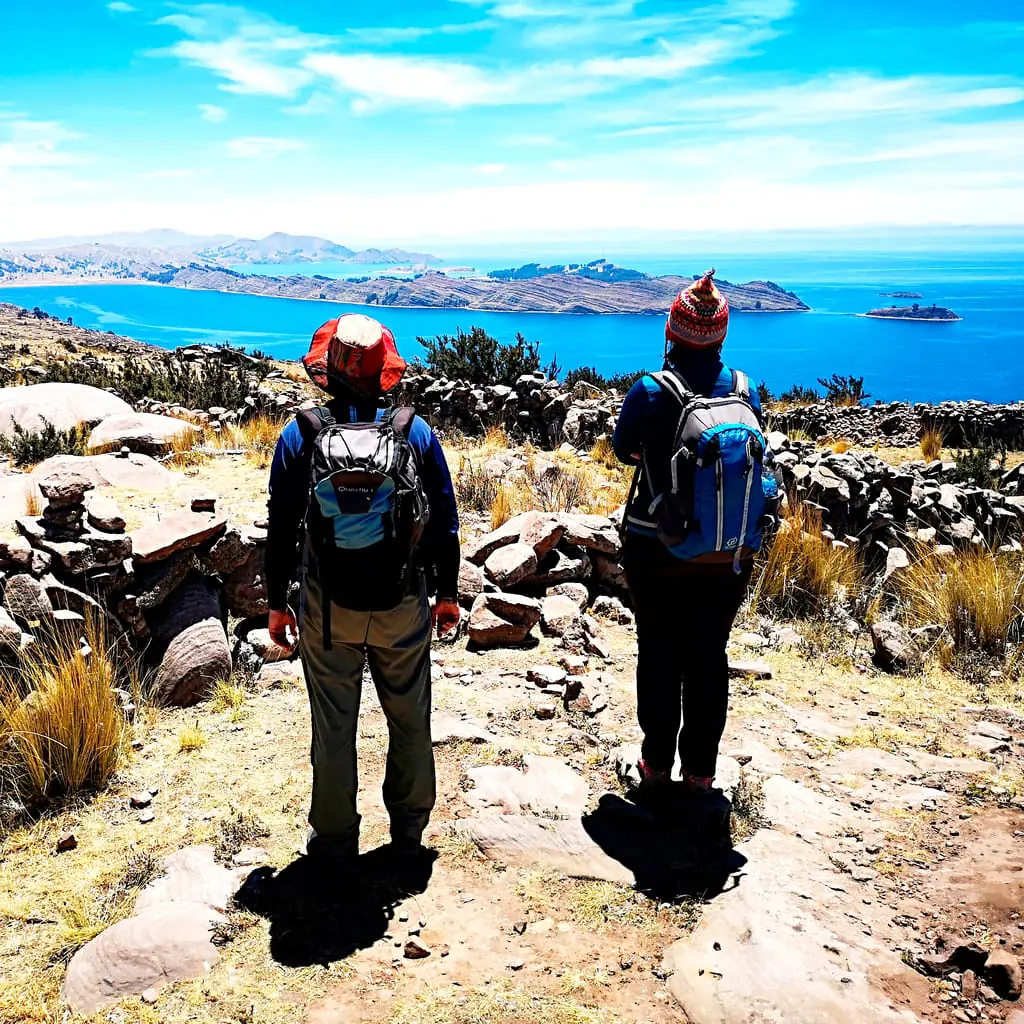
When going on any day trip in the Andes, it is worth having the following items in your daily, hand-held backpack: a raincoat, hat, scarf, gloves, fleece – preferably with a hood, (light) down jacket, at least 1 liter of water, snacks (energy bars or other small food items), sunglasses, a hat that well protects both the head and neck from the sun, a headlamp, sunscreen with good filter, and other personal items necessary individually for each tour participant and required for the specific routes being done that day.
Stomach problems are also part of the local reality
In the former land of the Incas, complications related to various bacteria – stomach problems – occur quite often. In recent months, more and more such incidents have been observed. Often these local bacteria do not pose a threat to local residents, but they do to tourists. You can catch them anywhere, regardless of the standard of the place or cleanliness. It could be in a more expensive or cheaper restaurant, on the street, after eating a product bought in a store, touching your mouth with your fingers, etc. It is not worth treating yourself on your own then, guessing the ailment, because it can only worsen your health and increase the number of days when you cannot explore the country. In case of any health problems, it is always safest to immediately see a doctor in Peru and report all ailments. Remember that Polish medicines do not always work on local diseases, and moreover, without proper tests and specialist advice, you won't know what's wrong with you. In Peru, playing doctor never pays off.
In the former land of the Incas, it is worth starting the day early in the morning. Of course, only if you want to have as much time as possible to explore attractions during the day. The day ends depending on the season around 5:30 PM – 6:40 PM. After that, it gets dark, so nothing can be planned in the field (unless visiting a restaurant, bar, etc.). The shortest days are until June; after the June solstice (here the winter solstice), the number of minutes until sunset increases, up to about 6:40 PM on the longest day. Peru therefore may not necessarily be suitable for people who like to sleep in in the morning and at the same time want to see everything. That's mutually exclusive, because either we rest longer in the hotel room, or we have to pull ourselves together and become early birds for the duration of the trip. Then you can see a lot and without haste.
Safety issues during a trip to Peru
During your stay in Peru, you should always watch your personal belongings. Neither any hostel/hotel or other accommodation, nor any transport (private or public) is responsible for lost items. Therefore, you must especially take care of the most valuable and important personal items such as documents, including passport, credit/debit cards, money, valuables, cameras, computers, watches, and all other valuable items. Actually, it doesn't make sense to bring valuables to Peru; why simply tempt fate... If you have them, you must always reckon with the fact that there is an increased risk of losing them, for example due to pickpockets operating in Peru. We wrote more about safety in Peru here.
These are just a few differences that may surprise you at first glance upon arrival in Peru. Therefore, it is worth being prepared for them even before crossing the border, including choosing the right way/style of traveling, so that your vacation is 200% successful. Remember that Peru is a beautiful country and definitely worth getting to know!