What does the postal system created by the Incas in their empire – Tawantinsuyu – have in common with sports relays popular around the world? Well, as it turns out, quite a lot.
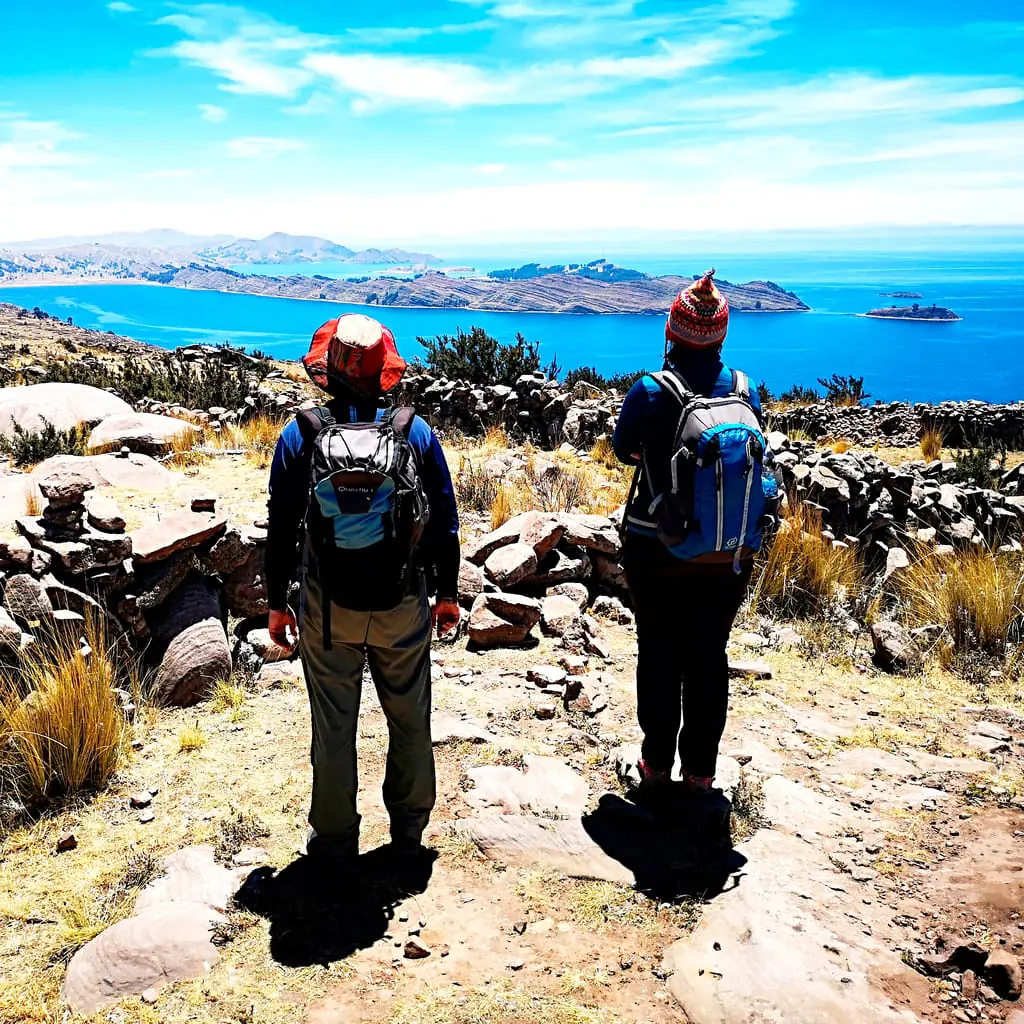
I first heard about the Inca postal system, or rather about the people who made it work, during one of my trekking trips. It was during the first week of traveling in Peru. My local guide, keeping pace with me on the trek, kept saying that if I had lived in the times of the Inca Empire, I would have made a perfect chaski. Hmm, "chaski" – what is that, and why could I be one, I thought? My curiosity was so strong that I quickly asked for details! And in return, I heard the whole story behind the word "chaski."
The Inca Post – What Was Its Core and What Role Did the Chaski Play?
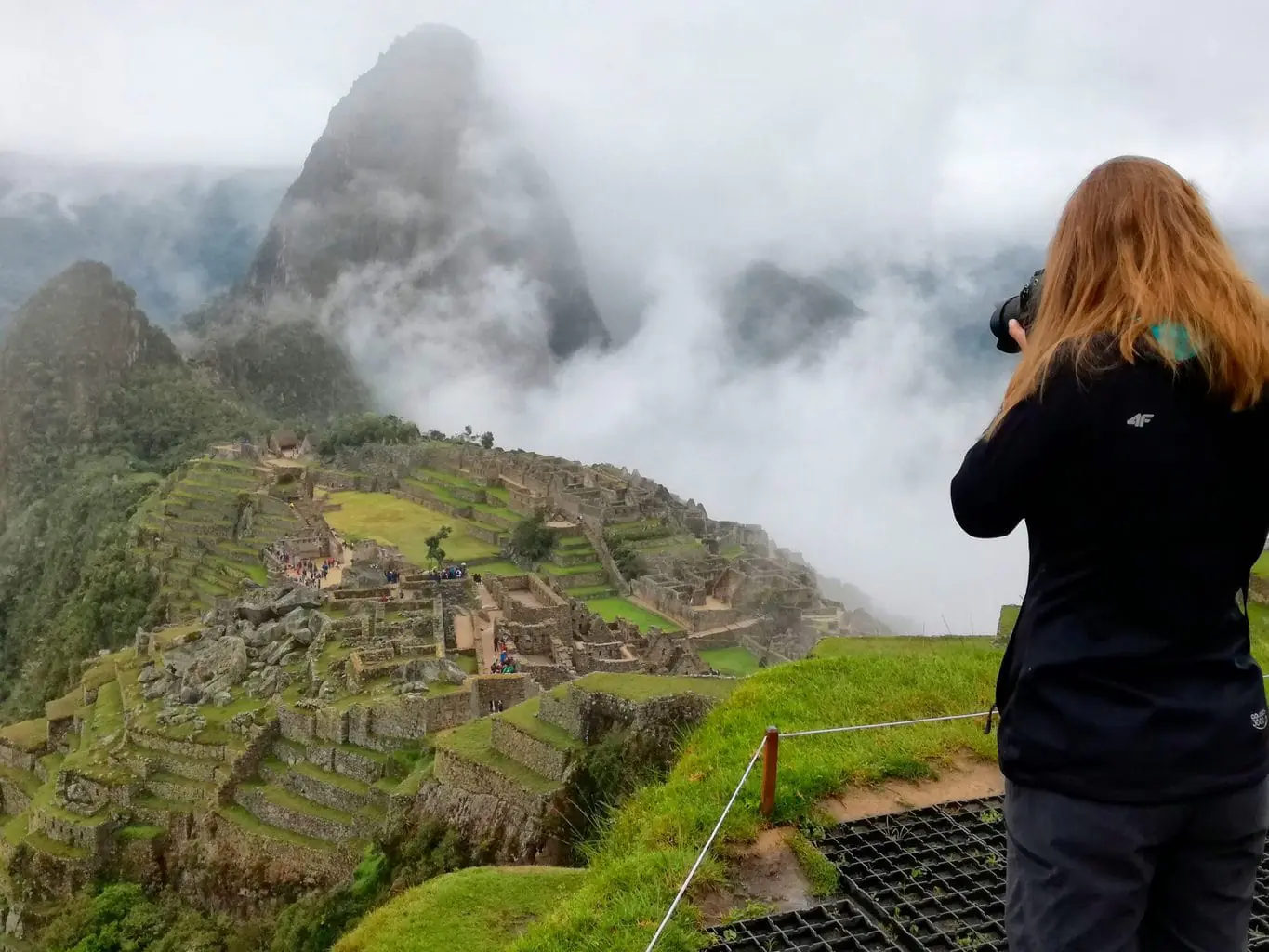
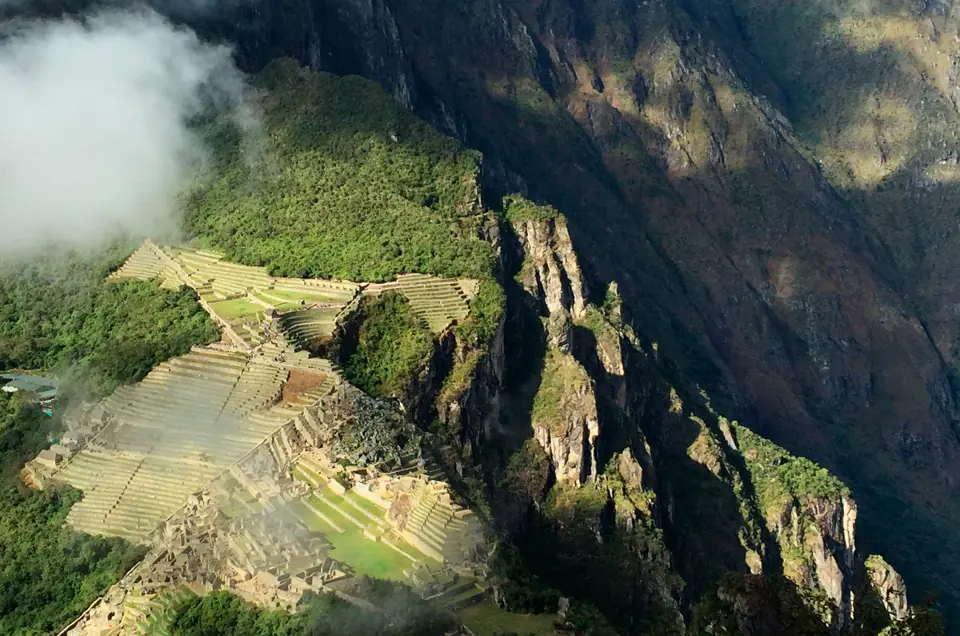
The Inca Empire was famous not only for constructing beautiful buildings whose ruins we can admire to this day, such as those at Machu Picchu or Choquequirao. It turns out that the Incas also mastered many other areas of life to perfection, such as the postal system. It would seem that nothing can outdo cars, or better yet, planes, but nothing could be further from the truth. It turns out that the Incas transported messages within their empire at a truly express pace. And that empire, it must be admitted, was extremely vast during the heyday of Tawantinsuyu. It covered not only the territory of present-day Peru but also the territory of Ecuador, parts of Bolivia, Colombia, Chile, and Argentina.
The wonderfully functioning postal system in the Inca Empire consisted of at least two factors:
- A well-constructed network of roads by the Incas, which to this day covers Peru and other countries once belonging to Peru.
- The fastest runners in the country, called "chasquis" or "chaski" – messengers, or special postmen, if you will.
The Well-Constructed Inca Road Network
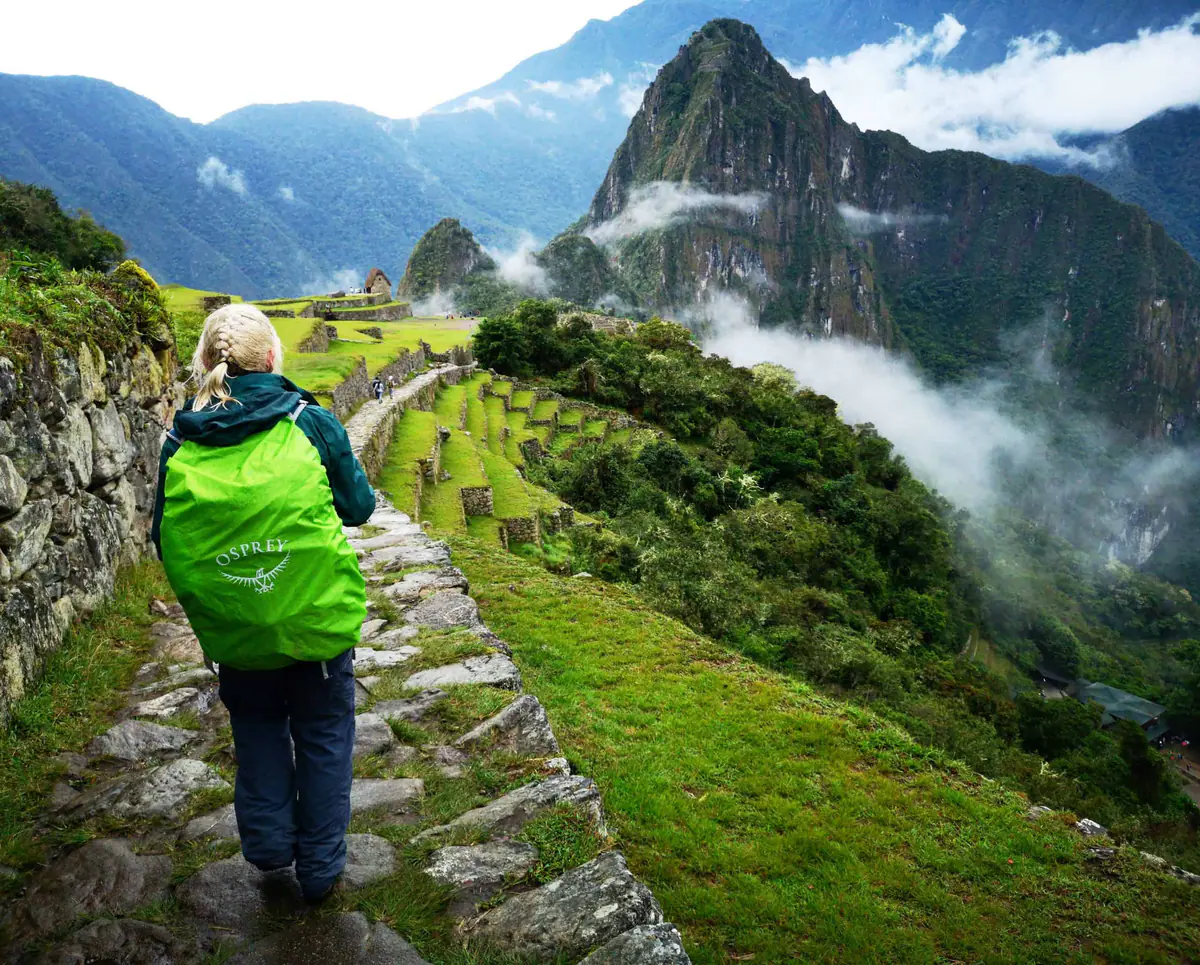
The road system partly built and partly expanded by the Incas is unique on a global scale. Sometimes these were very narrow, steep stairs or paths where only one person could fit; other times, the trails were several meters wide. The character of each part of the Inca road system depended on the terrain in which it was built and the altitude. The roads in the Inca Empire stretched from sea level to almost 6,000 meters above sea level. So it was not always possible to create something wide and, of course, flat.

It is also important that this road network covers not only the territory of present-day Peru but also parts of Ecuador, Chile, Argentina, Bolivia, and Colombia. These countries, at least in part, were part of Tawantinsuyu during the greatest prosperity of the Inca Empire.
The unique and exceptional character of the Inca trails (the Andean road system Qhapaq Ñan) was recognized by the United Nations Educational, Scientific and Cultural Organization (UNESCO). In 2014, this organization decided to inscribe the most valuable sections of this road network on the World Heritage List. In Peru, there are a total of 250 kilometers of the 6,000 km trail inscribed on the UNESCO list. Overall, for adventurers who want to feel like Inca messengers, there are at least 40,000 kilometers of these paths to cover. Some sections can be traversed and seen during numerous expeditions organized in the Cusco region, such as the Inca Trail, Inka Jungle Tour, Choquequirao trek, Lares trek, etc.
Today, the Inca roads are primarily a tourist attraction and a communication system for the local population. In the past, they were the main and only system used for transporting food, moving people, armies, and of course, for carrying all kinds of messages. But to transport messages over long distances, someone was needed to handle it. And here too, the Incas were reliable. They created a special system of messengers who sped along these paths almost at the speed of light. And how did they recruit these postmen? Details below.
The Fastest Runners in the Country, Called "Chasquis" or "Chaski"
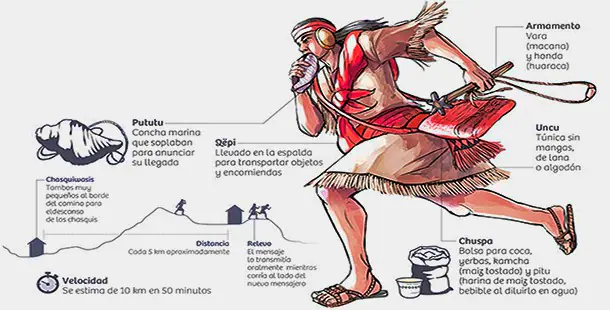
The term chaskiq means in Quechua "the one who receives and gives." This description perfectly matches today's postman. Generally, I don't think becoming a postman is particularly difficult nowadays. Nor does this position require qualifications that only certain individuals could meet. That was not the case with the Inca Empire. It turns out that earning the title of Inca chaski was not easy. Only a few – the best – could deserve this extremely exhausting position. Recruitment for the Inca postal system began very early. The selection of these runners took place when they were still children. The goal was to find the strongest, most agile, with a predisposition to endure long-distance effort. As one might easily guess, the career of a chaski did not last long. After all, how long can you run and run in conditions that were definitely not easy? The Inca post thus consisted of highly athletic young men.
Each such athlete had to cover a maximum of a dozen or so kilometers per day. Otherwise, it would be difficult to maintain speed, which was a priority for the Incas. Thanks to the system in which a chaski had to cover fairly short distances, they managed to cover up to 250–320 km per day. This clever solution meant that messages from Cusco to Quito, which are about 1,250 km apart, were sent in just about 5 days.
But where is the similarity to a sports relay in all this? Well, the point is that during the day, one chaski passed to another – not literally a baton, but something similar. He had to deliver a message or a specific product to the next chaski. That next chaski, with this "baton," ran at least a dozen or so kilometers to the point where the next messenger was waiting, and so on and so forth. Just like in a sports relay, in the Inca post, the goal was to reach the finish line – except that in the case of the Incas, that finish line was, of course, with the recipient of the message or goods.
Having learned about the role and character of the Inca postmen, I considered being compared to a chaski on the Andean trails a wonderful compliment and quite a reason for pride :-).