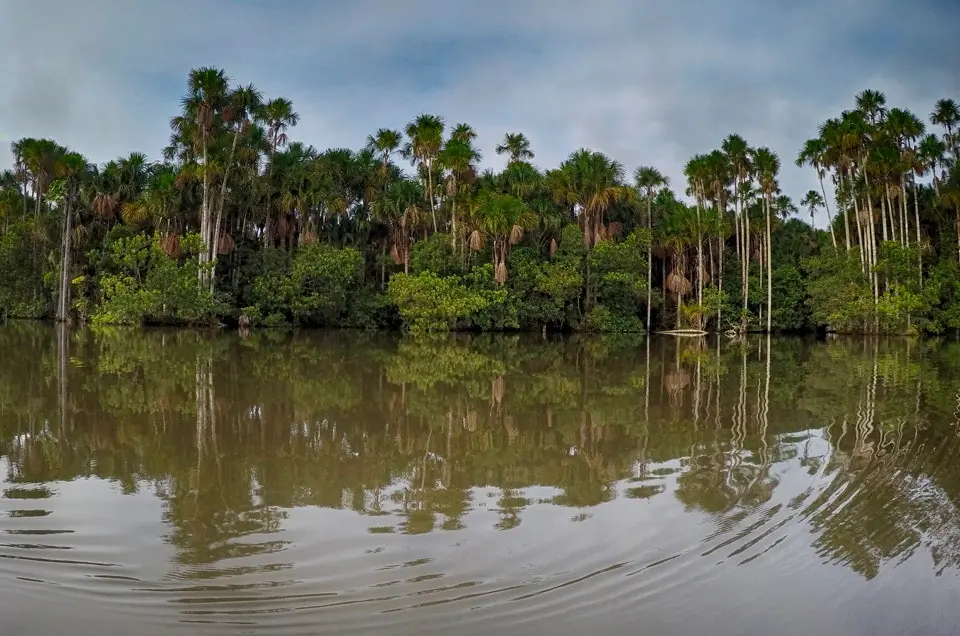
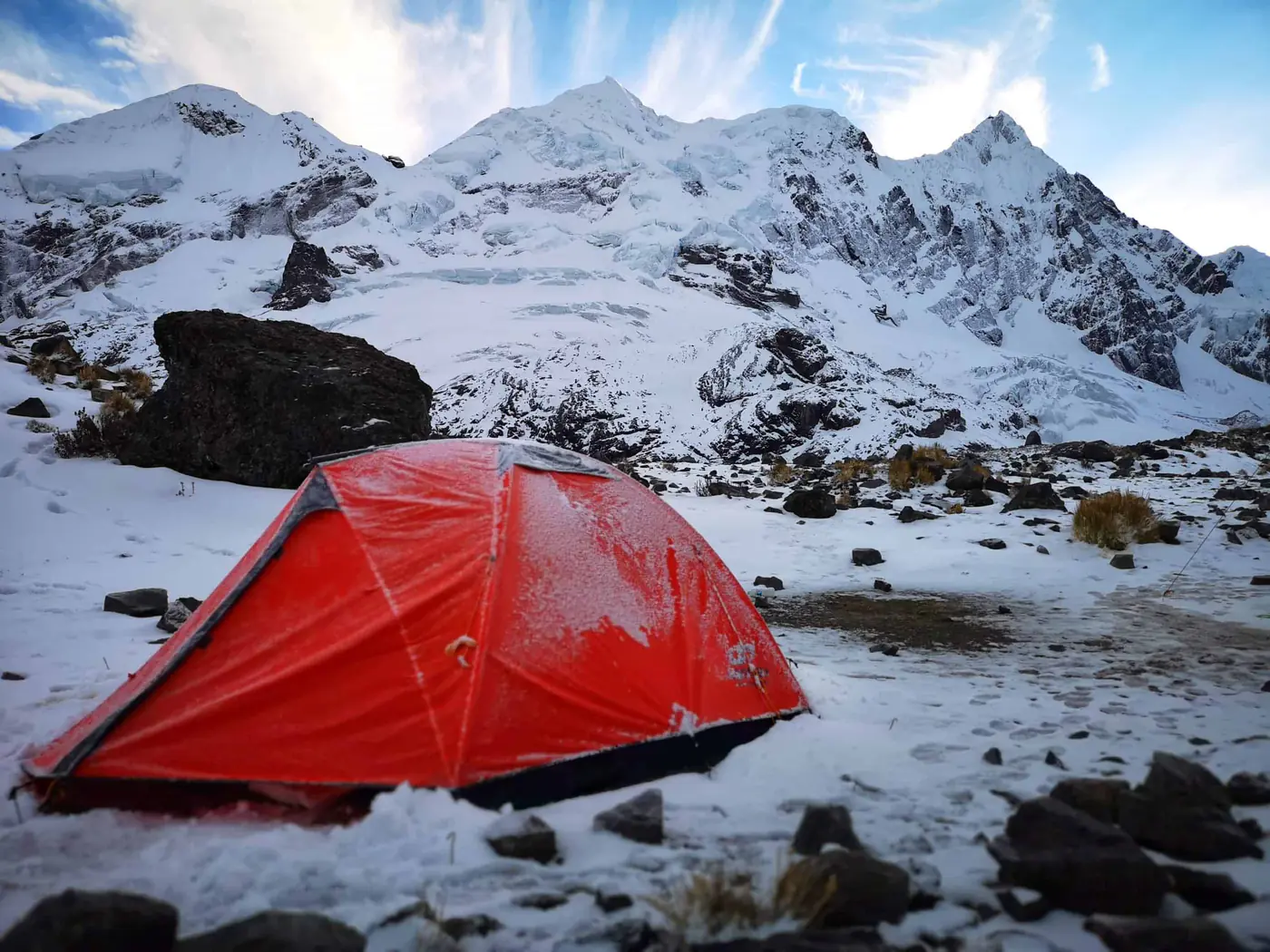
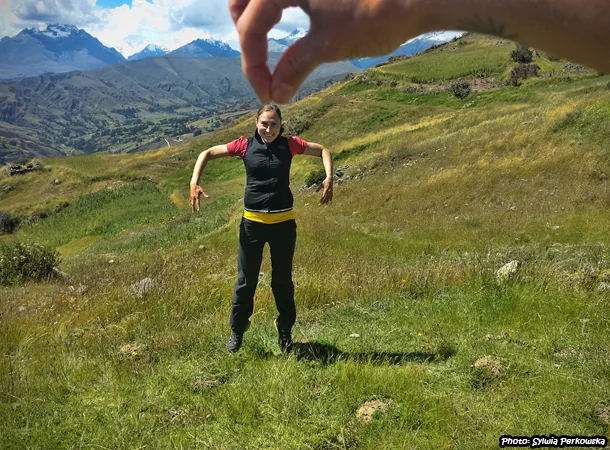
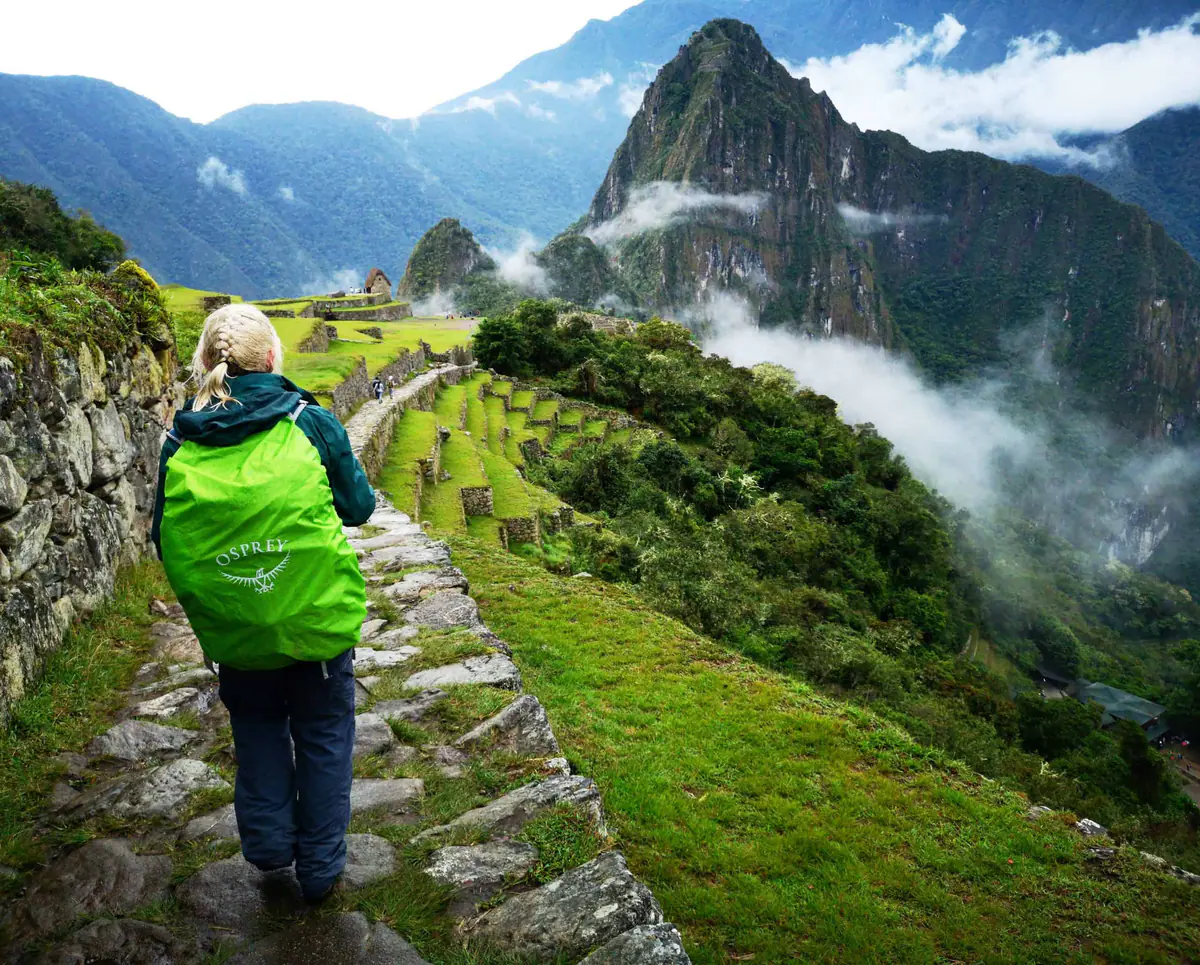
Dear friends, as you know, Peru is a huge country, so I imagine that planning a trip within its borders can give you a real headache. Because you'd want to see this and that. So I'm suggesting what is particularly worth visiting and what you won't find, for example, in Poland or more broadly in Europe.
We love unconventional Peru adventures, and you?
When planning a trip to Peru, you must keep in mind that this country is several times larger than Poland. What does that mean? Well, it means there are incredibly many attractions, including unique ones on a global scale, that you simply must see. So choosing a travel route can't be easy, because you can't see everything.
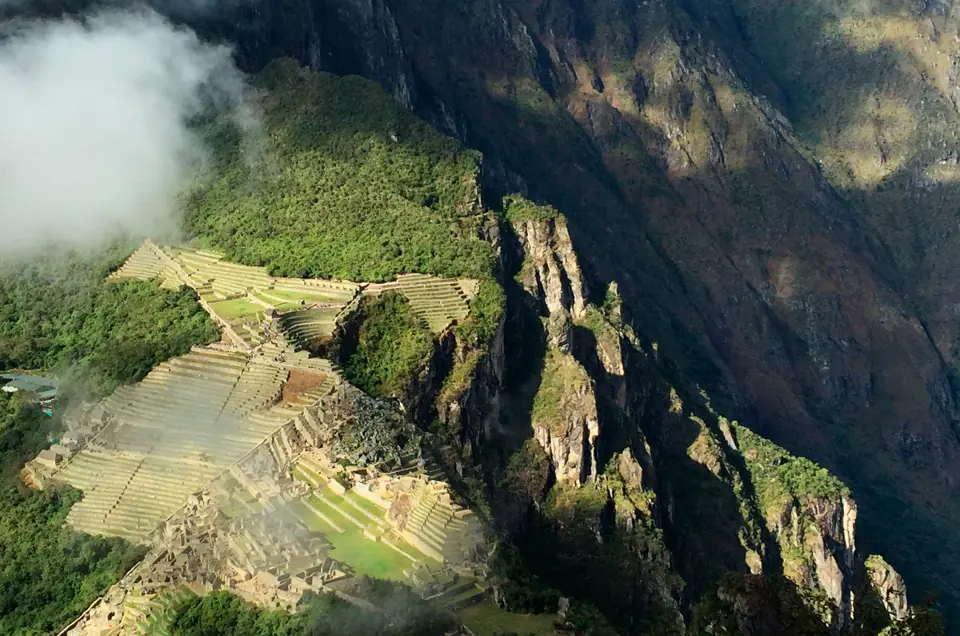
The vast majority of people visiting Peru head south. You can't really blame them, because that's where the famous Machu Picchu is located, as well as the heart of the Inca Empire – Cusco. On the other hand, it's also worth visiting other parts of Peruvian land. There are many options. Again, most people choose the popular route from Lima through Paracas, Huacachina, Arequipa, and Puno. However, if you want to escape the crowds of tourists and are keen on discovering something unconventional, I recommend, among other things, a trip towards the Chachapoyas culture. And what interesting things can you see there? Details below!
Peru, a country with many faces! Which one is worth getting to know better?
As for me, I love the entire Cusco region and even though it's very touristy, I will always recommend it, especially since there are still many wonderful places you can see without crowds. I spend a relatively lot of time here and in my opinion, this is where the greatest concentration of extraordinary attractions worth getting to know is. However, there are also other very interesting and intriguing places in Peru that I return to with great pleasure and whose visits I also highly recommend. These include the Amazonas and San Martin regions, which will be discussed in detail later.

Peru's natural wealth 🙂
A picturesque and diverse route from Tarapoto to Leymebamba
There are very interesting towns here from which you can organize not just one unique adventure. The most important ones are: Tarapoto, Moyobamba, Chachapoyas, and Leymebamba. What interesting things do they hide?

On the route between Tarapoto and Chachapoyas, waiting for transport
First of all, a fragment of the high jungle and the mysterious Chachapoyas culture. Additionally, there is one of the highest waterfalls in the world, Gocta, and wonderful, incredibly friendly people. That was probably the biggest surprise for me. What strikes you right at the beginning is that the local people in these areas are much more open to tourists. Why? Probably because there are relatively few of them and no one is tired of their presence yet. People are simply curious about foreign guests. No one tries to take advantage of them either. Not that there aren't honest and kind people in other parts of Peru. Of course there are, everywhere! But when you spend every day in typically touristy places, you unfortunately sense a certain bad habit of the local people, namely the desire to exploit tourists and their ignorance. In my opinion, this happens in Cusco, for example. Sad but true, and it must be mentioned.
But back to the topic… Among other surprising things, it's worth mentioning that it's much easier to hitchhike here. Generally, hitchhiking in Peru is not very popular. In this country, every driver tries to earn money by transporting people. That's why almost every car, even if it has no markings or any permits, acts as a taxi. So if you catch a ride somewhere on the route, don't think you'll get off easily. Almost 100% of the time you'll have to pay! Unless you're looking for luck on the Tarapoto – Chachapoyas route. Here the chances of a free ride increase at least several times. Besides, unlike many other parts of Peru, such travel in this region should not be dangerous (of course, you still need to be careful!). But beware! I generally advise against hitchhiking in Peru; it can really end badly, even fatally!
It's also worth mentioning prices, because that's a very important topic for every traveler. And here's good news! On the Tarapoto – Chachapoyas route, it's cheaper than in many other, especially touristy, parts of Peru, both for food and accommodation. For a double room with a bathroom in a very decent hostel, we'll pay 50-70 soles.

Visiting a local sugarcane moonshine factory
Besides, I must mention cleanliness. Local markets and small restaurants where you can eat well are much better maintained than similar places in Cusco, for example. There are also many interesting dishes and drinks here that are not served anywhere else in Peru. Among those that impressed me the most is a cocktail made from ormigas gigantes, i.e., giant ants. Not only is it served in bars and restaurants, but they also make various medicinal drinks from these little ants. Apparently, they help treat rheumatic diseases.

Who fancies crunchy little ants…
And now a bit more detail about a few places on this route
Tarapoto
Here, above all, you must try the extraordinary chonta (palmito) salad. Its main ingredient comes from a special type of palm. You can find such salads in many countries, but I first tasted it in Tarapoto. Oh, how I love that taste. I'd be ready to return to Tarapoto just for that salad!
Moreover, you must visit the chocolate factory – you can never have too many sweets, and you won't find chocolate of this quality in many places in Peru. And you can watch the whole process of making it 🙂

In front of the chocolate factory in Tarapoto
But the real joy is a visit to a cacao plantation. What a feeling to taste cacao fruits freshly picked from the tree. Did you know that they are incredibly sweet and delicious – unlike cacao beans? That white pulp you see in the photo below is a paradise for the palate. You simply must see a cacao plantation and try this wonderful fruit.

Sweet, wonderfully delicate cacao fruits
Moyobamba – the city of orchids
Although it's a relatively small town, for me it's very interesting and worth stopping for a while. Especially if you love hot springs in the morning and orchids. This region is famous for these beautiful flowers. In Peru, there are over 3,500 species of orchids, so there's plenty to see. However, keep in mind that you won't find them at any time of year. The best time to come here is September and October. And below, I am in the morning, admiring the beautiful jungle landscapes after a visit to the hot springs.

Chachapoyas
This is probably the most beautiful town on the Tarapoto – Leymebamba route in terms of architecture. It is located at an altitude of 2,300 meters above sea level. It was founded in 1538 by Alonso de Alvarado, a captain of Francisco Pizarro. Very nice, well-kept with beautiful colonial architecture. It's worth wandering around, but one afternoon is enough since it's not too big.
There's also something that connects Chachapoyas with Poland. Football experts and fans, and especially Lech Poznań supporters, attention! Hernan Rengifo Trigoso, a Peru international and former Lech Poznań player, was born in Chachapoyas. On June 11, 2007, he signed a three-year contract with Lech Poznań and debuted in the Polish Ekstraklasa on July 28 in a match against Zagłębie Sosnowiec. On August 11, in a game against Górnik Zabrze, he scored his first goal in the Polish league. In the 2007/2008 season, he scored 12 goals in the Orange Ekstraklasa. In January 2009, he was chosen by the newspaper Diario Ojo as the best Peruvian footballer playing abroad in 2008. On January 1, 2010, he reached an agreement with Omonia Nicosia officials and three days later moved to the Cypriot club. He played his last match for Lech Poznań in September 2009.
Kuélap
From Chachapoyas, it's just a stone's throw to the famous fortress of Kuelap. It is considered the pearl of the north, an alternative to Machu Picchu. This archaeological site is located about 32 km from the city of Chachapoyas, at an altitude of about 3,000 meters above sea level. It is one of the greatest works of the Chachapoyas culture, which developed in these areas before the Incas. This place is very beautiful, yet still little is known about it. The Chachapoyas people left behind many mysteries. If someone dreams of discovering something pre-Inca, they can safely head to the Amazonas region and start searching.
The Chachapoyas culture, in Quechua meaning "cloud people". It was a large civilization, ultimately conquered by the stronger Incas. This happened under the leadership of Tupac Inca Yupanqui, son of Pachacutec.
What characterizes this culture is, among other things, their burial methods. I've never been fond of cemeteries, but those belonging to the Chachapoyas are simply amazing. The local people buried their loved ones in sarcophagi or mausoleums. To this day, you can approach them and admire the precision with which they were made. It's just a pity that thieves keep looting both the bodies and the sarcophagi. Some cemeteries are so plundered and destroyed that it brings tears to your eyes.

Sarcophagi of the Chachapoyas culture, as a little gift
Gocta, one of the highest waterfalls on earth
Waterfall lovers can admire at least several of them in the vicinity of Chachapoyas. However, the most famous is Gocta, with a height of 771 meters, counted among the highest waterfalls in the world. Known to locals forever, to the world only since 2006. Various sources give different rankings, sometimes third, sometimes fifth, or even lower. Classifications vary, and things keep changing in this regard. But that's not what matters. The most important thing is that it's simply beautiful, reachable in one day, and there are interesting trails leading to it.

Almost at the destination, the Gocta waterfall literally within reach
Leymebamba
I would say it's a tiny village, seemingly nothing special, but in reality, this is where you can reach the extraordinary mausoleums from the Chachapoyas culture era. The trek there is long and difficult, but worth every effort.
Moreover, once you get that far, you must visit the local museum. Generally, museums are not my strong suit; I used to avoid them. However, there are some in Peru that I love and that changed my approach to this topic. What will you find in the museum in Leymebamba? Among other things, one of the largest collections of quipus (a kind of Inca writing), as well as a huge number of mummies (over 200), mainly from Lake Laguna de los Cóndores, both from the Chachapoyas culture period and the Inca Empire period. It's worth visiting this town just for the museum.
This is just a small fragment of what you can see on the route Tarapoto – Moyobamba – Chachapoyas – Leymebamba. I highly encourage you to discover new parts of Peru. If you want to see many attractions on this section, I recommend setting aside about 10-13 days. With good logistics and a well-thought-out plan, you'll get to know these areas very well, and at the same time, you'll also do some unique treks.