When we go on vacation, we often face extra expenses beyond the standard travel costs—those related to preparing for the trip. Depending on where we're going, these can be small or quite significant. Of course, no one is thrilled about having to spend extra money right before a planned trip. But don't worry, there are several ways to save a bit in this area.

How to avoid expenses related to preparing for a trip?
If we need some equipment or items for our dream vacation that we don't have in our closets and corners for whatever reason, we should undoubtedly think about either buying them or renting them.
The most convenient, because the cheapest, is to borrow the missing "goods" from family, friends, or acquaintances. Such a friendly favor can lead to significant savings. But what if there are no willing people, or they are but don't have the equipment?
We have to use plan B, more expensive but certainly effective. Namely, we can either go to specialized equipment rental shops—whether in the country or at the destination—or make forced purchases. Which option is more worthwhile will depend on at least several factors that need to be calmly considered:
- How long do we plan to travel?
- Will the missing items or equipment be useful in the future for other trips or just in everyday use?
- What is the cost of buying these items versus the cost of renting them?
Let's take a camping trip as an example. For this type of travel, it's worth considering whether we will ever use a tent again, or if it's just a one-off and we generally don't like camping trips. If we're going for a few days, it will likely be cheaper to rent the equipment. It's different if we plan a trip for a longer period. Then it's worth calculating whether it's better to invest in a tent and simply own it. Besides, there's a very important matter. Depending on the country we're going to, it happens that such good-quality, almost new equipment (since we've only used it a few times) is easy to sell to someone. So it's worth asking around, searching the internet, to see if such an option is easily available in the country we're visiting. In that case, we might not only incur the expense but even make a profit in the end.

There is another possible variant worth considering! What? Details below 🙂
Especially when we plan a trip in advance, we can use at least three important dates in the year for our travel goals: Christmas, birthdays, and name days. As a rule, we give each other small gifts from time to time, especially when birthdays or name days are involved. If someone hasn't celebrated them before but is planning a trip around the world, they'd better start :-). If we inform our guests early and sincerely about our plan, they will likely gift us something useful for the trip. Let it be one item from the whole family or the whole group of friends, but it's always one more thing—and without incurring additional expenses in that regard. A similar trick can also be applied during the Christmas holidays, if someone celebrates them, of course.
If you're not fans of birthdays, name days, or holidays, I have another suggestion. It will be useful primarily for those who work in companies where, whether you like it or not, birthdays are celebrated :-). Here too, there can be a good opportunity, especially if you work in a large team. Those who don't work in such companies, hmm, what to advise… maybe it's worth looking for another job 😉—but treat that as a joke. Before vacation, though, it's better to have a steady source of income!
There's also a way for lovers. February 14th is a perfect date for future traveling couples to treat themselves to some useful product.
Ideas for great gift-gadgets for travelers to Peru
Below you'll find a list of several essential small items, and not only, that are very useful in Peru, at least for me. If someone plans to travel like I do—that is, at least from time to time with a backpack, in the mountains, on trails more and less known—it's worth getting the following products.

- Very good quality sunglasses.
- Good sunscreen with high SPF.
- Lightweight, quick-drying towel.
- Pocket knife.
- Thermos that keeps heat for as long as possible.
- Thermal clothing.
- Comfortable, good-quality trekking pants.
- Windproof gloves.
- External hard drive for photos.
- GoPro camera.
- Guidebooks—preferably in PDF, as they are lighter.
- Money belt (waist pouch) for carrying money.
- Spork (knife, spoon, and fork in one).
- Travel toiletry bag.
- Sleeping bag—depending on needs, either down (much warmer, though much more expensive) or synthetic (not as warm, but much cheaper).
- Sleeping bag liner. It's always better to sleep in your own than in a stranger's. Although as a rule, in every hostel blankets are included in the price of accommodation, it's better to snuggle into your own sleeping bag, or at least a sleeping bag liner. It's best if it's as warm as possible. I personally have a Sea to Summit Thermolite Reactor Extreme liner, exactly like here, and I'm very happy with it. Light, warm, and my own :-). I take it on camping trips and when I plan to stay in hostels.
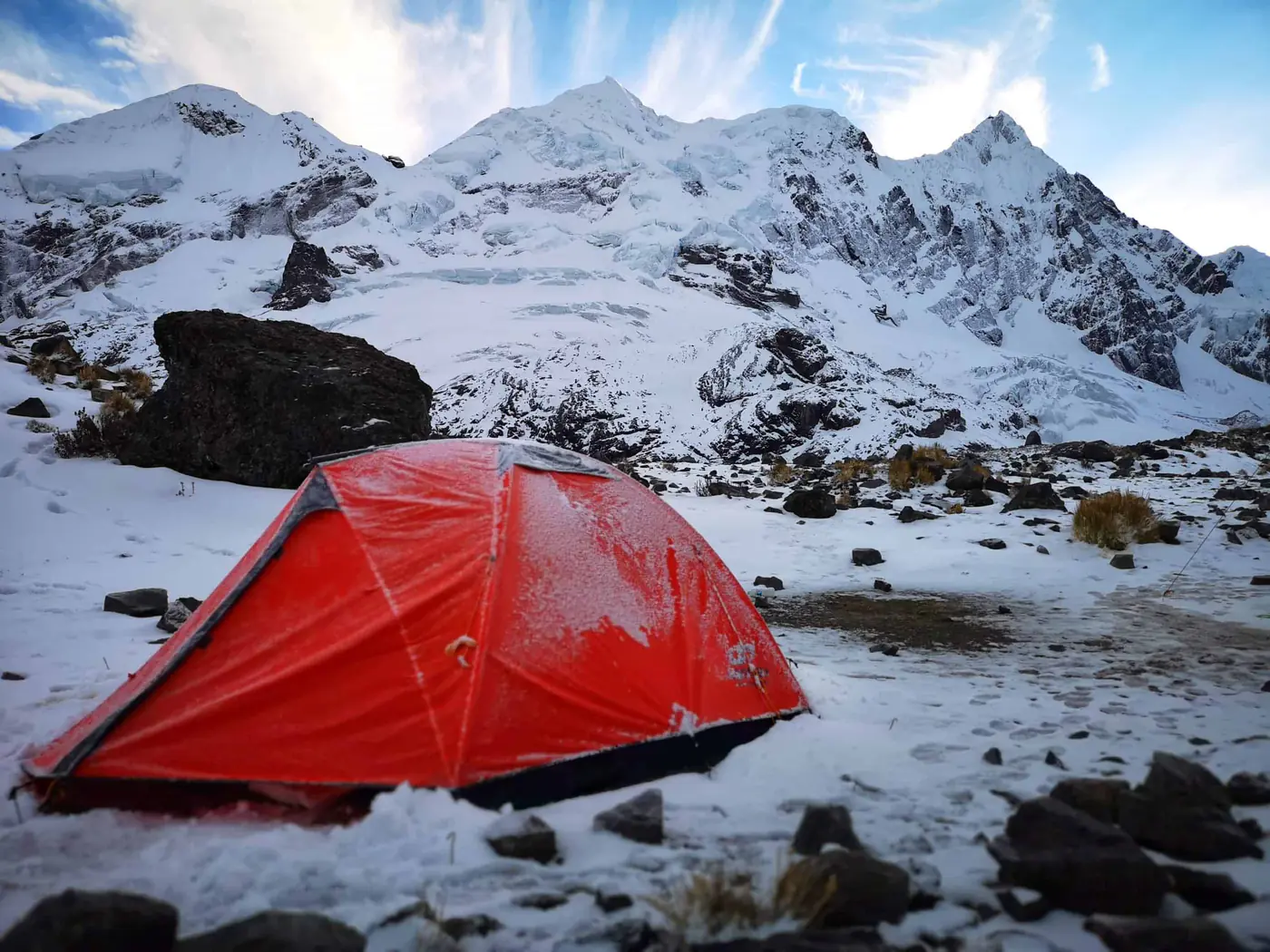
- Tent. I got a Hannah Serak S tent, exactly like here—mid-range, which works perfectly on all my trips in Peru—whether in the highest parts of the mountains or lower: both in dry and rainy conditions.
- Sleeping pad.
- Lightweight trekking backpack.
I wish you all as many travel gifts as possible, on every possible occasion :-).