How to tailor a trekking in Peru to your own needs and abilities? Which region offers the greatest variety of trekking routes? We answer these and many other questions below!
Trekking in Peru tailored to your needs and abilities
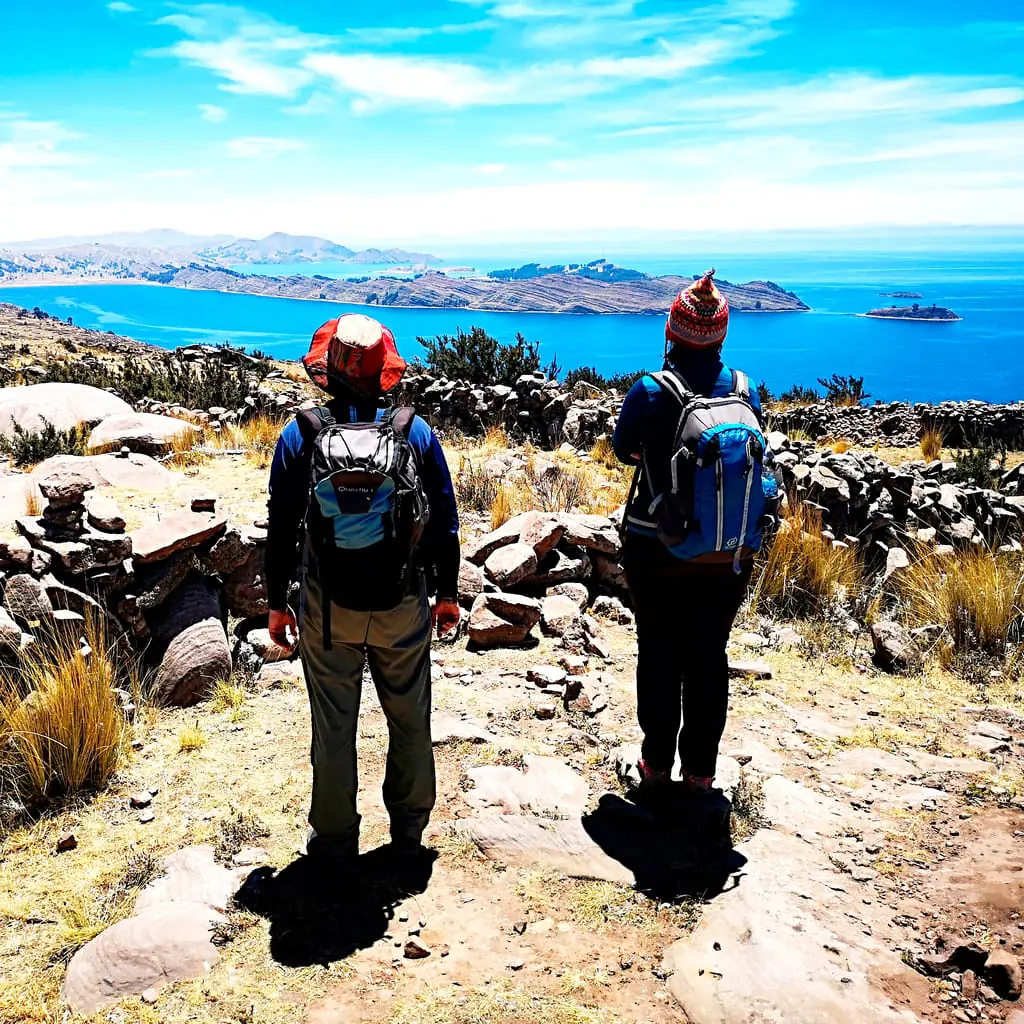
Peru is a paradise for trekking lovers. Interesting trails can be found here by older and younger people, those who enjoy multi-hour as well as several-hour mountain trips. There is also a huge range of routes that can be done over several or even a dozen or so days.
To choose a trekking in Peru well, it's worth answering a few questions. You'll find some of the most important ones below!
- How much time do I have to explore Peru and how many days do I want to dedicate to trekking?
- How many hours a day do I want to spend trekking?
- How many days in a row do I want to spend trekking?
- Do I want to use commercial routes, or would I rather enjoy landscapes without crowds of tourists?
- What kind of accommodation do I want during the treks? Camping in tents, or perhaps staying in local huts with the inhabitants of the areas visited?
Before planning a trekking trip in the Andes, it's also worth keeping a few additional issues in mind.
In Peru, most trails are unmarked. There are also no maps that would include descriptions of the routes, their length, exact distances, or elevations. So if you don't have experience navigating in mountains, especially high mountains, it's definitely worth choosing a trek with a guide.
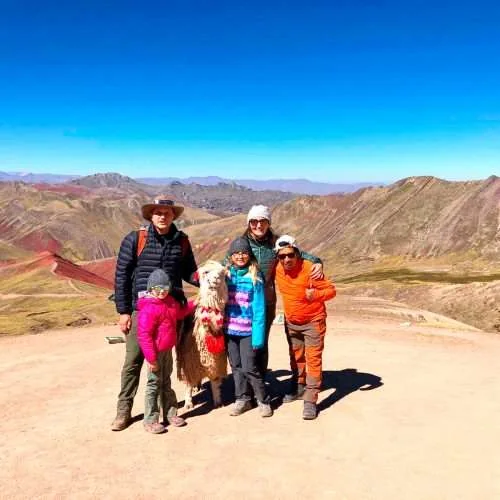
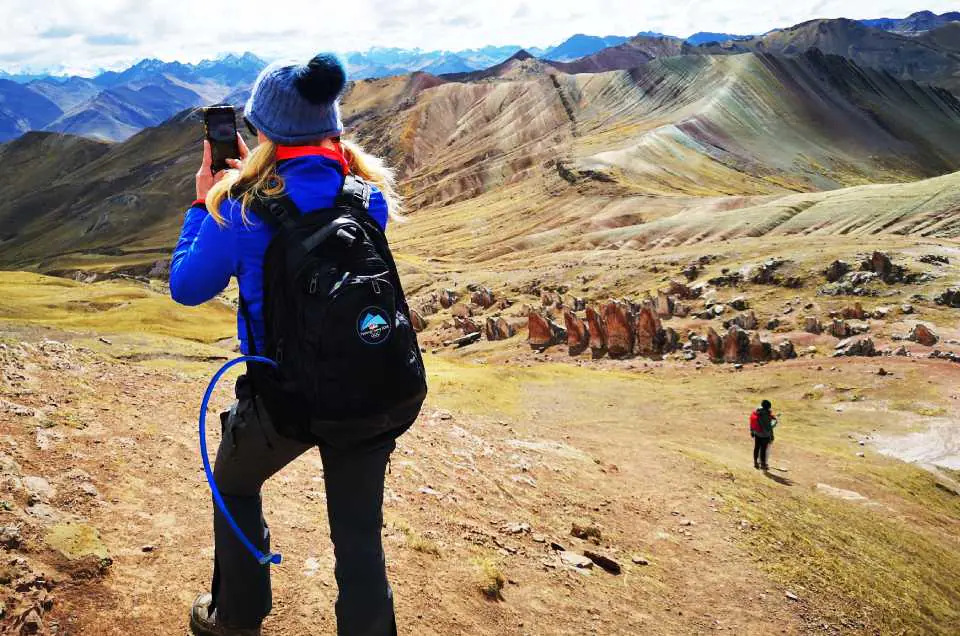
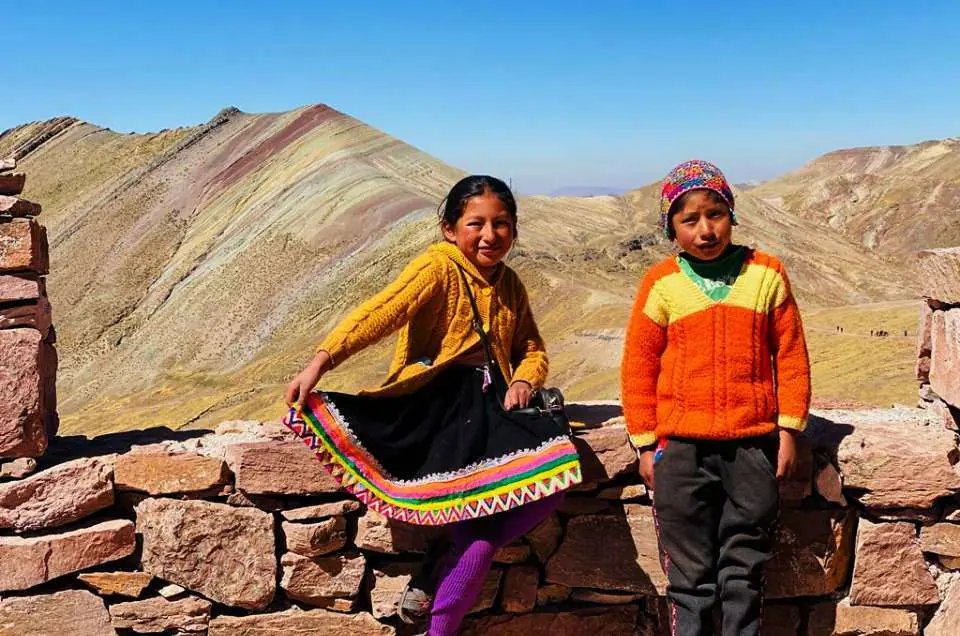
Peru has an extremely rich offer of trekking routes, yet only a handful are promoted. Most of those available in travel agency offers are strictly commercial routes, including Salkantay, Inca Trail, Inka Jungle, and the Vinicunca rainbow mountains. Beyond these options, there are many lesser-known or completely unknown yet incredibly beautiful trekking routes. Interestingly, many of them are ancient Inca trails.
So if you care about something mega unique and little touched by tourism, it's worth choosing trekking routes in the Lares, Ausangate, Waqrapucara regions, and best of all in Vilcabamba. A diversity of landscapes, interesting people, and opportunities to combine with other attractions are guaranteed!
So before you decide on a trekking in Peru, analyze your needs and preferences. It will then be easier for you to plan your trip to Peru, choose the ideal route, as well as the region where it's worth staying longer to fulfill your trekking dreams.
Why choose the Cusco region for trekking in Peru?
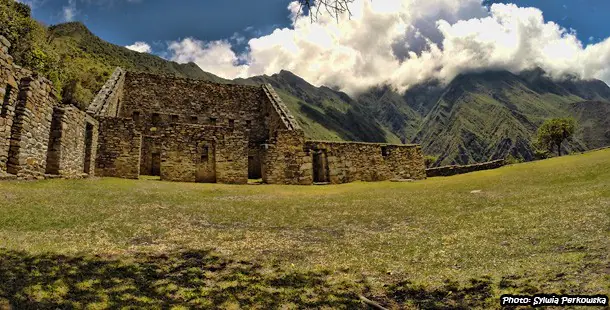
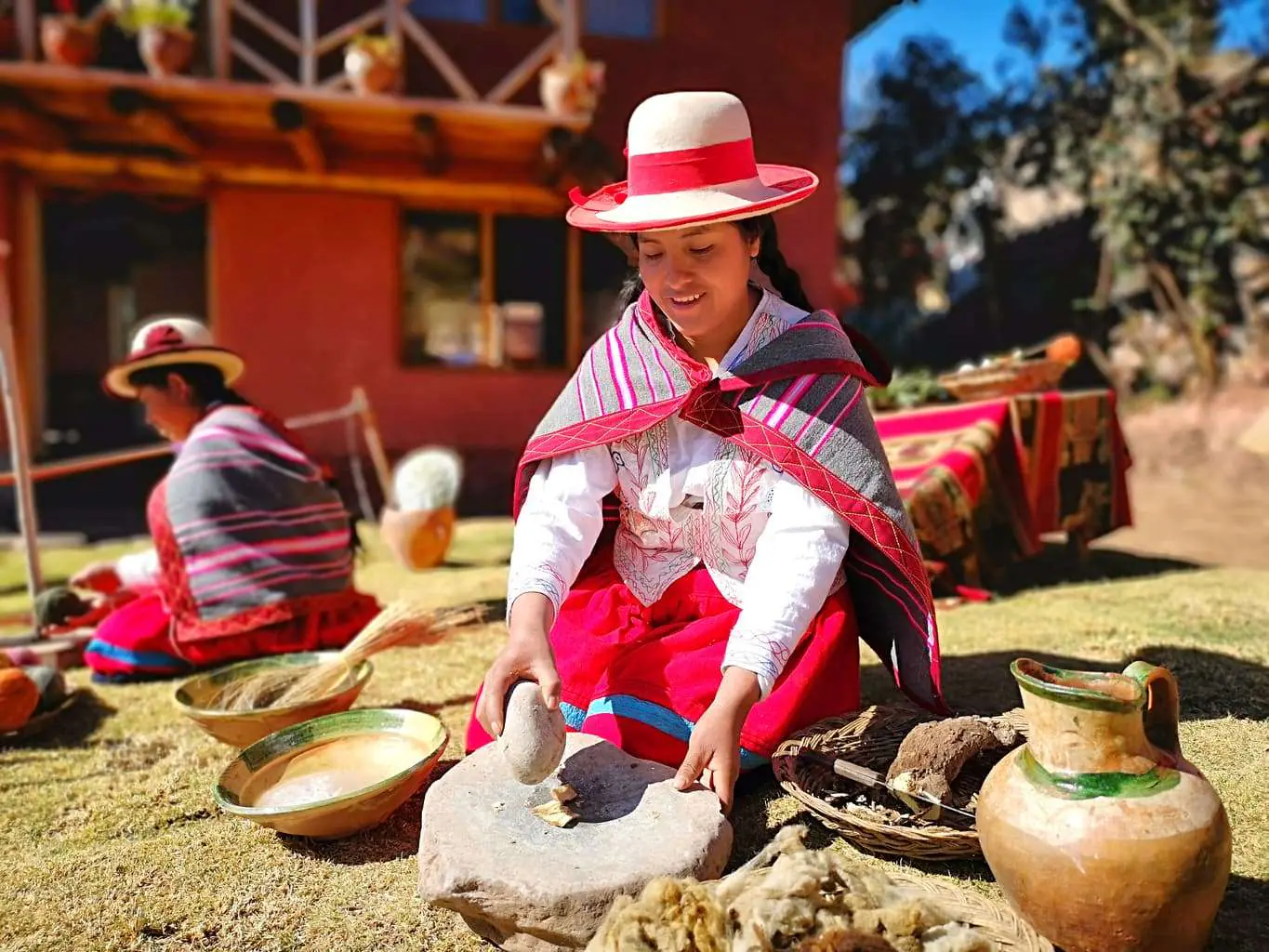
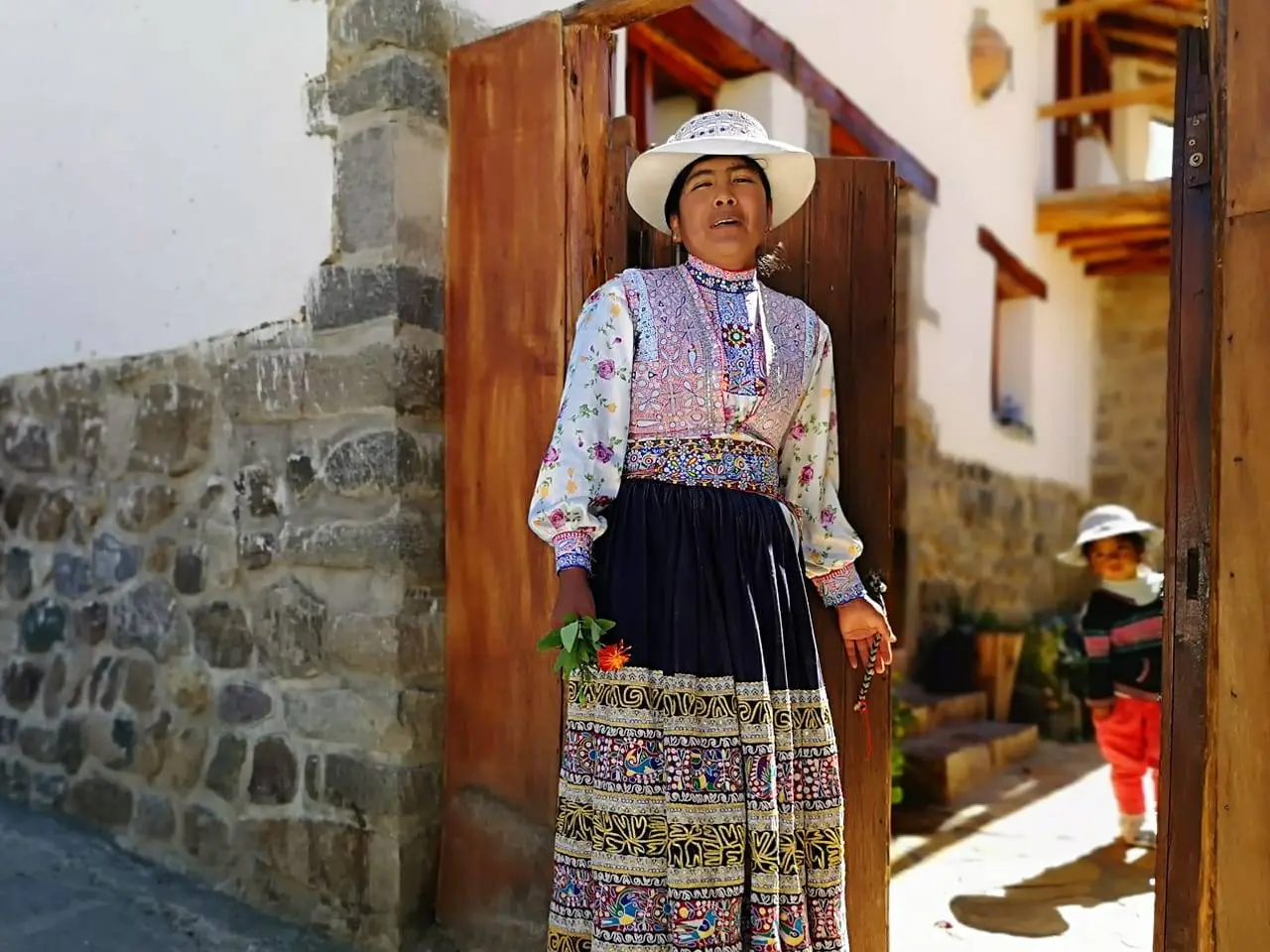
The Cusco region is simply magical. Countless trekking routes, Inca and pre-Inca ruins, numerous herds of llamas, alpacas, vicuñas, and warm people are just a fragment of the reality here.
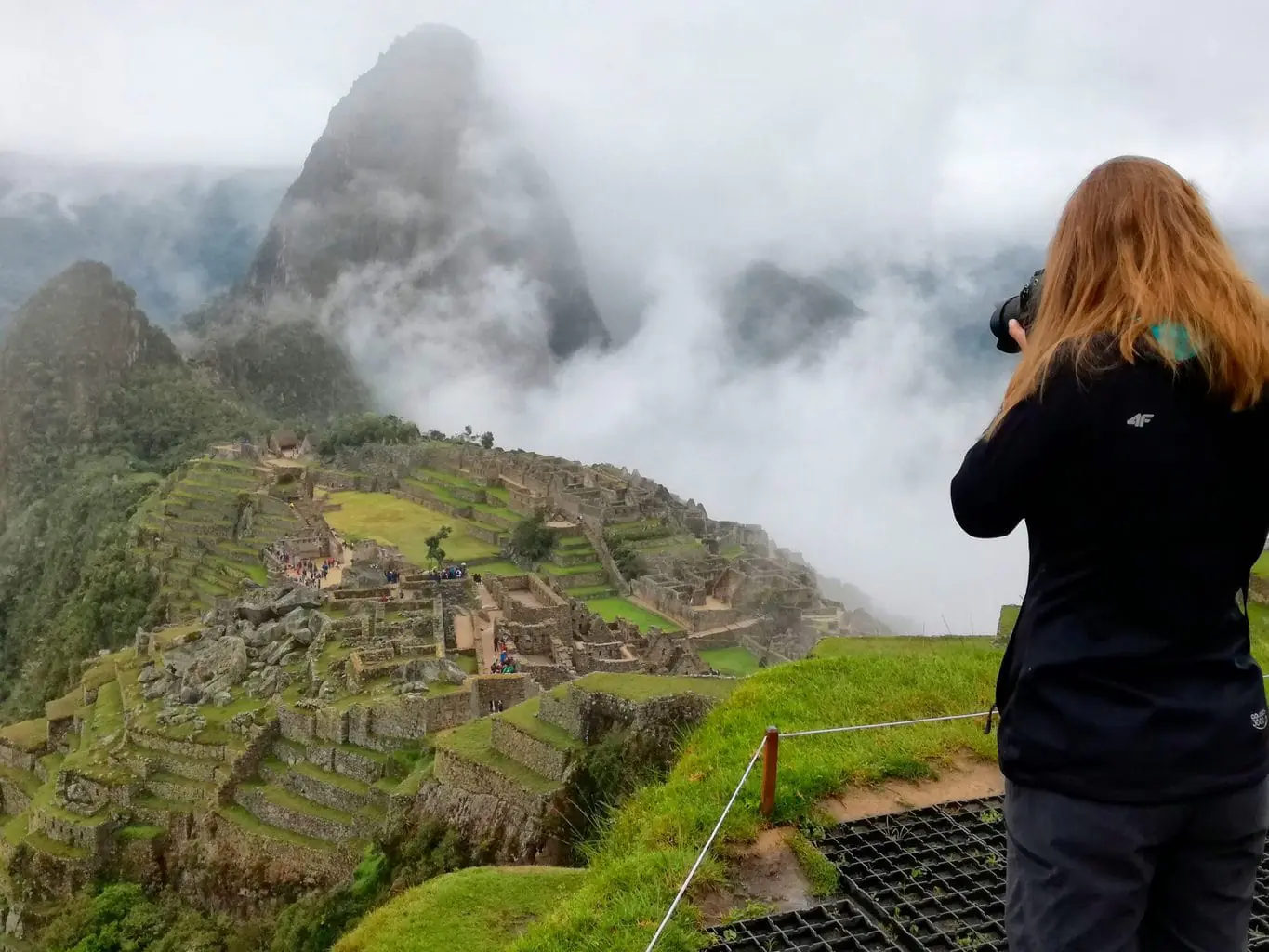
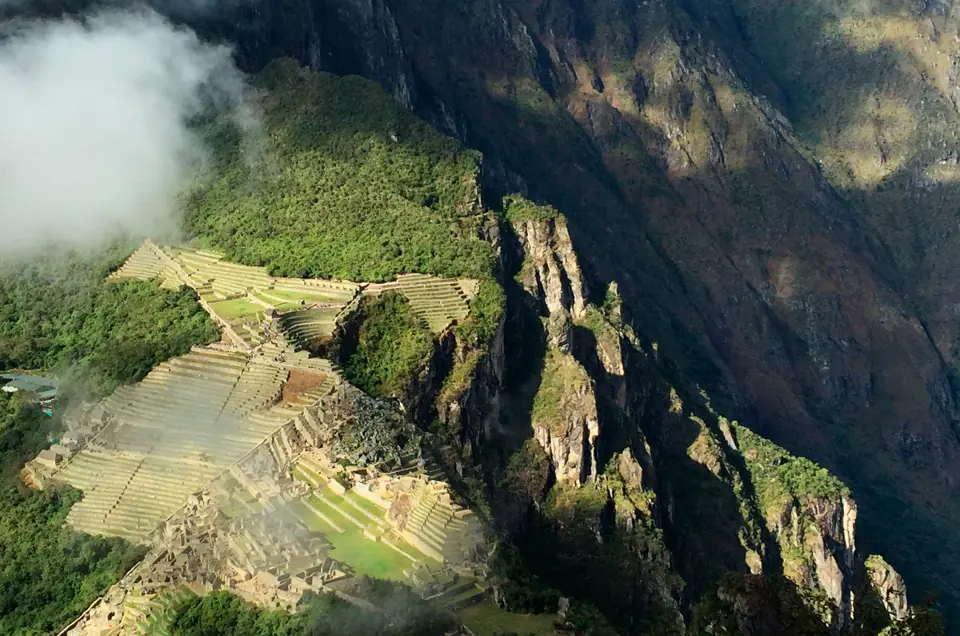
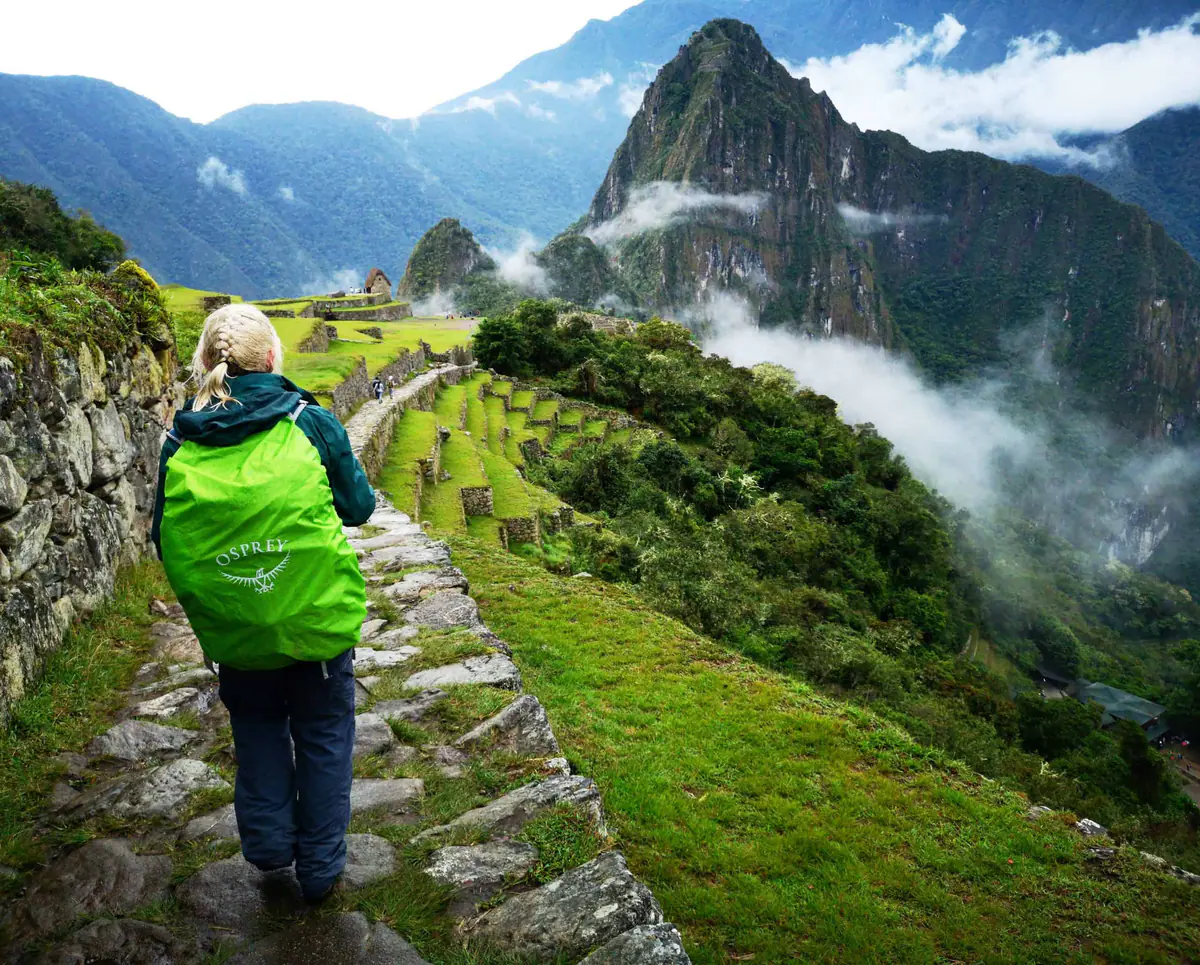
First, what distinguishes trekkings in Peru in the Cusco region is the possibility of combining them with visiting the most famous Inca ruins, Machu Picchu.
Second, many trekking routes connect with the royal road system known as Qhapaq Ñan. Traveling such routes is a real treat and in fact an ideal way to bring closer the reality of the people who inhabited these areas centuries ago. If you want to learn more about the Qhapaq Ñan road system, watch one of these English-language films Inka Road Symposium 18 – The Power of the Qhapaq Ñan or one of the Spanish-language films Qhapaq Ñan. Also check out our article The Inca road system Qhapaq Ñan. Which ones have you traveled?
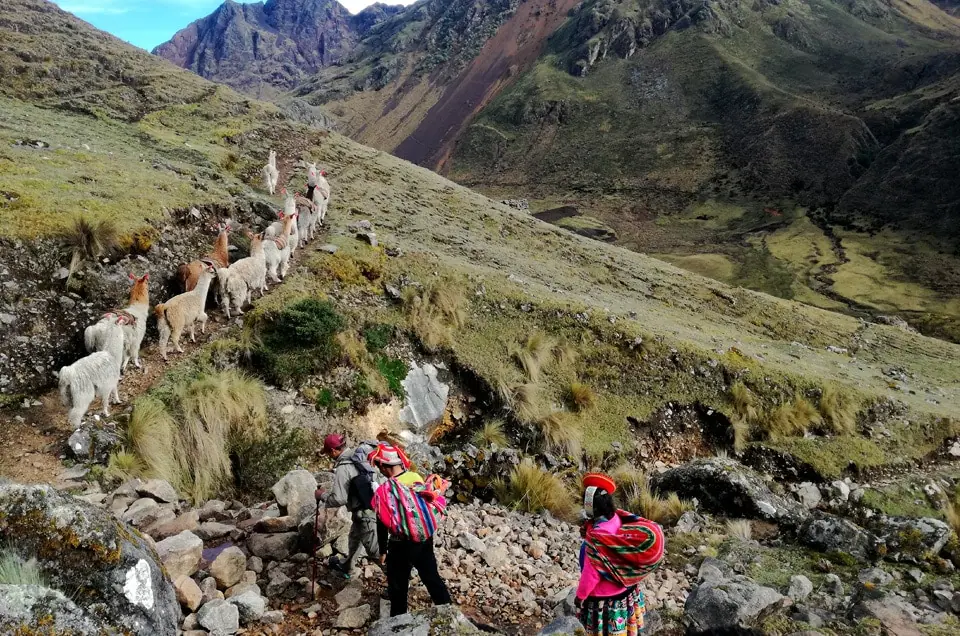
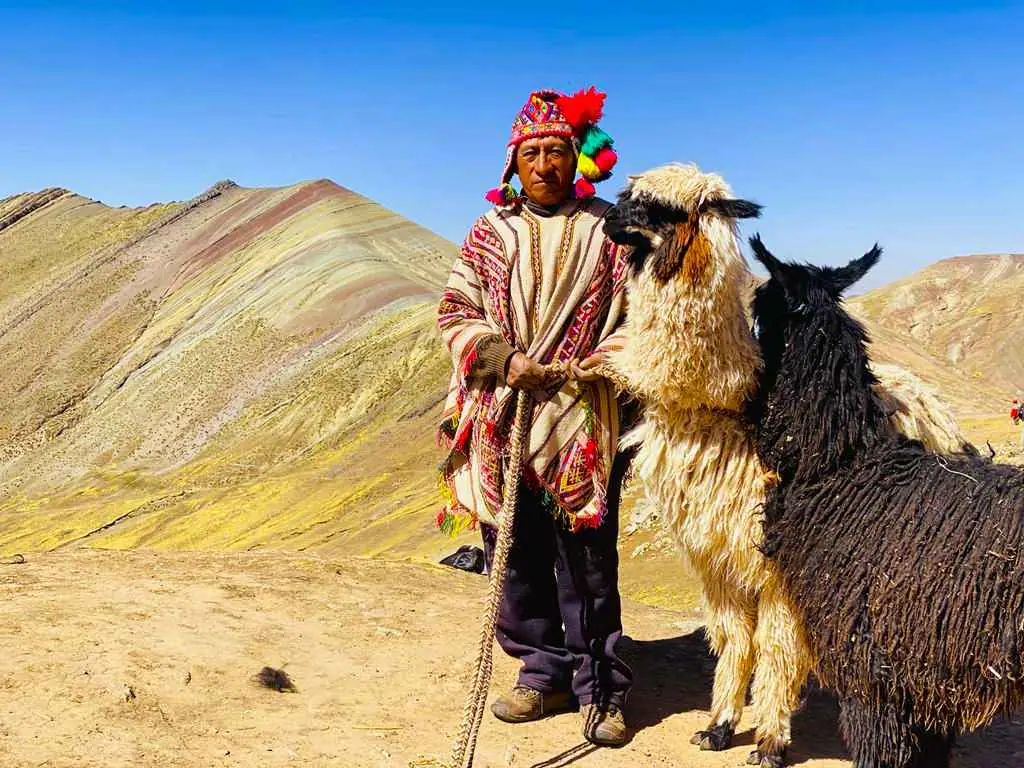
Third, trekking routes in the Cusco region are enriched by numerous herds of llamas, alpacas, and in many places vicuñas.
Fourth, almost every trekking route can be combined with various attractions, making getting to or returning from a trek even more interesting.
Besides, and this is extremely important, the city of Cusco itself is beautiful and can be enjoyed in many ways. All the more reason to stay here a little longer.
Trekking in Peru in the Huaraz region
Many people go trekking in the Huaraz area and spend most of their time there. Meanwhile, in my opinion, this region is ideal primarily for those practicing high-mountain climbing, not for those looking for interesting trekking options. With one small exception. That is the Huayhuash trek, which although long, is worth recommending.
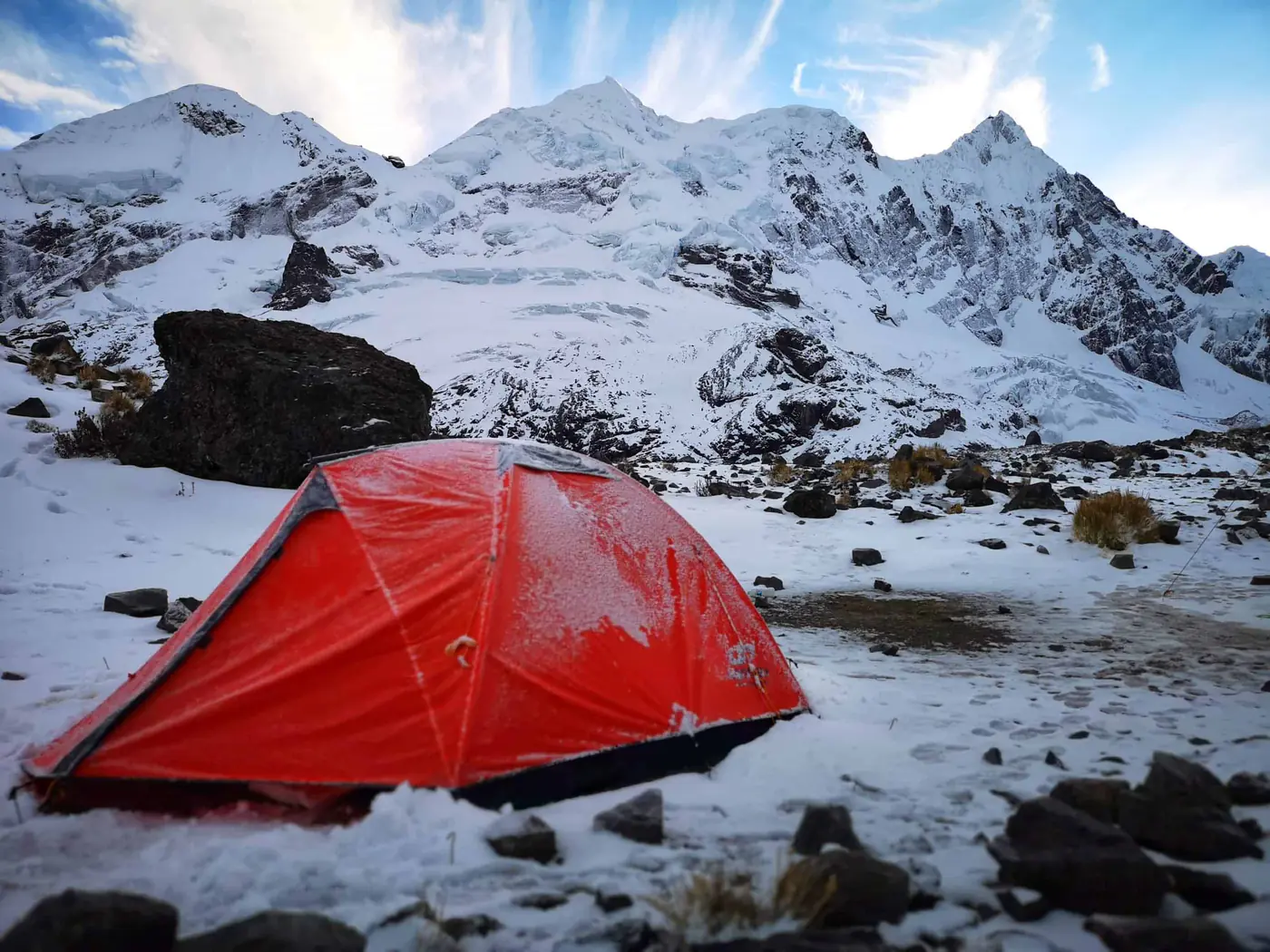
What else is there in Huaraz? You'll find many five- and six-thousanders here that you can climb, even without much experience. Therefore, if your main goal is high-mountain climbing, this region will be the best option.
However, if you dream of trekkings and maximum diversity, and at the same time have limited time, I would skip the Huaraz region. On commercial routes, you'll search in vain for llamas, alpacas, or Inca ruins. There are also not many non-trekking attractions. The town of Huaraz itself is not stunning. One could even say it's one of the less attractive towns in the country. And the journey to Huaraz takes an average of 8-9 hours one way. So it's worth thinking carefully whether to put this part of Peru on your "must do" list.
Trekking in Peru in the Arequipa region
And what about the Arequipa region? It's the second region after Cusco that I would choose for trekking.
Here you can climb one of the nearby volcanoes. We describe the three most interesting ones in the article Volcanoes in Peru possible to climb in the Arequipa region.
You can also do many interesting trekking routes in the Colca Valley. This is also where many people go trekking to the Colca Canyon, although I wouldn't count this route among the most beautiful. In the Arequipa region, you'll experience definitely more diversity and more additional attractions. And the city of Arequipa itself is charming. Be careful, because you can fall in love with it.
If you would like to spend your time in Peru in the most diverse and exceptional way, visiting the most beautiful places and combining them with trekkings, contact us. We will gladly design a trip for you that will be optimal in every respect,