Peru is a country increasingly and more willingly visited by tourists. And that makes me very happy, because it is a place ideal for almost everyone. The former Inca Empire can boast a rich, very interesting history, diverse culture, and all of this can be explored in the beautiful scenery of the coast, jungle, and mountains. I am sure that even the most demanding tourist will find something for themselves here.
However, there is something that tourists often forget after arriving in Peru. Namely, it's about the sun. Yes, the sun and the UV radiation associated with it!

Admittedly, we deal with it every day; sometimes it is our best friend, but it can also be our greatest enemy. It all depends on where we are at a given moment and what we are doing. Because either the sun makes our life easier, or it makes it somewhat or even very difficult. One thing is certain: you can't escape from it! It is also certain that too long exposure to it is not healthy! Therefore, we must learn to "fight" its negative effects.
Sunny danger – UV radiation
When anyone thinks about the sun from its negative side, they usually think about how not to get "burned" too quickly. Relatively less often do we think about other dangers from it. Meanwhile, it is worth remembering that UV rays are responsible not only for skin burns but are generally very harmful to it.
UVA vs UVB rays – what do we know about them?
As for UVA rays – they penetrate deeply into the skin, are not afraid of clouds, clothing, or glass. They penetrate through all these seemingly good barriers and cause deep cell damage, discoloration, premature skin aging, and consequently premature wrinkle formation. They can also contribute to skin cancer. They do not cause skin burns or pain. So it's a silent destroyer! This is precisely the danger from the sun that we most often forget about!
In contrast, UVB rays, which are responsible for our tan, penetrate much more shallowly into our body than UVA rays, only into the epidermis. However, apart from changing skin color – so liked and desired by many – they are the cause of all burns and skin pain. They can also contribute to skin cancer. It is easier to fight UVB rays because, unlike UVA rays, they do not penetrate barriers as strongly. If we get ourselves a hat and clothing, it will protect us from burns, but in no way will it protect us from those insidious UVA rays.
In summary, it is not enough to protect yourself from UVB rays. Worse, more dangerous are UVA rays – because you can't see or feel the results of their destructive power.
Now that we've talked a bit about rays, it's also worth mentioning other factors that contribute to the greater harmfulness of sunlight.
The sun becomes more dangerous with altitude. The higher we are, the more exposed we are to the harmful effects of rays. It is estimated that UVB radiation intensity increases by 4% with every approximately 300 meters of elevation. That's why it's much easier to get burned in the mountains.

The issue of the latitude where we are located is also not insignificant! The closer to the equator, the worse, because the sun is more intense. At the equator, it shines most intensely – for this reason, it is the most dangerous. As a result, all countries "sympathizing" with the equator are like sunny bombs. Among them is Peru, a country that, looking at a map, is literally a stone's throw from the equator.
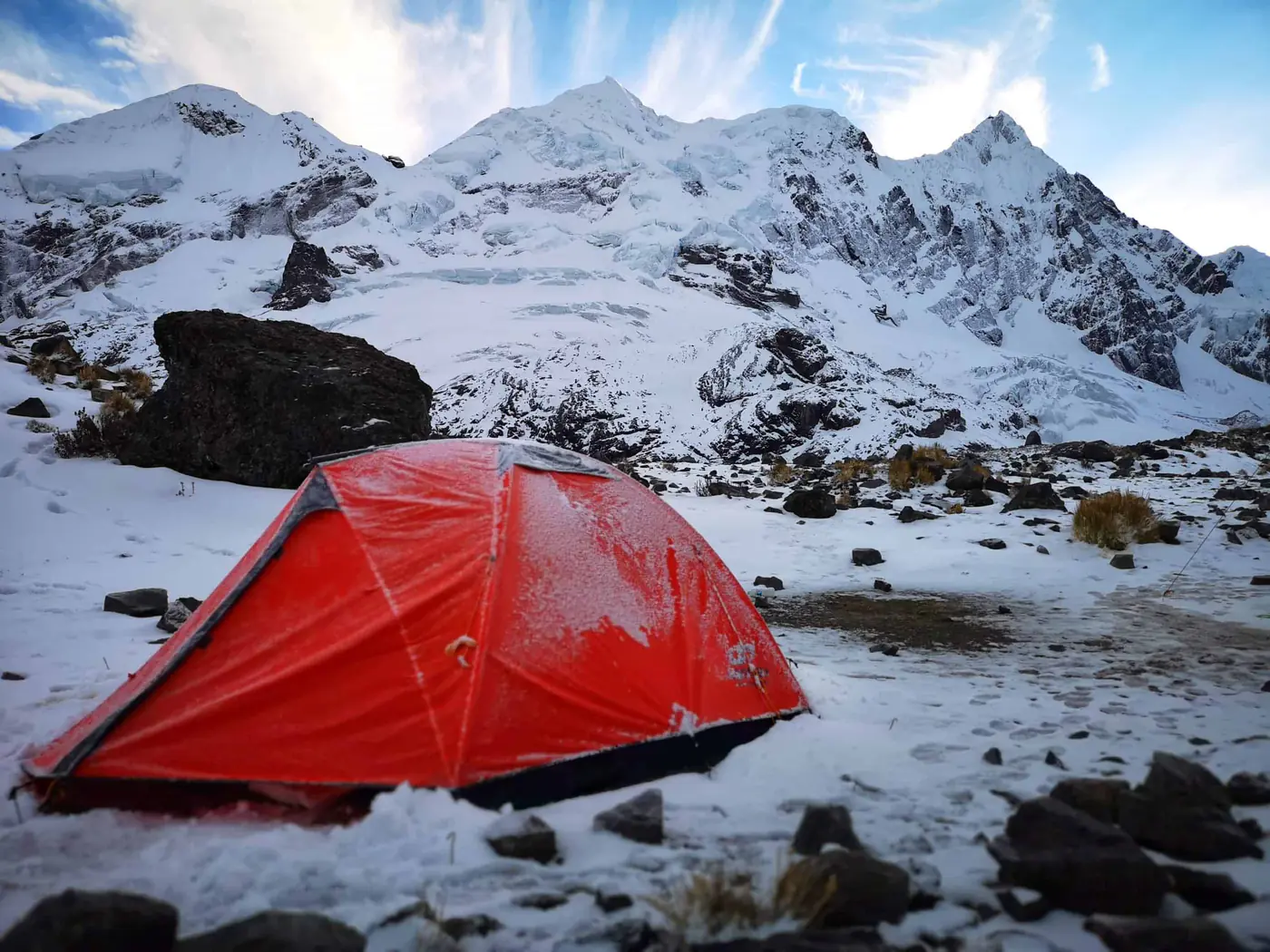
As it turns out, the type of surface also plays a part in the harmfulness of sunlight. When on snow, the reflection index is very high and amounts to as much as 85%, on sand it is 17%, in water 5%, and on grass 3%.

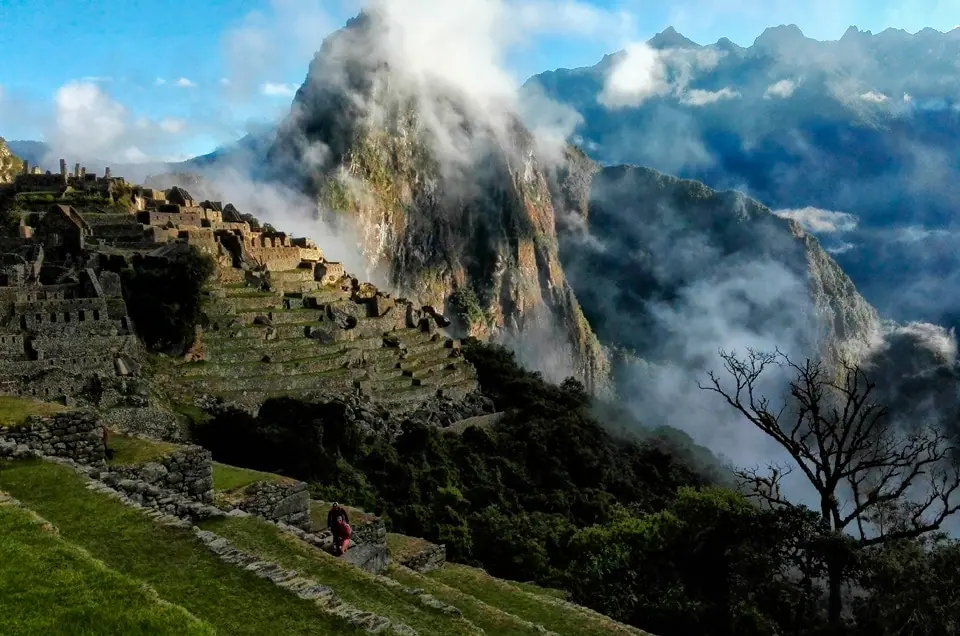
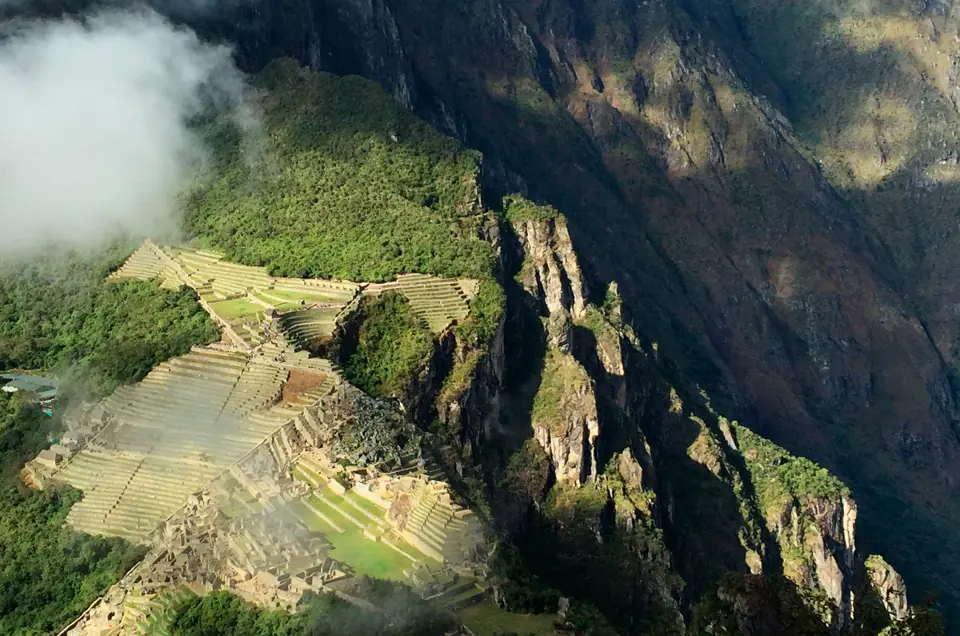
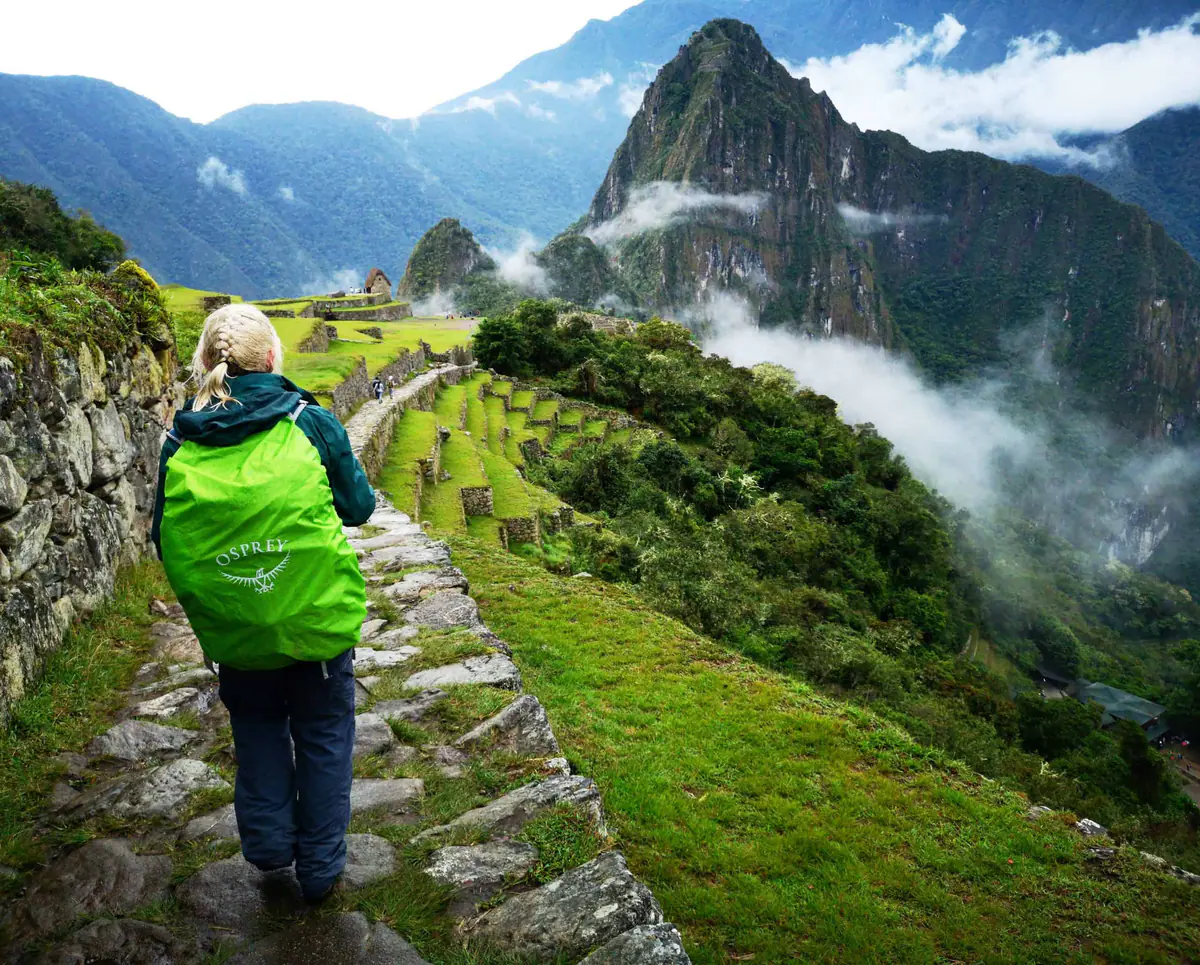
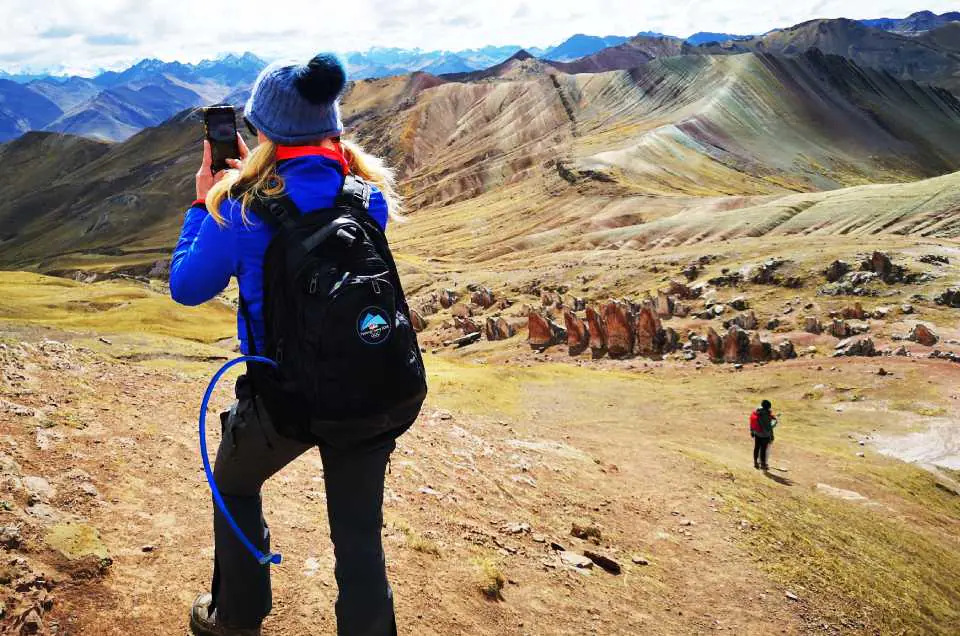
Targeting the Peruvian sun, it must be admitted that unfortunately it can do a lot of harm to our skin. As statistics show, many tourists choose as their destination in Peru, among others, the famous Machu Picchu and other attractions in the Andes region, i.e., at significant altitudes. Additionally, regardless of whether we are at high altitude or not, Peru is very close to the equator, which runs through neighboring Ecuador. And proximity to the equator is the least desirable option from the point of view of solar radiation. So, my dear friends, a sunny tragedy is much easier here.
A few words about my experiences with the Peruvian sun
I have been in Peru for some time now and I must admit that the sun has given me a hard time several times. I simply underestimated its strength several times and the effects were not pleasant. These unpleasant, because quite painful, experiences have taught me a lot, and currently I come out of every sunny "bath" unscathed.
However, I have the fortune, or rather in this specific case misfortune, to see tourists every day or almost every day returning from Machu Picchu or some other trip. There would be nothing strange about it if not for the fact that a significant portion of them return from their dream trips literally in a sorry state, i.e., I meet people burned by the sun or bitten by insects (this applies to those who chose the route to Machu Picchu through the jungle).
And so I wonder, looking at these "sun victims" – how can anyone inflict such suffering on themselves? And how can anyone, after inflicting such a fire on their skin, enjoy the next days of vacation? Because no one will convince me that it is easy and painless to walk in the sun in the following days after literally burning in that same sun the day before. In my opinion, it's impossible! It must hurt, or at least it must be uncomfortable. And how, under such conditions, can you fully enjoy further trips, sightseeing, and discovering new places, when the sun is constantly blazing, active, and ready to bring anyone to painful redness again.
And yet such a sunny tragedy can be avoided, and even in a fairly simple way!
Rule No. 1
The first and basic thing is sunscreen!
But not just any, i.e., it must be a cream with a high UV filter, and preferably even a very high one, protecting not only against UVB rays but also against UVA rays!
I constantly use Neutrogena cream (specifically the Ultra Sheer Sunscreen model) and I highly praise it. Before I found the right one, I tested many others that left much to be desired. Of course, every face is different and it may happen that something that suits one skin type won't suit another, so it's hard to say how this particular cream will work for each of you. Nevertheless, I share my experiences in this regard.
Returning to the cream, it would be unfair to say that travelers don't have creams. Oh yes, the vast majority of them have sunscreen and glory to them for that. There's just one small detail. Often this creamy protection is a UV filter with a maximum magic number on the packaging – 15. Unfortunately, such a weapon, especially in the case of fair skin, will not be enough against the Peruvian sun. To put the matter clearly, I'll say this: with such a filter, we will probably lose the fight against the sun's rays, and that will hurt!
In Peru and other countries near the equator, it is worth using creams with SPF filters of at least above 50.
But attention here! Buying the cream alone won't help!
Acquiring a (good) cream is of course an important step towards saving our skin, but that's not all. Practically, it may be only 10% of the success in winning against the Peruvian sun.
The next 90% is the so-called action. Namely, you still need to apply this cream to the areas exposed to the sun. And with this "action," as it turns out, it varies greatly. But the most important thing is to use the cream as often as possible. And here's the catch. Because it turns out that in this part of the fight, most of us give up. There is a fairly common belief that it's enough to apply the cream once a day – as if just for show, I guess? And there's another belief that if you can't see the sun, it's not harmful, and therefore you don't need to use the cream.
As for the first belief, of course, it is untrue. You need to rub the cream into your skin as often as possible. It's also best to apply it about 20-30 minutes before you emerge into the sun. I usually apply it every hour, at most every two hours. I have fair skin and as soon as I extend my time without cream, disaster is ready. I come home burned like a lobster.
Rule No. 2
Regardless of the cream, it's worth getting a good little hat.
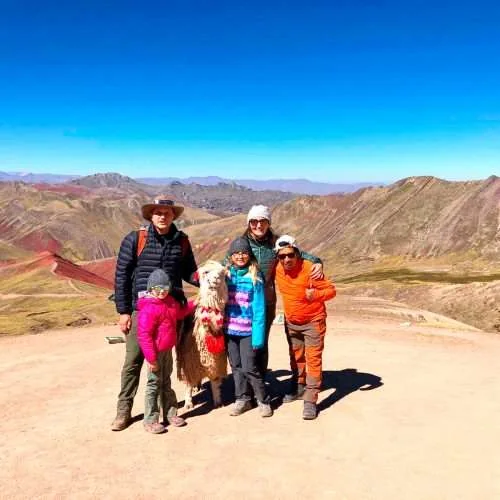
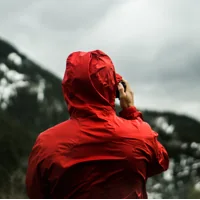
I recommend the biggest one you can find. I have one like in the photo. Bought in Cusco for 35 soles. Perfect, because it covers the whole face, neck, and it's thick, so it effectively protects at least against UVB rays. There's also a certain anecdote connected with this little hat, or rather my quite serious bicycle accident, but that's a completely different story.

Rule No. 3
Cream and a little hat is a lot, but for even better protection, I recommend UV-filter clothing. It may be slightly more expensive, but whenever our skin's health is at stake, the choice regarding stocking up on these "duds" should be easy. Because this protection, believe me, in the case of the Peruvian sun, is never too much.
Rule No. 4
Be sure to get good sunglasses. Remember that you only have one pair of eyes and, whatever else, you must and definitely should take special care of them.
Rule No. 5
If possible, although it may be difficult to accomplish, it's best not to stay out in the sun between 11 and 15. But I realize that this point is rather hard to follow, because after all, who wants to hide away on vacation in Peru? So I recommend applying at least rules 1 to 4 :-).
You'll surely save yourself a lot of pain, and you won't damage those precious little cells. Because it's worth looking young – for as long as possible!
What to do when the sun does burn too much?
Depending on the situation, the degree of sun marks on the skin, either try to treat yourself or go to a doctor. In Peru, it's enough to visit one of the numerous pharmacies (at least in towns). There you can count on help with many matters, including administering injections at the counter – in the case of, for example, the need to administer a strong antibiotic when some "bug" comes along J.
If the matter doesn't look too serious, but here you have to make the assessment yourselves, you can use one of the most popular and easily available natural products in Peru, i.e. aloe – known here as sabila.

It will certainly soothe any pain, cool the skin and help it regain its vitality. The price per piece of this magic remedy ranges from 1 to 2 soles – depending on the size. Available at almost every local market. However, it's worth remembering that before using this plant, you must first put it in cold water and wait at least a dozen or so hours. I received such a recipe for preparing aloe for use from Peruvian vendors. It's best to change the water every few hours, because at first it will indeed show a rather unappealing color. The water, from what I'm saying here, will extract compounds from the aloe – heavy metals, which are not too healthy for your health, and after such cleansing of the plant, it is suitable for medicinal use, including consumption. Because besides smearing yourself with aloe, you can also eat it. I recommend adding it to juices when blending in a blender.
VIDEO ABOUT ALOE/SABILA
https://www.youtube.com/watch?v=-ka6MnPdbRw
Sun in Peru, don't forget about it and its consequences!