
Today something delicious: potatoes in Peru 🙂 The harsh climate, frost, drought, and altitudes above 4,000 meters above sea level are no obstacle to growing something edible and extremely useful in this country! The people of the Andes in Peru and Bolivia know perfectly well how to use Mother Nature and the conditions she provides. Today, more about potatoes from Peru, and more specifically about one variety that Peruvians and Bolivians can store for up to 20 years. How is that possible?
Is it possible to grow anything at altitudes above 3,800 meters above sea level? It turns out that yes! In such areas, the land will produce, among other things, bitter potatoes (S. juzepczukii and S. Curtilobum). Without proper processing, they are not suitable for eating, but when processed correctly, they turn into a valuable product prized by the entire Andean community.
Potatoes in Peru: Chuño and Moraya
Two colors, a slightly different preparation process
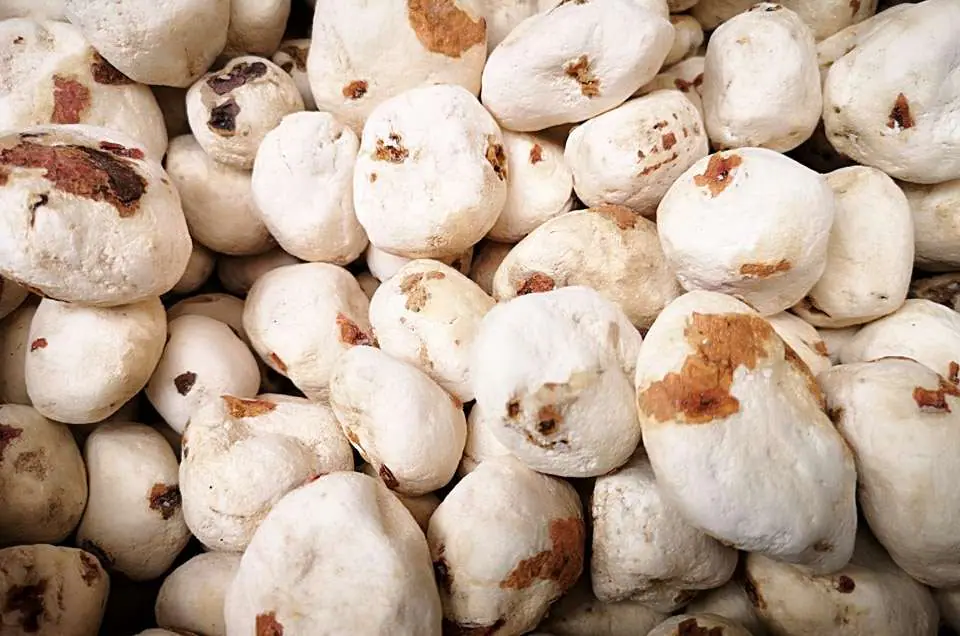
The potatoes that can be stored for up to 20 years are called chuño, tuna, or moraya in Peru. How do Peruvians manage to stop time for 20 years? They have a very simple and extremely effective method. It requires some effort and time, but it works for years.
Bitter potatoes have a higher content of glycoalkaloids, which are responsible for their taste. Without proper processing, they are not suitable for consumption. To make them edible, they must undergo a proper process that produces two types of edible potato: chuño (the black form of the potato) and moraya (tuna), the white form. Currently, due to growing market demand, white chuño is made not only from the bitter potato but also from popular native varieties and from "improved" varieties.
Potato processing in Peru – the practice
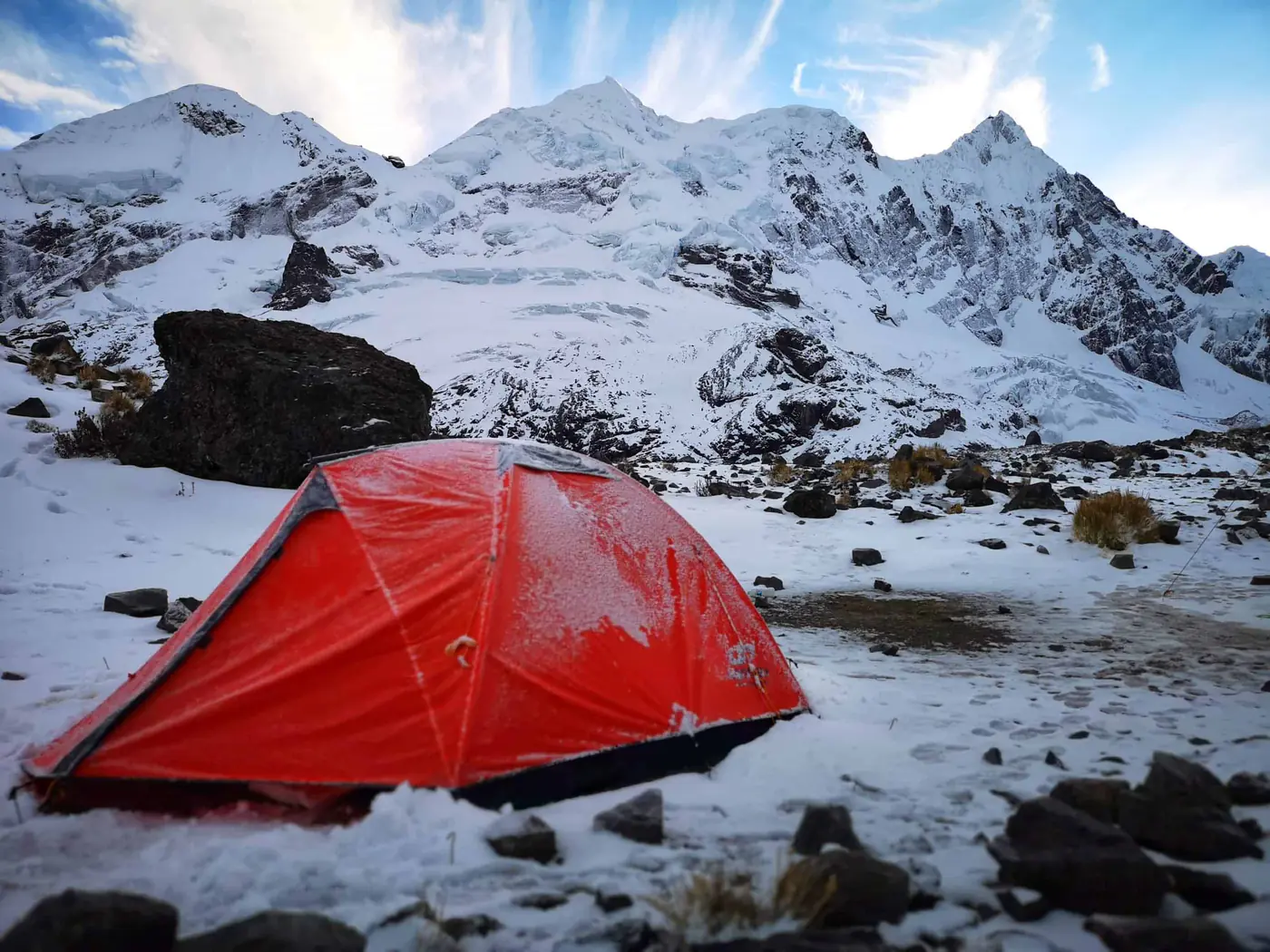
Chuño or moraya is obtained through a natural dehydration process. What does it involve? During the dry season in the Peruvian Andes, as well as in northern Bolivia, there is a very large temperature difference between day and night. During the day it is extremely warm, while in the evening the temperature drops below freezing. Such fluctuations are perfect for processing bitter potatoes. To obtain the white form of chuño, a bit more work is required, and we will describe that process below.
When June, July, and August arrive, everyone interested in obtaining moraya or chuño takes their potato stores out to the fields, where they spread them over huge areas and leave them for several days.
Thanks to the freezing temperatures at night, the potato tubers are frozen, while during the day they are exposed to strong sunlight. To prevent the potatoes from burning in the sun, they are covered with straw for five to eight days. During this time, the water in the tubers decreases naturally. Sometimes, to speed up the process, people walk on the potatoes during this period.
After this drying and freezing, the potatoes are then transferred to water – usually a river – and left there for about 20 to 30 days. Then the tubers are removed from the water and simply trodden on again! Why? To remove the remaining water. The goal is for our potato to ultimately turn into stone. After this process, the tubers are left in strong sunlight for another five to eight days, during which the potato is peeled so that it takes on a white color. And the delicacy for years is ready!
In the case of black chuño, the process is similar, except that there is no stage of transferring the potato to water.
See what the whole process looks like in the videos here and here.
What does moraya taste like?
It is definitely not one of my favorite products. For me, it smells too much like human feet 🙂 But it must be admitted that the inhabitants of the Andes love all dishes with chuño and moraya, praise them, and treat them as a remedy for strength and immunity. If you want to try dishes with moraya in a more tourist-friendly version, I recommend a small restaurant in Arequipa, where they serve various dishes made from local potatoes. There you will find, among other things, a dessert made from moraya – which, exceptionally, I also liked. You can find the details of the HATUNPA restaurant in Arequipa here.
You can read other interesting facts about potatoes in the article What connects Peru and potatoes? More than we might think!
What should be done so that our tuber, which after the process described above turns into stone, becomes suitable for eating again? We talk about these and other interesting facts during our trips. In fact, during some of them, we have the opportunity to cook a dish made from this form of potato, and then we discover all the secrets in practice and get to know the original flavors. We warmly invite you.