Before you come to Peru, we suggest you get to know some basic facts about this country. Peru Travel Guide – General Information is a concise set of the most important information, in our opinion, including the name of the Inca state, its location, area, population, official languages, currency, maximum and minimum elevations, etc. Just interesting facts in an accessible form. We invite you to read!
We'll start our Peru travel guide by explaining where the country's name came from. Although there is still no definitive answer to this question, there are several interesting theories.
First, let's note that "Peru" is definitely not a word of Quechua origin. The name was also unknown to the Incas. It was introduced by the Spanish conquistadors and rejected by the Indians, who did not want to use it. The word is most likely a distortion of the word "Piru" or "Biru".Before the final name of the former Inca Empire was established, there were several variants of this word: Virú, Birú, Berú, as well as Pirú, which appear in various documents. At least since 1523, and certainly since 1527, that is, at least a few years before the conquest of the Incas, the name Peru was already in use in Spanish circles.
Peru Travel Guide: Interesting Facts in One Place!
The most well-known and probable theories on the origin of the name "Peru"
Version one:
One of the main theories suggests that the name comes from the word "Biru" or "Piru", i.e., from the name of a chief (cacique) living in the area of today's Panama, near the Gulf of San Miguel. When Pascual Andagoya, in the years 1521-1523, was crossing the Gulf of San Miguel, he asked the local inhabitants for the name of the land he had reached. He was told "Biru" or "Piru". In reality, it was the name of the region's chief – the cacique. He even saved Pascual de Andagoya's life. From that time on, the Spaniards called the area of Panama – Peru (distorting the word "Biru" or "Piru"). Over time, the name came to describe everything located south of Panama, including the Inca Empire. Due to information about a land dripping with gold somewhere in the south, i.e., the Tahuantinsuyo Empire, the name "Peru" also began to be applied to that rich but as yet unknown land.
Version two:
In Peru there is a river called "Viru". Some claim that the country's name comes from this river. It is 89 km long and is located between Trujillo and Chimbote, in the La Libertad region.
Version three:
Others claim that the word "Peru" comes from the name of the city of Piura, located north of Lima, or from the Quechua word "pirua", which means a granary for grain.
However, it is difficult to accept the last two theories as correct. Why? The Spaniards used the name "Peru" at least since 1527 (and perhaps even since 1523), that is, before they reached the city of Piura within the borders of today's Peru (that happened in 1528), and before they reached the "Viru" River, located considerably south of the city of Piura, and before they had properly learned the Quechua language, from which they might have made transformations or adopted specific names.
When Francisco Pizarro conquered the lands of the Inca Empire (1532), they needed to be given a name. The conquistador initially opted for the name Tumbes, after the city he captured first. Alternatively, he was inclined to agree to the name of one of the largest cities of the Inca Empire, namely Cusco, or possibly Chincha. Ultimately, however, it was decided on the word "Piru" or "Biru", in a distorted version, as Peru.
Peru Travel Guide: General Information
Location of Peru
- Western part of South America
- Peru is the third largest country in South America
Countries bordering Peru
- From the north: Ecuador (border length: 1420 km) and Colombia (border length: 1800 km)
- From the east: Brazil (border length: 2995 km) and Bolivia (border length: 1075 km)
- From the south: Chile (border length: 171 km)
- From the west: Pacific Ocean (coastline length: 2414 km)
Area of Peru (Land & Water)
- Total area: 1,285,216 km²
- Land area: 1,280,000 km²
- Water area: 5,216 km²
Three regions in Peru
- 11.7% "Costa" – coast
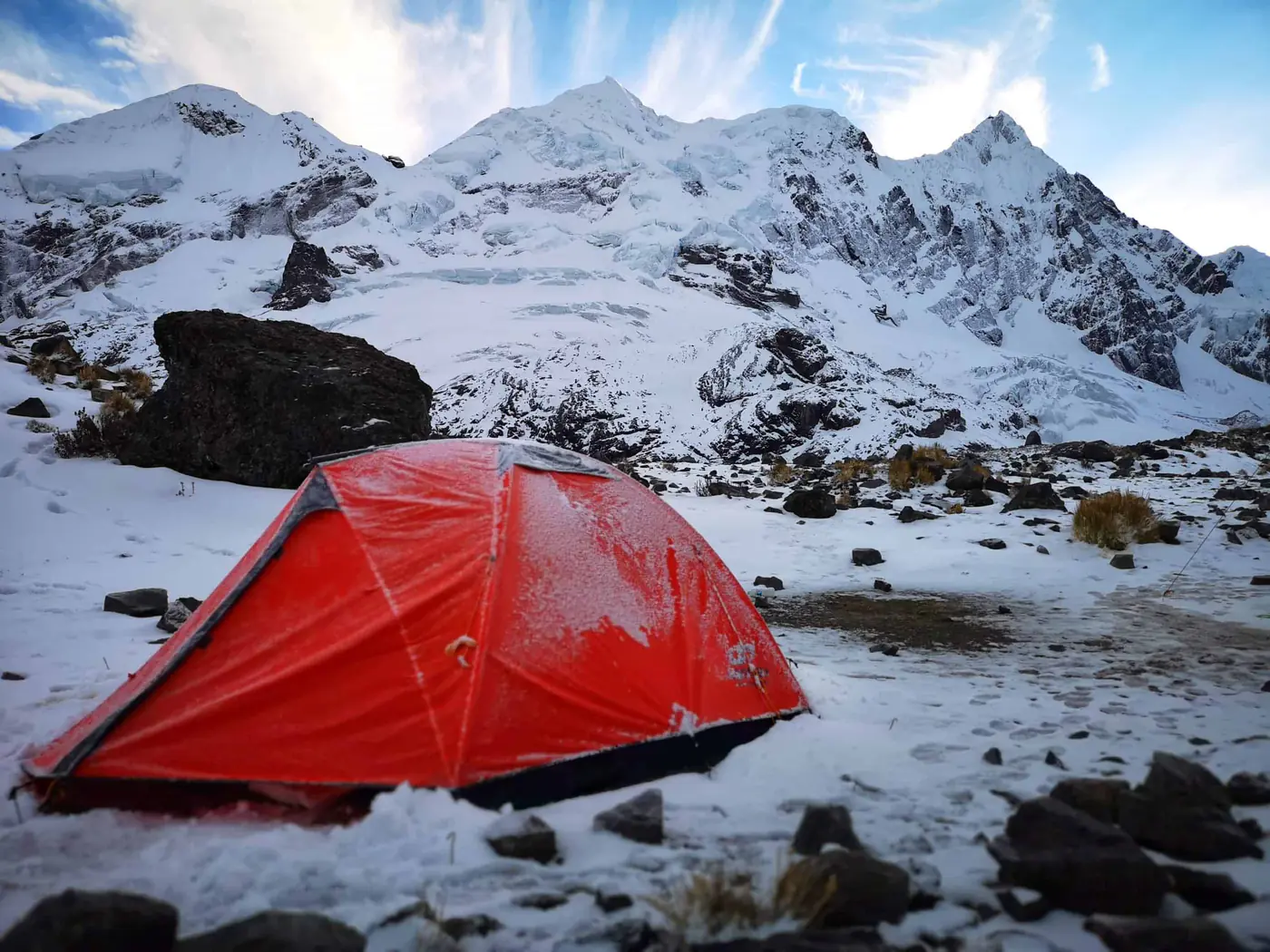
- 28.4% "Sierra" – mountains with the highest peak Huascaran 6,768 m above sea level
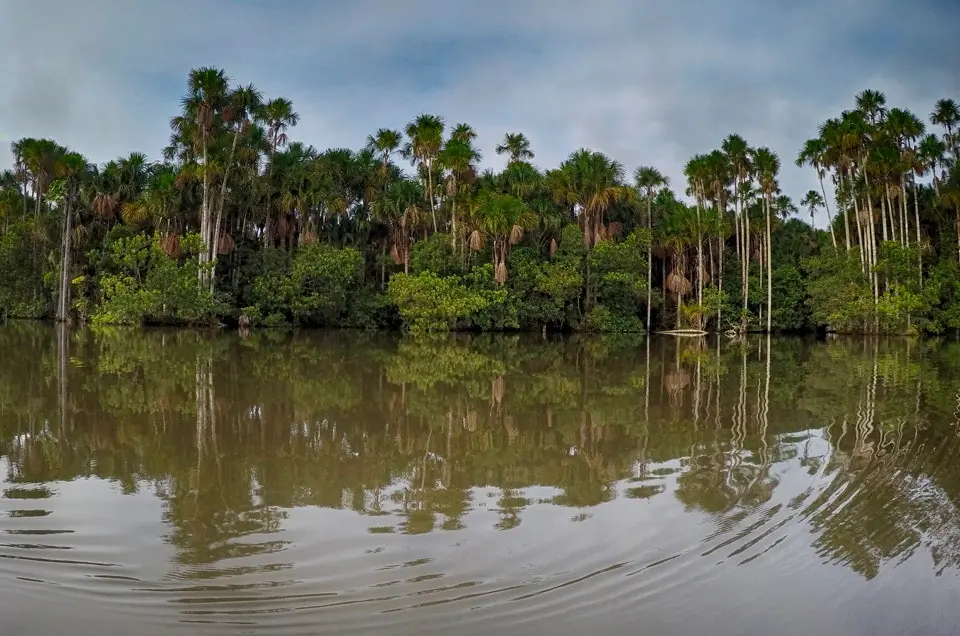
- 59.9% "Selva" – jungle
Extreme elevations in Peru
- Lowest point: Depresión de Sechura, also known as Depresión de Bayóvar (– 34 m below sea level), located near the city of Piura, Sechura Desert). It is the largest depression in Latin America.
- Highest point: Huascaran Peak 6768 m above sea level.
Population
- Peru: about 31,800,000
- Lima (capital): about 11,000,000
Official name of the country and capitals
- Republic of Peru
- Political capital of Peru – Lima
- Historical capital of Peru – Cusco
For some interesting facts about today's capital of Peru, including where its name comes from, read more in our article Lima City Guide? Part I
Currency and independence of Peru
- Sol
- July 28, 1821 (from Spain)
Form of government, constitution, and legal system
- Constitutional Republic
- Constitution of December 29, 1993
- Legal system based on civil law
- Executive power: Head of state: President Pedro Pablo Kuczynski since 2016. Elections: president elected by universal suffrage for 5 years. Cabinet: Council of Ministers appointed by the president and led by the Prime Minister
- Legislative power: Unicameral Congress of the Republic of Peru, with 130 seats. Members are elected by universal suffrage for a 5-year term
Administrative division of the country
- Peru is divided into 25 regions. Each region, every 4 years, elects local authorities, with a president and council. The Lima Province is governed by a city council. Regions are divided into departments, which are further divided into provinces.
Largest cities in Peru
- Lima: about 11,000,000
- Arequipa: about 960,000
- Trujillo
- Chiclayo
- Iquitos
- Piura
- Cusco: about 450,000
Main ports in Peru
- Callao, Paita, Salverry, Chimbote, Pisco, Ilo (on the Pacific Ocean)
- Iquitos and Pucallpa (Amazon River basin)
Ethnic groups in Peru
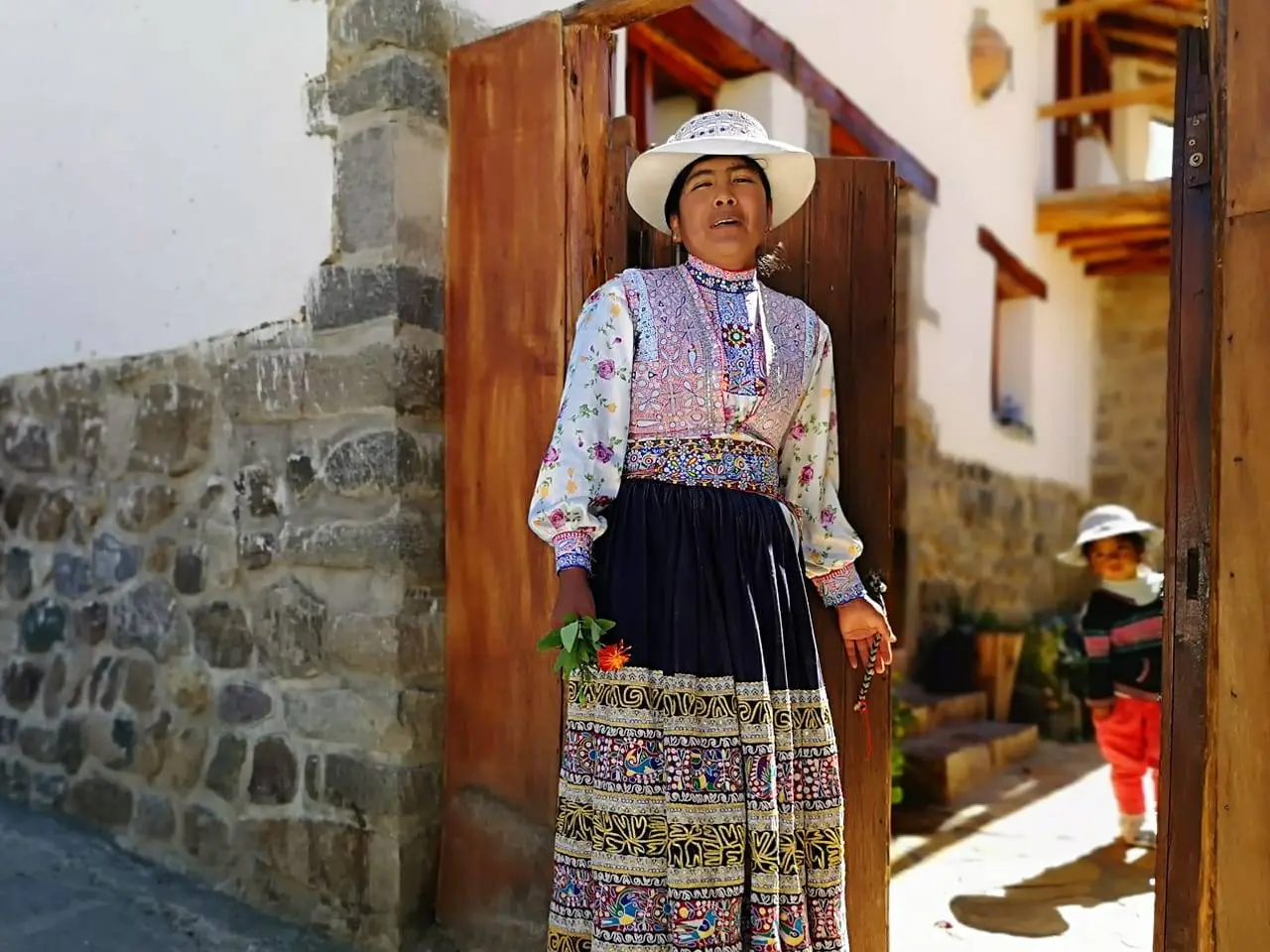
- 45% Indigenous
- 37% Mestizo (people with one parent being a native American (indigenous – Indian) and the other being white)
- 15% White
- 3% Japanese, Chinese, Black, and others
Official languages in Peru
- Spanish
- Quechua, Aymara, and other indigenous languages
In total, 47 indigenous languages are currently recognized in Peru, spoken by over 4 million people. Four of them are spoken by the Andean population, while 43 are spoken by the jungle population. The largest number, as many as 3.4 million Peruvians, speak Quechua (just over 12% of the population). Since colonial times, 37 indigenous languages have disappeared. Currently, 17 indigenous languages may soon disappear, and four more have practically almost vanished, as they are spoken by only 1 to 11 people.
Indigenous Languages Day is celebrated in Peru on May 27. Detailed information about indigenous languages in Peru can be found on the official website of the Ministry of Education here.
If you want to listen to music in Quechua, we recommend, among others, the singer Renata Flores. We wrote about her in the article Music from Peru and songs in Quechua performed by Renata Flores Rivera
Religions in Peru
- 81.3% Roman Catholic
- 12.5% Protestant
- 6.2% Other
This is just a small part of the general information about Peru. We hope that in time there will be much more and that our Peru Travel Guide has interested you :-). If you would like to share your interesting facts with us, be sure to leave a comment. If you think the article could be useful to others, share it!