Peru is an extremely interesting and intriguing country. You can find practically everything your heart desires here. At first, I was simply interested in the former country of the Incas, but now, the longer I stay here, that curiosity is turning into fascination. This doesn't mean that everything here is ideal, perfect. No! Like every place in the world, Peru has its pros and cons. But as it happens in life, we have free choice and either we will focus on the pros and notice what is beautiful, unique, interesting, or on the cons – then we will look at everything from a completely different side and perspective – rather also less attractive. And what interesting facts about Peru do you know? We invite you to our list 🙂

- View of the active Misti volcano in Arequipa
For now, during my stay in Peru I notice many positives and I focus on them. These include, among others, various interesting facts that I decided to gather into a certain whole and publish in one place. From time to time this LIST will grow, because there are more than plenty of these interesting facts :-).
Interesting facts about Peru
Did you know that …, that is, subjectively selected interesting facts about Peru
Peru has two capitals
The capital of Peru is Lima, but the Peruvian constitution also mentions a historical capital, and the city of Cusco has been designated as such.

- Plaza de Armas – the city center in Cusco
Namely, in accordance with Article 49 of the Peruvian Constitution (Constitucion Politica del Peru de 1993), Chapter I, Title II The State and the Nation "La capital de la República del Perú es la ciudad de Lima. Su capital histórica es la ciudad del Cusco."
Peru also has two Limas
Lima is not equal to lima, because one is the capital of the country, and the other is a fruit.
As for Lima as the capital of Peru, well, you either love it or hate it. Generally, if you don't have much time, it's better to avoid it. But if you have more time and someone who knows how to move around this colossal city, then it's even worth seeing Lima and getting to know it better. Who knows, you might like it…

- A fruit called LIMA
As for lima as a fruit, well, it's worth trying during a trip to Peru. The taste is somewhat strange, not very sweet, but when it comes to juice, for me it's pure delight. A refreshing drink, perfect for any weather!
Peru is a multilingual country
The official languages in Peru are the Castilian language, but not only. Quechua, Aymara and other languages are also recognized as official languages here, in accordance with the law. In accordance with Article 48 of the Peruvian Constitution (Constitucion Politica del Peru de 1993), Chapter I, Title II The State and the Nation "Son idiomas oficiales el castellano y, en las zonas donde predominen, también lo son el quechua, el aimara y las demás lenguas aborígenes, según la ley".
Peru ranks third in Latin America in terms of UNESCO-listed sites
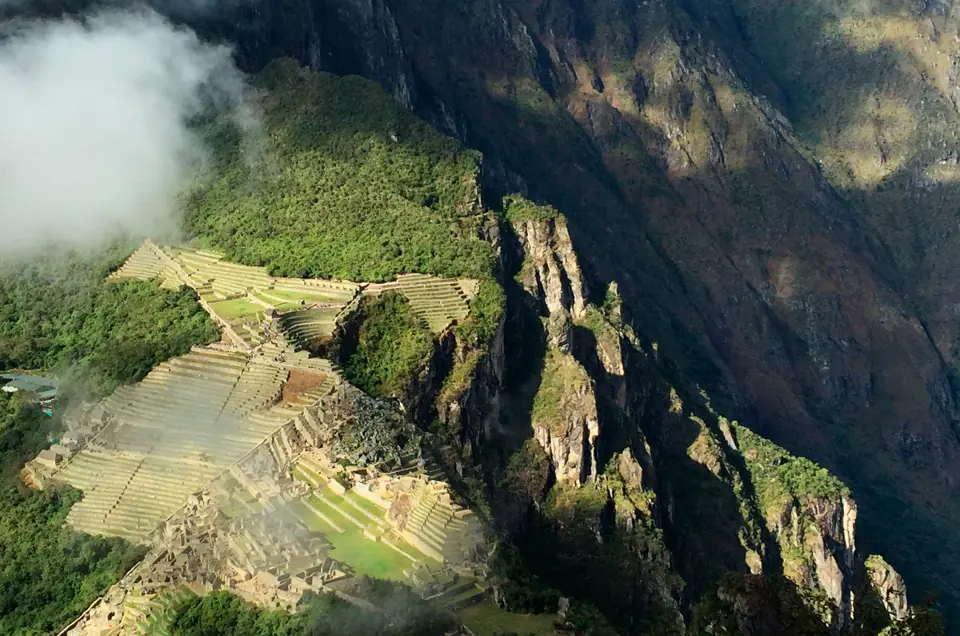
Peru is one of the richest countries in Latin America when it comes to the number of sites inscribed on the UNESCO World Heritage List. The former country of the Incas currently has 12 of them. In this category, only Brazil (19 sites) and Mexico (33 sites) are ahead. You can read about Peruvian and Polish sites on the UNESCO list here.

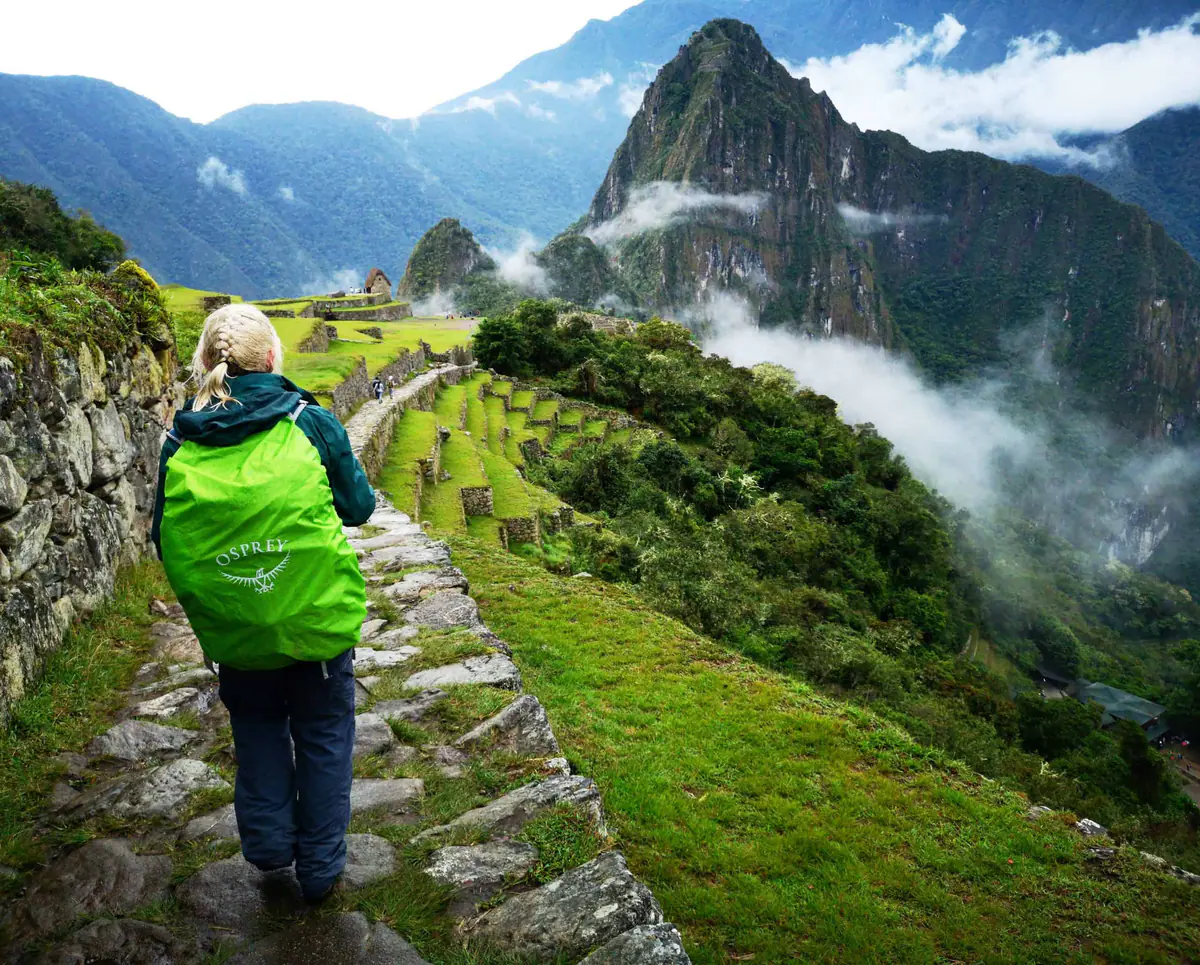
- Machu Picchu
Peru has the longest river in the world
Peru is a generally sizable country, definitely larger than Poland, the third largest in South America after Brazil and Argentina. However, in the category of river length, it is Peru, and not any other country on the globe, that takes the honorable first place. That mysterious river is the Amazon, which won the race for the longest river in the world against the Nile. But that's not all. The discovery of the above fact is thanks to Poles, and more precisely primarily to groups led by Piotr Chmieliński and Jacek Pałkiewicz. Of course, the issue of the Amazon's length is one of the most controversial matters and new information keeps appearing about new sources of the river, discovered by other teams. For now, however, in the absence of official data, we stick with the Polish names.

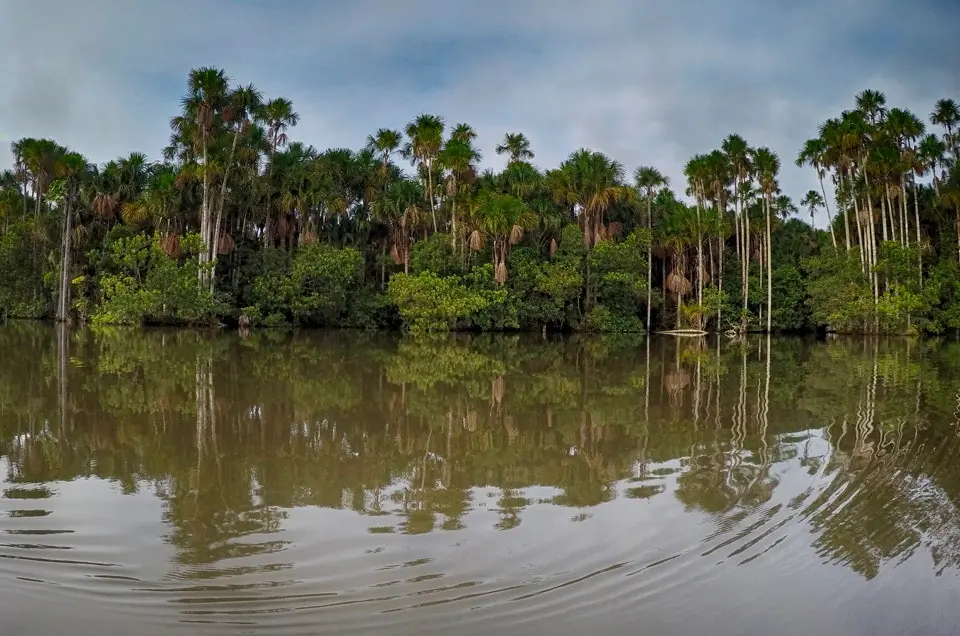
- View of the Amazon
The highest peak in Peru is the fourth largest mountain in both Americas
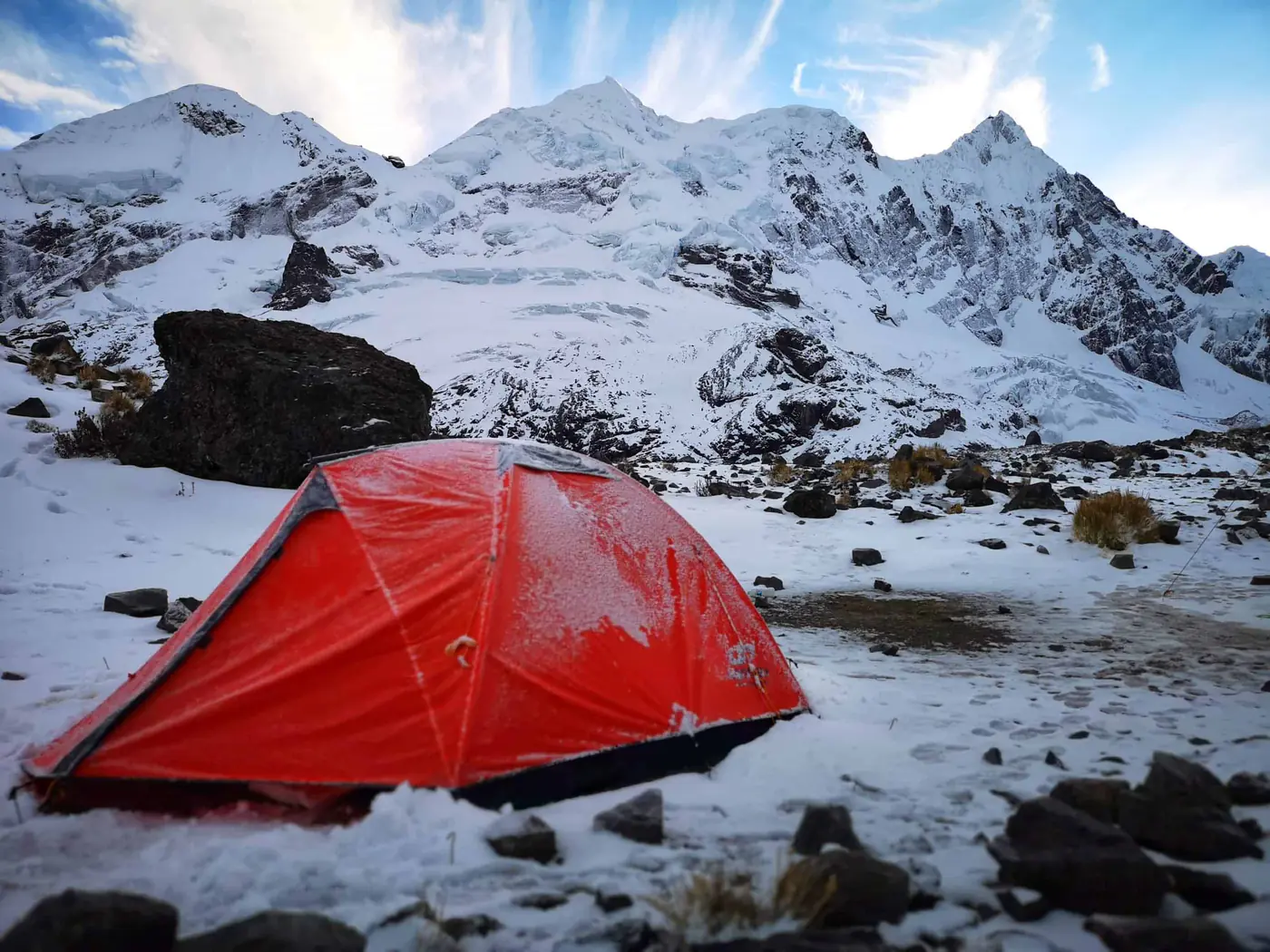
The highest peak in Peru is Huascaran. It is located in the Huaraz region, about 8 hours by bus from Lima, and it is quite high, as it reaches 6,768 m above sea level. The name of the mountain comes from the sixteenth-century ruler of the Inca Empire, Huáscar.

- View of the highest peak in Peru – Huascaran
The highest located city in the world is located in Peru
We are talking about La Rinconada, a town at an altitude of 5,100 m above sea level, located in the Puno region. It is the highest located city in the world, additionally with gold mines. For curiosity, the next largest towns are located in Tibet at altitudes of 4,870 and 4,735 m above sea level.
The largest city in the world made of so-called adobe brick is also located in Peru
Chan Chan, because that is what we are talking about here, is a unique city. It is not only the largest pre-Columbian city in South America, but also the largest adobe brick city in the world. Chan Chan is located in the La Libertad region, in the vicinity of the city of Trujillo. This is exactly where the capital of the Chimú culture was located. The city was built around 850 AD. On November 28, 1986, Chan Chan was inscribed on the UNESCO list.

- One of the largest adobe brick cities in the world, Chan Chan
In Peru there are 3 regions: Costa, Sierra and Selva. Do you know what constitutes the largest part of the country?
Most of Peru's territory, i.e. about 60%, is occupied by the jungle, that is Selva.

- During an expedition to Machu Picchu
The city of Cusco is in seventh place in terms of size
The three largest cities in Peru are: Lima, Arequipa and in third place Trujillo. Iquitos – an important tourist port is located just before the definitely most popular city in Peru – Cusco, that is in sixth place.
Peru and surfing
Peru is not only an excellent place for high-mountain expeditions or trekking, but also a great country for surfing enthusiasts. It turns out that in the former Inca Empire you can catch the best and highest waves. And where? First of all in Pacasmayo and Chicama. You can read about what you can expect in Pacasmayo here.

- Pacasmayo – a city visited by crowds of surfers
The Peruvian desert, what is unique about it?
It is on Peruvian soil that the highest dune in the world is located – Cerro Blanco. It is a challenge for anyone who visits the vicinity of Nazca. The height is impressive – 2,078 m above sea level.
The Peruvian kingdom of the potato
Peru is a paradise for potato connoisseurs. This is where its origins should be sought. In the times of the Incas, about 1,500 varieties were known on Peruvian lands, while today over 3,000 are cultivated here, and according to some data there are even 3,800 of them.

- Peruvian potatoes in every color
Peru has super coffee
Peru is in the strict top ten of the largest coffee producers in the world. It is worth knowing that coffee beans come from Africa and reached Peru relatively late, in the 19th century. Coffee cultivation itself became common here only in the 20th century, when coffee began to be cultivated on a much larger scale in place of coca. Currently, this sector is very well developed in Peru, thanks to which this country has become one of the main players on the world coffee market. Importantly, Peru is one of the largest producers of organic coffee.

- Peruvian coffee in the jungle
The national animal of Peru is…
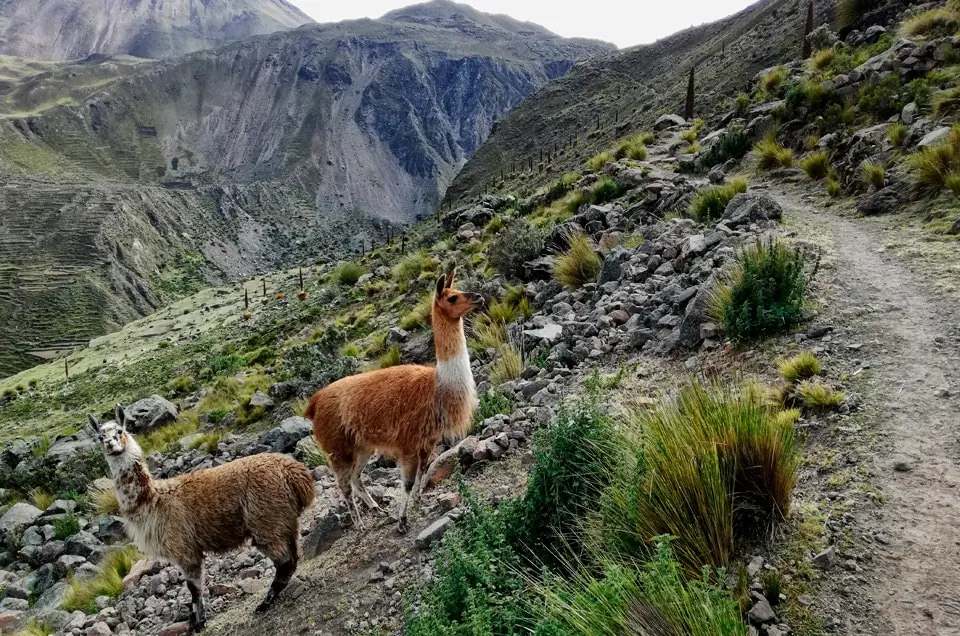
The vicuña. On the coat of arms of Peru there are several symbols, one of them depicts an animal – the vicuña. It is the smallest animal of the camelid family, somewhat similar in appearance to llamas and alpacas, which are equally popular in the country of the Incas. But definitely of all three, it is the vicuña that is the most noble. It also provides the highest quality wool. Clothing made from the wool of this mammal is the most expensive in the world. Vicuñas live about 20 years and have never been domesticated. Currently they are on the verge of extinction, due to man, who constantly has them in his sights.
A unique hairless dog also comes from Peru
We are talking about Perro sin Pelo, which literally means a dog without "hair". It is a unique animal. Initially it aroused some surprise and reluctance in me, but over time I began to see only advantages in this breed. If only I had the conditions, I would certainly get myself a PERRO SIN PELO. You can find more about this breed in my article here.

- The famous hairless dog, that is perro sin pelo
The Peruvian national dance is…
Marinera. This dance occurs in two varieties – limeña (more elegant) and – norteña (with a faster tempo). Both styles are popular throughout Peru. Every year in Trujillo, in northern Peru, a nationwide marinera competition is organized. The name "marinera" was given in honor of the Peruvian navy in 1879, during the so-called War of the Pacific with Chile.
Peru, as the first country in South America, founded a newspaper
The oldest newspaper in South America comes from the former country of the Incas. It was founded in Lima in 1825 and is called El Peruano.
Peru is a country famous for herbs
Muña, that is Andean mint, is a fairly aromatic herb originating from the Peruvian Andes. Local communities use it for all kinds of stomach ailments, as well as to maintain healthy bones and teeth. This Andean plant is also used in some dishes, such as the very popular dish Pachamanca. Muña is also often used to alleviate the effects of altitude sickness. Muña is also used to preserve potatoes, as can be seen in the photo below. Thanks to such protection, oca (a type of potato) is able to survive for several months.

- A type of potato – oca covered with herbs called muña
Peru has its own, very healthy oils
Sacha Inchi is a special type of seeds, cultivated in the Amazon for hundreds of years, from which high-quality oil is made. Sacha Inchi oil contains a high level of unsaturated fatty acids, such as omega 3, 6 and 9, and is rich in iodine, vitamins A and E. It is used in many local dishes. Both the oil and the seeds have many health benefits. They help lower blood pressure and cholesterol levels, lower blood sugar levels, ensure better calcium absorption, alleviate symptoms of depression, improve mood and problems with hyperactivity. Sacha Inchi oil is also widely used in the cosmetics industry, as it rebuilds and protects the skin, hair and nails.

- Sacha Inchi seeds
Peru has its own corn beer
Beer is not equal to beer. One thing is certain, in Peru a special variety of it is produced, from a special type of corn. Chicha de jora, because that is the name of the typical Andean beer, is created in the process of fermenting corn called jora. You can find more about this beverage, as well as information on how to find it, in my article here.
Peru also has its national alcohol, namely Pisco
Pisco (Aguardiente de Pisco) is a source of pride and joy for Peruvians. It is a fairly strong drink, with an alcohol content between 38% and 48%. It is obtained by distilling white and pink strains of specific grapevines grown mainly in the Ica, Lima, and Tacna regions.
Pisco is the main ingredient of the most popular cocktail in the country called Pisco Sour. It is a delicious combination of Pisco, lime juice, egg white and syrup, sugar or honey.

- Pisco Sour in all its glory
Pisco, as well as the cocktail with its participation, have their own holidays. The first Saturday of every February is the official Pisco Sour day, while on the fourth Sunday of every July, starting from 1999, Pisco day is celebrated in Peru.
The typical non-alcoholic drink in Peru is chicha morada
Chicha Morada is made from purple corn, known as maiz morado, and is popular practically throughout the entire country. It is usually prepared with an admixture of other fruits and Peruvian lemon is added.

- La cusqueñita restaurant in Cusco and chicha morada
Peru's cultural heritage includes, among others, a beautiful ballad…
Specifically El Cóndor Pasa (The Flight of the Condor or The Flying Condor). The ballad was composed in 1913 by Daniel Alomía Robles. In 2004, the government of Peru declared "El Condor Pasa" as the cultural heritage of the nation. The original lyrics of the song are written in the Quechua language, which was used in the Inca Empire. The singer calls upon the mighty Andean condor to carry him back to the ancient kingdom of Machu Picchu.
There are many more interesting facts about Peru. We write about more of them here.