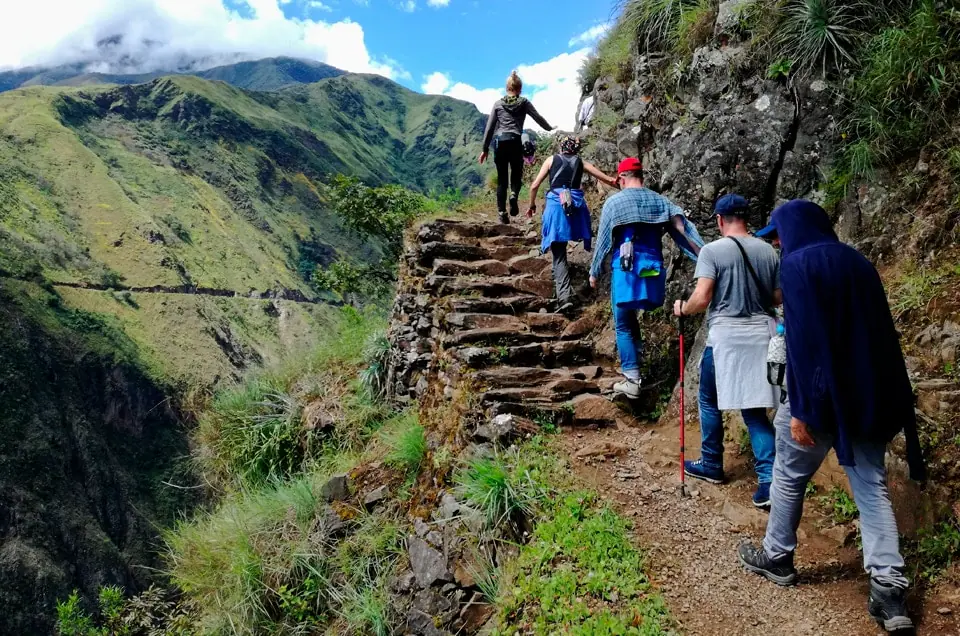
You are surely familiar with the saying: “All roads lead to Rome”? The same formulation can be applied to a completely different continent, a different country, and a different period of time. In the case of the Inca Empire, one could say that “all roads lead to Cusco”? Have you heard of Qhapaq Ñan? It is a gigantic road system in South America that has been inscribed on the UNESCO World Heritage List. During the Inca reign, all roads led precisely to Qosqo, the most important metropolis of South America. Qosqo means navel, center, meeting point. In the 15th century, it became the main center of power, connected to all conquered regions by an impressive network of roads! What were the purposes of creating thousands of kilometers of routes, synchronized with the city of Cusco? Where in Peru can you walk along one of them? We invite you to read on!
The Inca Road System Qhapaq Ñan – a paradise for trekking lovers
Qhapaq in the Quechua language means mighty, prosperous, royal, while ñan means road. Qhapaq Ñan can therefore be translated as the network of main roads or the network of royal roads. It is one of the most advanced engineering works created (or more precisely, implemented) in the 15th and 16th centuries within the territory of the Inca Empire. An expression of power, strength, control.
This unique network, built over more than 2000 years by pre-Inca cultures and by the Incas, due to its length, location, and character, was recognized by UNESCO and inscribed on the World Heritage List in 2014. Qhapaq Ñan – the Andean Road System, is a manifestation of important processes of exchange of knowledge, cultural traditions, goods, and communication between people and territories.
This system is owed to the Incas, as they gave it exceptional significance and character and expanded it to the maximum. During the formation of the Inca power, as part of a great political, military, ideological, and administrative project, the existing road sections were unified and expanded. Those already existing, as well as those created by the Incas, were connected into one coherent, functional whole, giving them new character and meaning. Starting from Cusco, Qhapaq Ñan allowed movement to the 4 regions into which the Tahuantinsuyo Empire (Inca Empire) was divided. It connected the city of Quito in Ecuador, in the north, with Santiago in Chile, in the south of the then empire.
The Inca Road System Qhapaq Ñan – main purposes
The Andean Road System was intended not only for the movement of people or animals but also to integrate the smaller ethnic groups conquered by the growing Inca state. Thus, the role of this gigantic communication network was to control the entire conquered territory as well as to centralize all regions. It was also one of the main ways for the spread of the Quechua language, culture, and religion.
What deserves attention and immense respect is the fact that this communication hub, covering a total of 6 countries: present-day Peru, Bolivia, Ecuador, Colombia, parts of Chile and Argentina, was created in times of very limited technology and in many places – under very difficult geographical conditions.
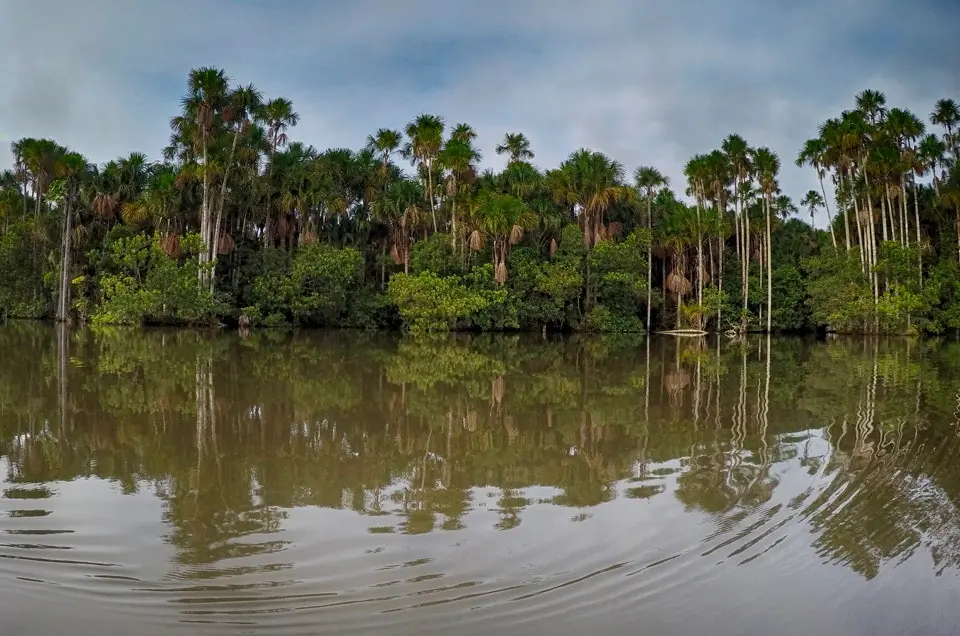
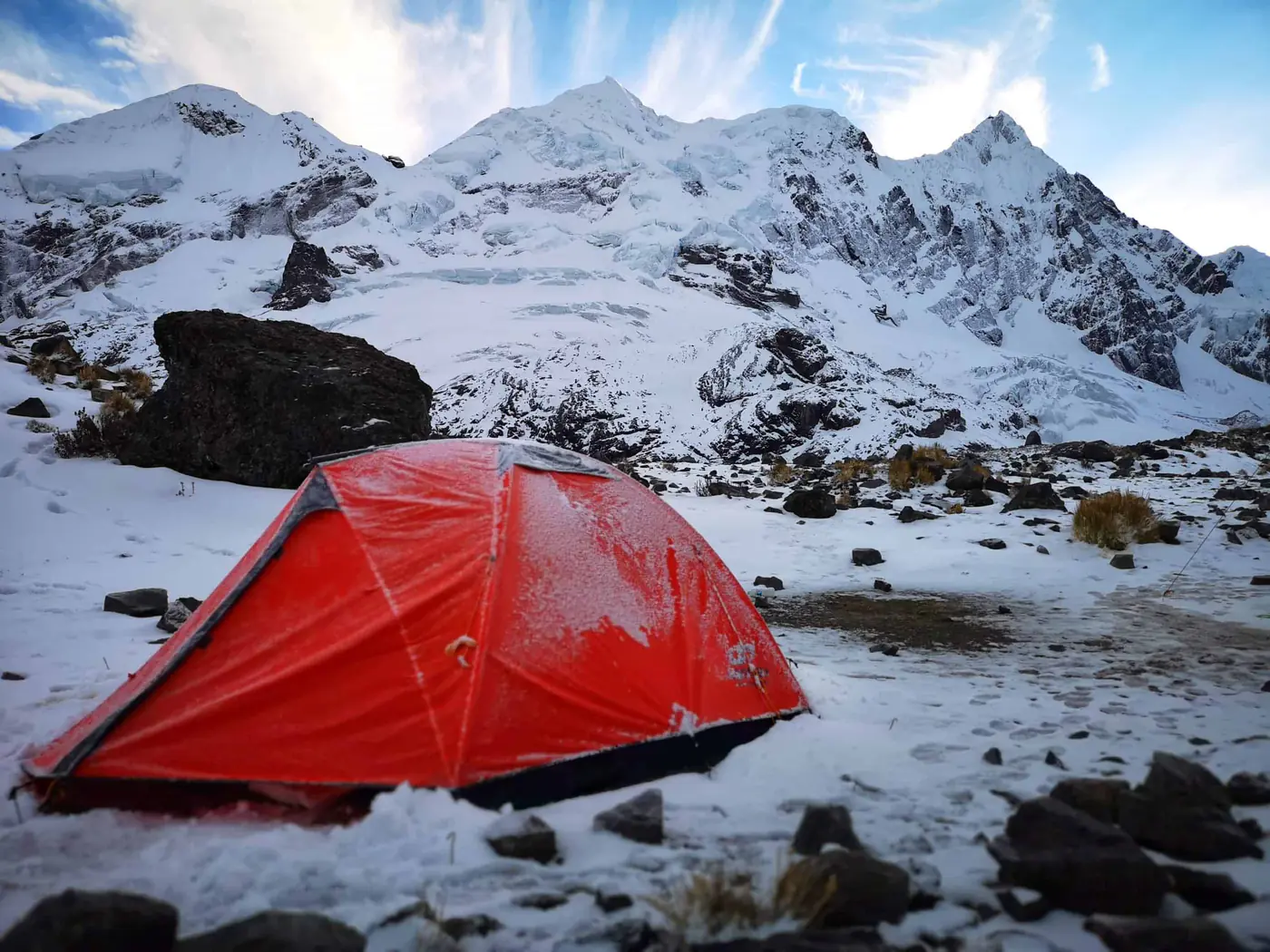
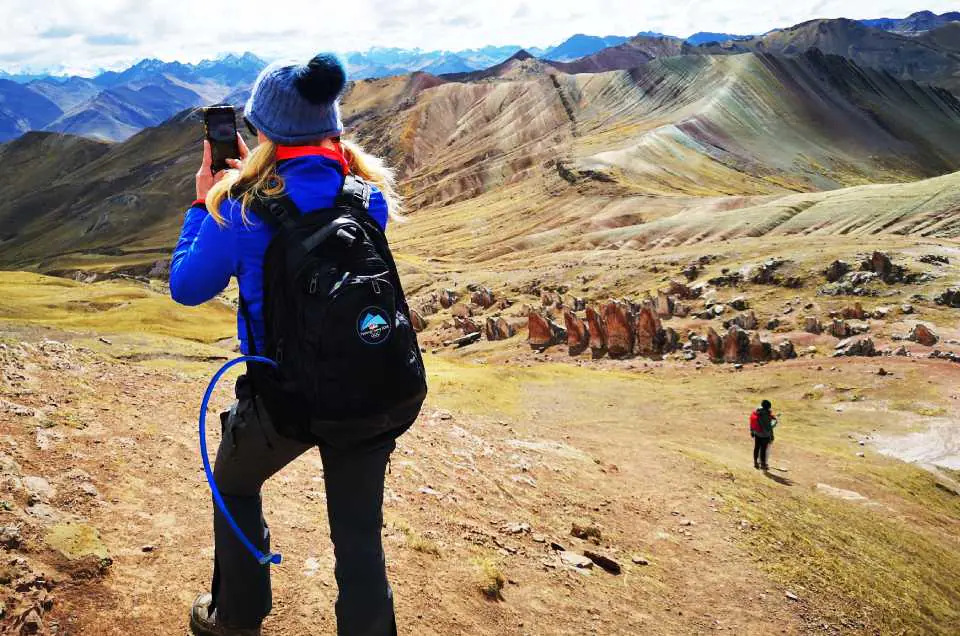
The routes lead through desert areas, through the Andes, and through the jungle, that is, practically from sea level to 6000 m above sea level. Some are narrow, others wide; some are stony, others not. They run through such different climates and landscapes that it is impossible to resist them. They were shaped to connect all residential centers, administrative, military, agricultural, and ceremonial centers. I love traversing them, discovering them. You will find on them, among others, a series of ruins of cities, towns, or rest places called tambos, as well as on one of them a unique suspension bridge that functions to this day. Details about it can be found in the article “The Inca Bridge Qeswachaka, or the most beautiful attractions in Peru!“
How many kilometers does the entire system cover?
No one knows exactly. It is indicated that the length of all routes significantly exceeds 45,000 km. Some even say 60,000 km. For comparison, the Roman road system was just under 80,000 km. If the claims of at least 60,000 km of roads are confirmed, which is more than likely, one could say that the Inca network is just as impressive as that of Rome. And perhaps even more impressive, as it was created, among others, in extremely diverse and difficult climatic and geographical conditions.
You can also read more about Qhapaq Ñan here.
Our recommended Inca trail sections in the Cusco region
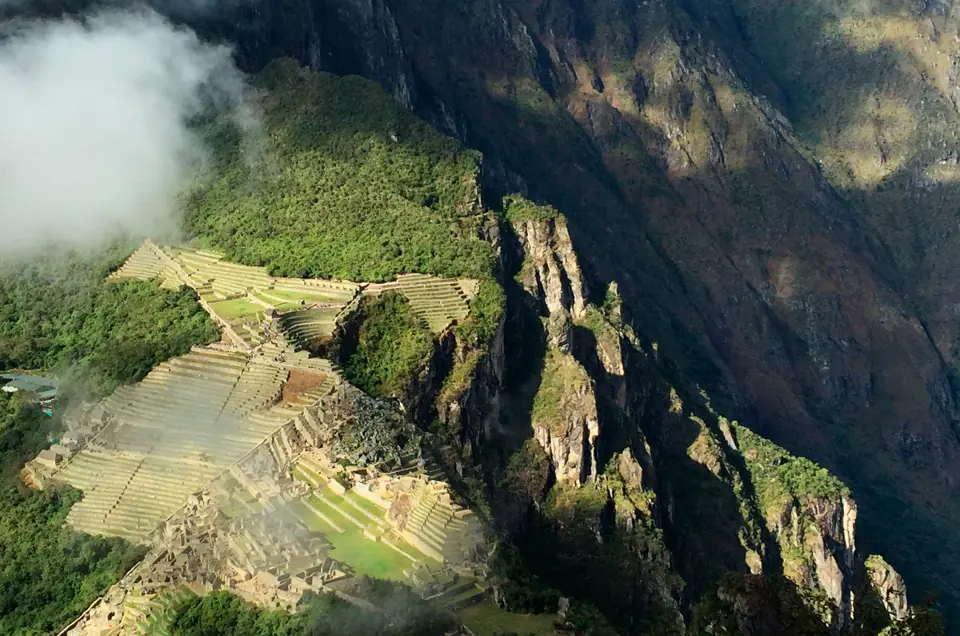
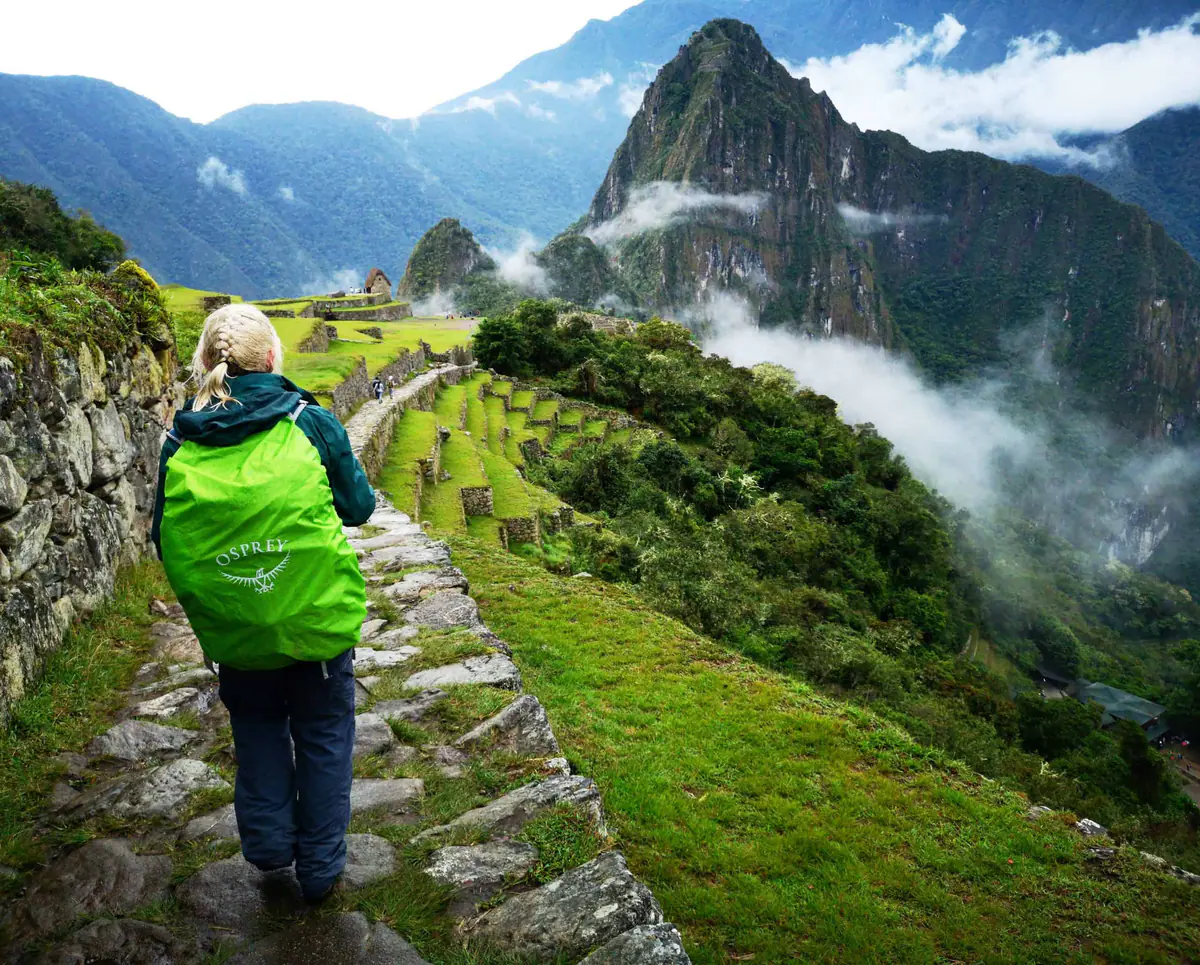
Among the most popular routes that are part of the Inca road system is the famous route – Camino Inca (Inca Trail), leading from the area of the town of Ollantaytambo to Machu Picchu. Currently, this route is under strict control and can only be traversed as part of purchases from appropriate tour operators. These must be booked in advance, even 6-7 months, because entry to the trail is subject to daily limits.
Other routes that do not require booking several months in advance, nor such large financial outlays, include the route from Cusco to Huchuy Qosqo, or the secondary network of Inca trails located on the section leading to the famous Inca bridge Qeswachaka.
But you don't have to look far! In Cusco itself, you can walk along an Inca trail, and even the main one. Just head a little outside the city, towards the Temple of the Moon, next to which one of the four main roads passes, leading directly to the central square – Plaza de Armas. It is called Antisuyu and leads to the Peruvian jungle (to one of the 4 regions of Tahuantinsuyu named Antisuyu).
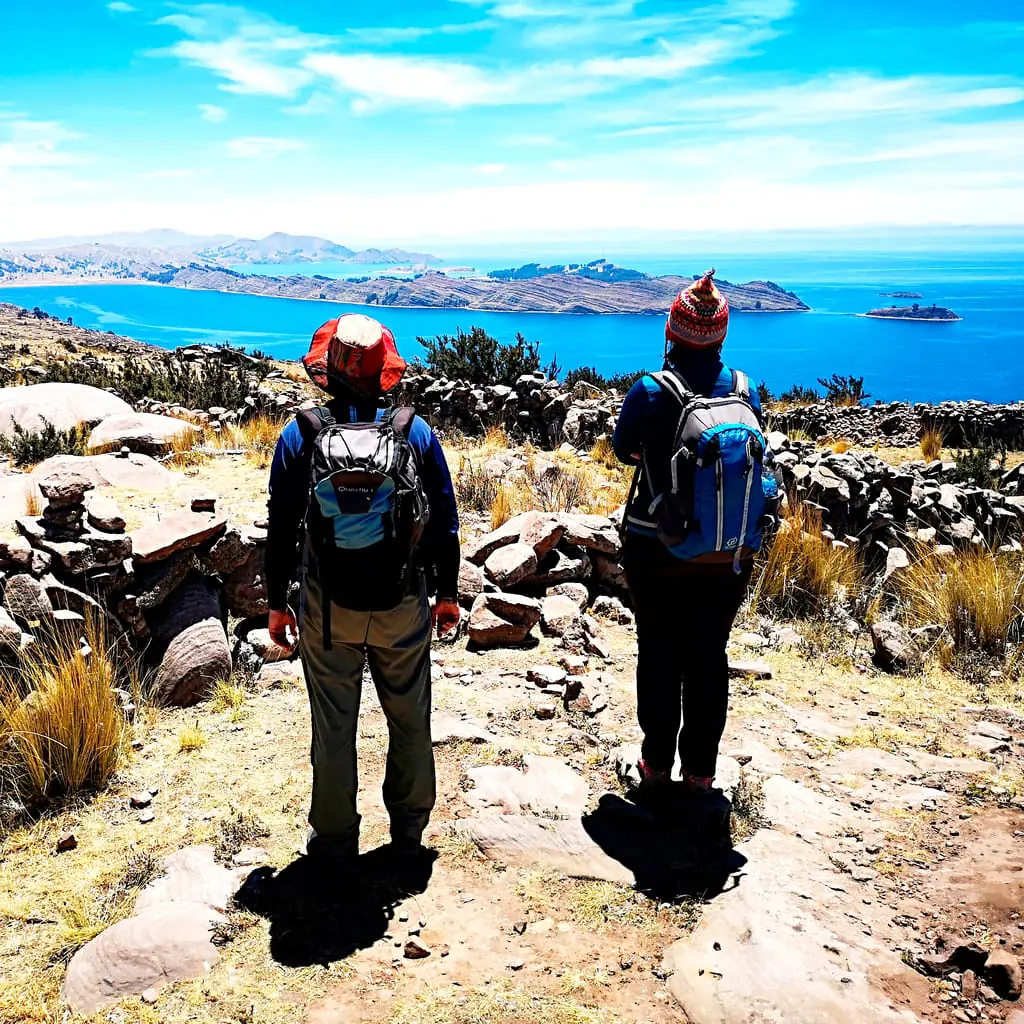
When in Peru, it is definitely worth planning your time so that you can walk along an Inca trail at least once. After all, it is precisely this kind of gem that is unique on a global scale! And if we want to discover something very original in this particular country, then trekking with Qhapaq Ñan in the leading role will be one of the best attractions!