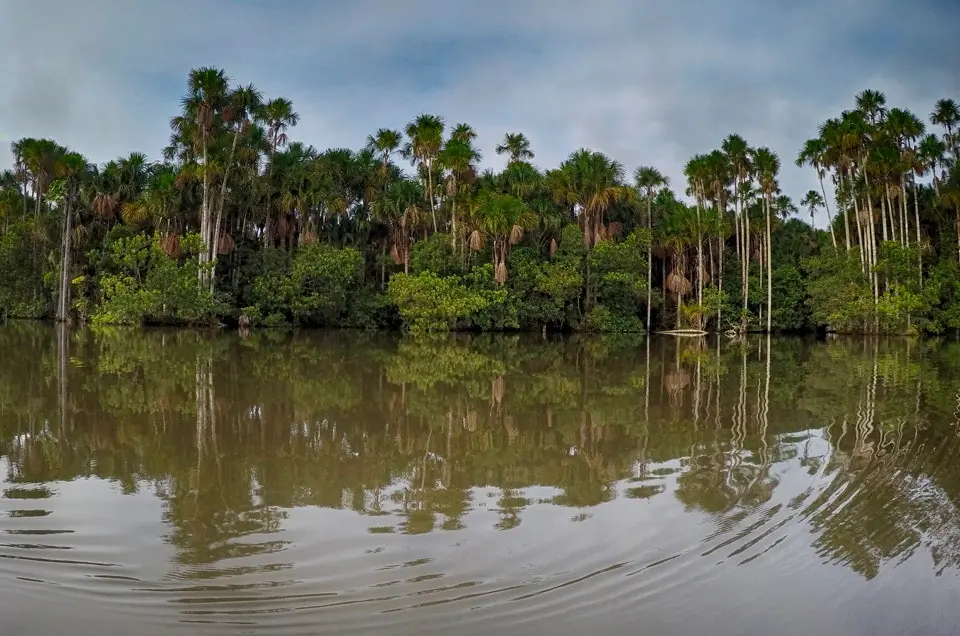
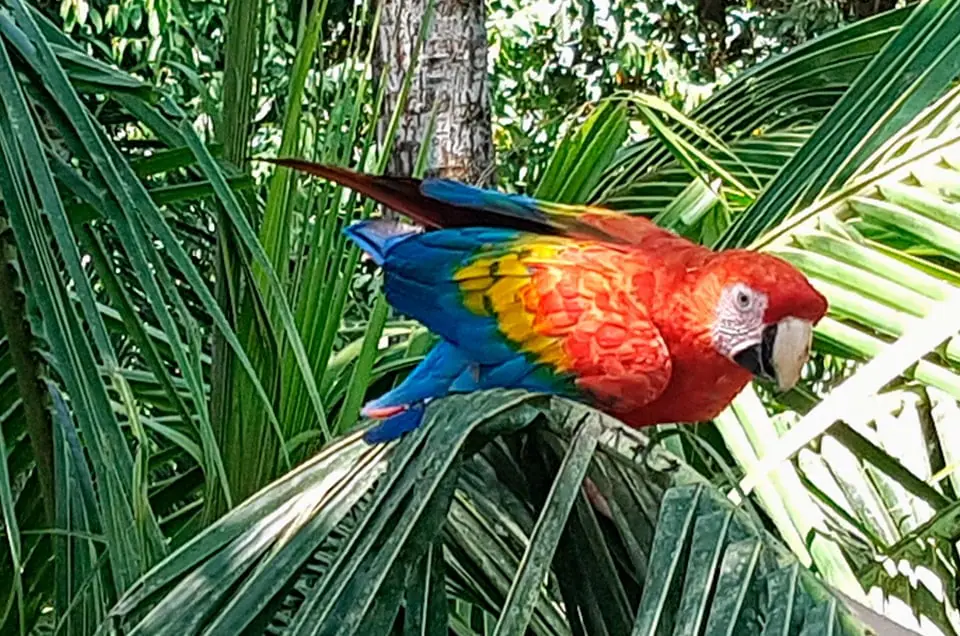
My ideas about the jungle were completely different from the reality I found when I first visited the Peruvian selva. At first, I was a bit disappointed. It little resembled what I had seen on TV, in reports, or in magazines. But after several trips to different corners of the Peruvian jungle, I not only started to like it immensely but also to fall in love with it. Now I return as often as possible. What to do to make traveling in these regions very interesting? Today we suggest how to plan jungle trips in Peru.
Vibrant mornings and evenings, when the local animal world comes to life, and on the other hand, the incredible silence during the hot, humid day… Getting to know medicinal plants that help treat the most complicated ailments, spotting numerous species of birds, reptiles, mammals… Extraordinary relaxation, peace, and maximum contact with unspoiled nature. That's how it is every time I go to the selva. Before I obviously reach the places where all this is felt 100%, I have to push through larger or smaller cities. They are rather less enchanting, but also worth getting to know. Especially the local markets, where exceptionally delicious food is served. In such cities, I like to visit the ports the most; that's where the most happens. However, you have to be careful, because these places are the least safe for a white person.
How to plan jungle trips and what to pay attention to!
Fall in love with the jungle instead of being disappointed?
When going to the jungle, you must be aware of several very important issues. Otherwise, you may be somewhat or very disappointed, especially if you have specific ideas about its appearance and character. As for the selva in Peru, remember that it covers about 60% of the country's area! Each part of it is different. What does this mean in practice?
If you care about getting to know specific vegetation or seeing particular animals, you must first determine whether they occur in the region you are going to. Individual parts of the jungle present different fauna and flora. You will also find different attractions and unique gems in them.

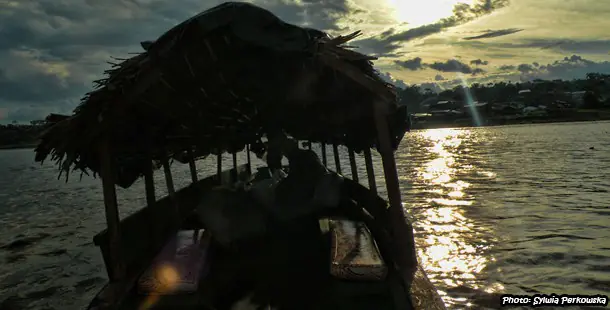
Transport on the Ucayali River
Each time you will also encounter different local communities! And here's an additional note! If you care about getting to know specific tribes, remember that access to them will not be possible from every place. There are parts of the jungle where indigenous tribes do not live, or they are so deeply hidden that reaching them takes not days but weeks, and additionally you need good local contacts to even hope for a meeting.
How much you get to know the jungle will depend primarily on 2 factors!
First, to become more familiar with the selva, to see more, you must come here for at least a few days. The longer you are here, the deeper you can go and the more you can experience. The more wild the terrain, away from individual cities and towns, the more species of birds, mammals, reptiles, etc.
Second, there is no chance to get to know the jungle more fully without a good, proven, local guide! To explore these areas, you need someone who knows, understands, and feels the area very well. Ideally, it should be a person who lives here permanently. Only they will be able to show as much as possible, locally. The jungle has its own rules. To reach specific vegetation or observe the animals that inhabit it, you need to know many nooks and crannies. You also need to understand the local world and know at what times of day, where exactly individual species are, and at what times they are active at all. Otherwise, you can only walk around and see nothing!

In search of birds in Manu National Park
Is it worth traveling through the jungle on your own?
In my opinion, it depends on what you expect. If you want to get to know local life, what surrounds you, without venturing into more wild areas to see the local, very diverse fauna and flora in the widest possible form, and moreover, if you know Spanish, maybe this option will appeal to you the most.
However, if you want to get to know areas more remote from civilization, more inaccessible, wild, without a guide it rather makes no sense to come here. For these purposes, you will always have to hire someone who will introduce you to the local world. Who will take you by boat where you can observe animals or get to know interesting plants. Who will lead you through parts of the rainforest, e.g., from one village to another, who will spot on the route everything that moves, what may interest you, make you aware of how beautiful the local selva is. Contrary to appearances, it is not easy for an inexperienced person to notice any details. It takes a lot of experience, knowledge, intuition, and a good eye! Also remember that in the Peruvian jungle hardly anyone speaks English. So if you don't speak Spanish, it will be difficult to fully benefit from the wonders this part of the world offers.
Safety in the jungle
Another issue to analyze! Not every part of the jungle in Peru is safe for tourists. Some tribes are not friendly to outsiders. There are also places where a drug route still operates. Better not to appear there. Which areas are these? Local residents of specific regions will best inform you about this. Just ask them how far from the city you can venture and in which direction, so that nothing threatens you. If you make a mistake in this regard and venture where you simply should not appear, you must reckon with the fact that you will never manage to return. These are realities worth taking deeply to heart.
It is also worth remembering that the jungle is inhabited by various creatures. A moment of inattention can cost not only health but also life. There are species of animals whose bite or sting can cause death.
We also invite you to our article “A Short Trip to the Jungle. Pacaya Samiria National Reserve Iquitos, Peru”. It is a relation from our trip to one of the most popular jungle regions.
To get into the atmosphere of the Peruvian selva, it is worth preparing a bit for such a trip, setting priorities that will make it easier to decide on the way of sightseeing. The jungle is specific, you don't get to know it like a museum or the center of a city. Regardless of whether you go to Iquitos, Manu National Park, Pucallpa, Tarapoto, or yet another part, many wonderful places will await you. As long as, of course, you know where and how to look for them, or if you reach them with someone who knows them perfectly!