


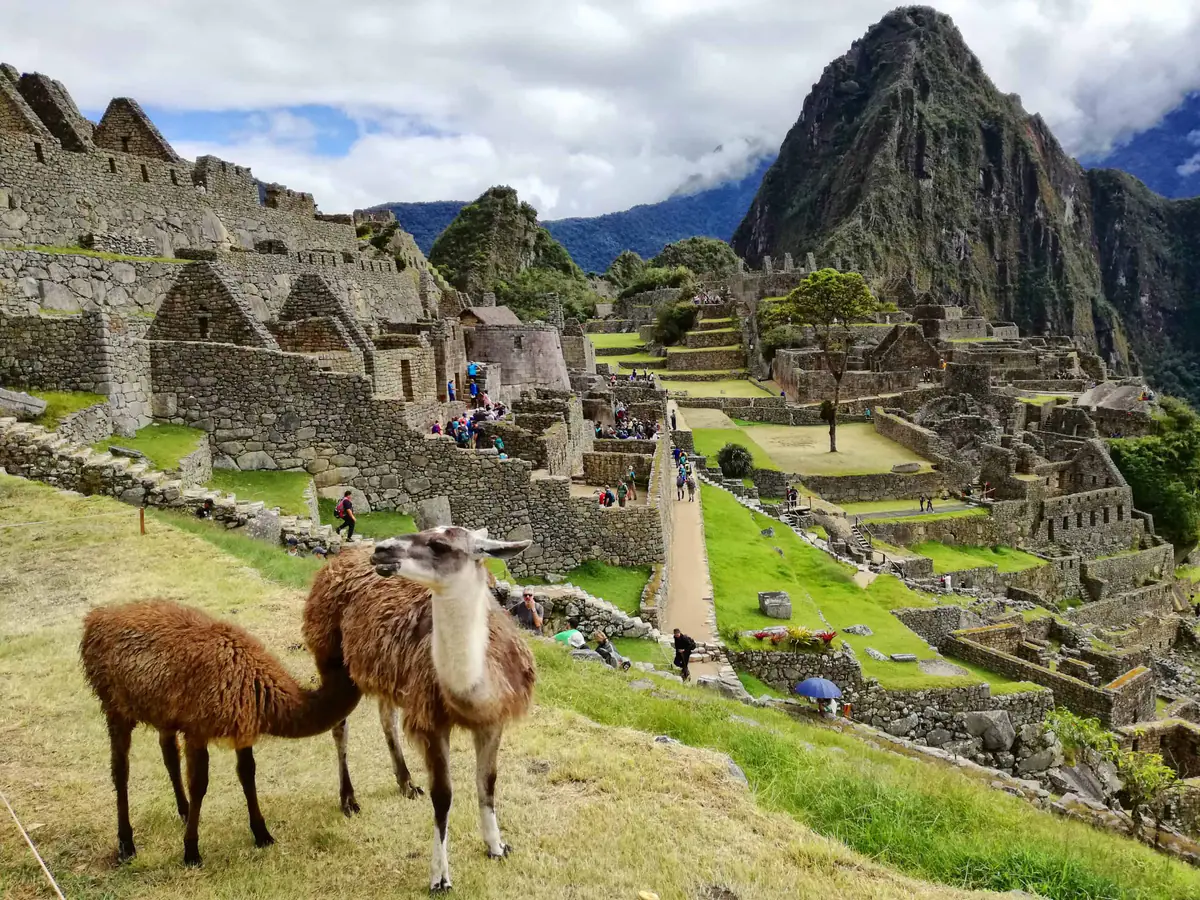
Two beautiful concerts were held at Machu Picchu. Who played at them? What pieces were performed? What did the ruins look like in 1981? Discover fascinating facts about Machu Picchu with music as the star 🙂
It is October 1943, and Pablo Neruda (actually Ricardo Eliecer Neftalí Reyes Besualto) – the Chilean poet and winner of the Nobel Prize in Literature in 1971 – arrives at Machu Picchu. He is absorbed by the beauty of the Inca ruins, their very location, the rocks, the stones. He pauses for a moment, wondering who carved each of these stones, who smoothed each rock and built each wall… His fascination with Machu Picchu was so great that years later he wrote the famous poem “Alturas de Machu Picchu” in honor of these ruins. In this poem, the poet, amazed by the greatness of human creation he witnessed at Machu Picchu, refers to the glorious indigenous past of Latin America, human misfortune, death and pain, and the history of the citadel itself.
But that is not the end of the beautiful story of the text “Alturas de Machu Picchu”; the next part is connected with music 🙂
Pablo Neruda’s work inspired the well-known Chilean band Los Jaivas, who decided to set it to music. Thus was born the group’s seventh album, also titled “Alturas de Machu Picchu”. It was released in 1981. It features Pablo Neruda’s popular poem “Alturas de Machu Picchu”.
The poem “Alturas de Machu Picchu” itself is one of the most important in Neruda’s poetry, and its musical adaptation by Los Jaivas has been recognized as masterful and faithful to the content of the original work.
Los Jaivas also had a unique opportunity to perform a concert in the ruins of Machu Picchu. It took place in 1981. It is worth watching the video of this event, not only to hear the beautiful music but also to see what the ruins of Machu Picchu looked like at that time.
Los Jaivas – Alturas de Machu Picchu en vivo, 1981
But that is not the end of the news about Machu Picchu and Los Jaivas!
In 2011, Machu Picchu celebrated the centenary of its discovery. For this occasion, the Chilean group was invited to the ruins again. Beautiful circumstances, a beautiful concert with fragments of works that the band had first played there 30 years earlier. It was said to be a very emotional evening that brought tears to the entire band as well as the audience.
Los Jaivas en Machu Picchu – concert in 2011
Claudio Parra, pianist and founder of the band, noted that during concerts the group usually plays three songs from their famous seventh album, but at the aforementioned gala concert in the historic sanctuary of Machu Picchu in 2011, they played exclusively songs from the album “Alturas de Machu Picchu”. He also emphasized that it is a “miracle” to play at Machu Picchu again and that “It is a gift that comes to us from heaven. We never imagined returning with our instruments, and moreover interpreting this work, Alturas de Machu Picchu, which was created especially for this citadel.”

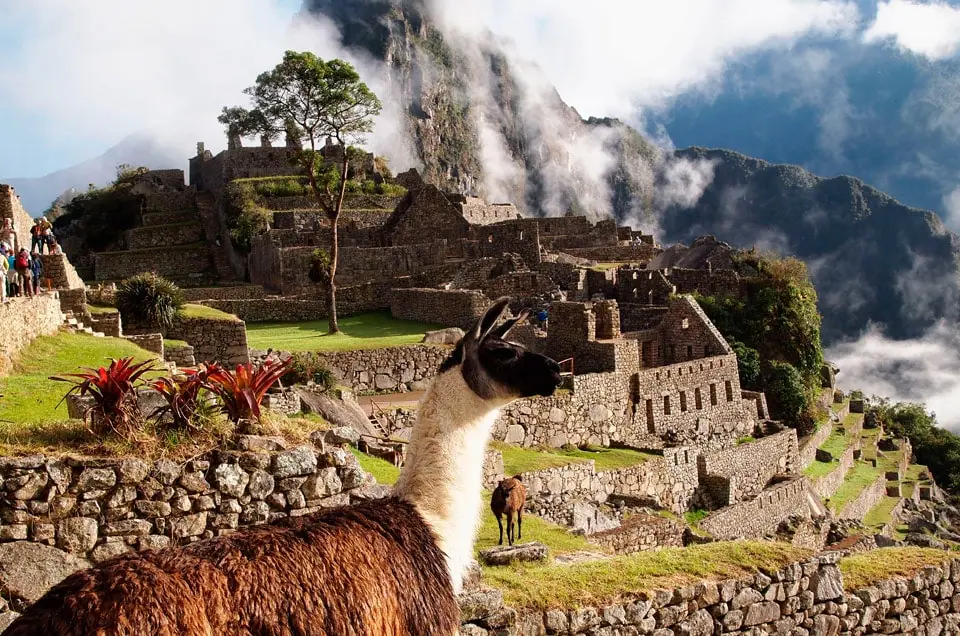
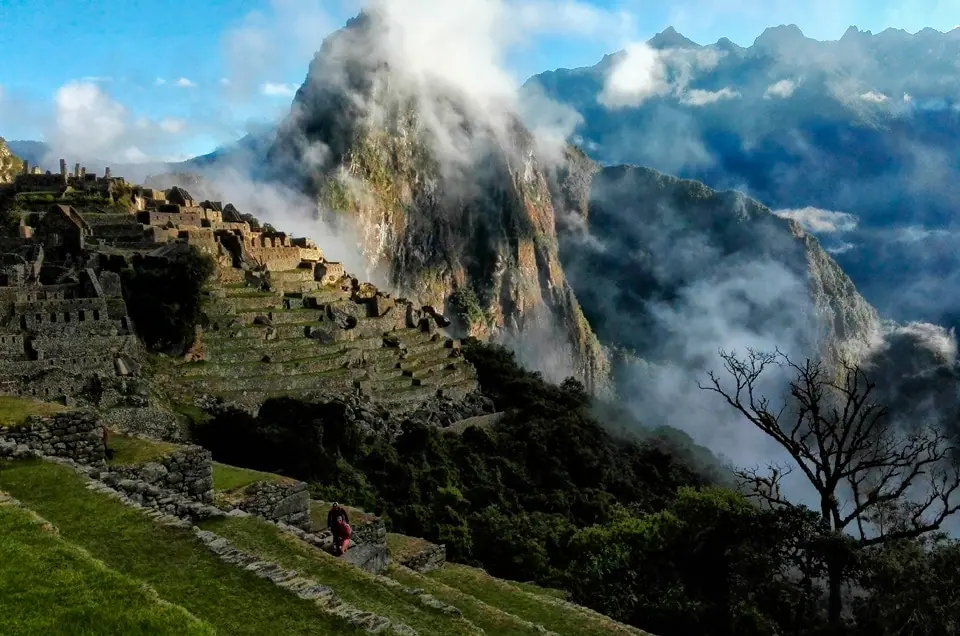
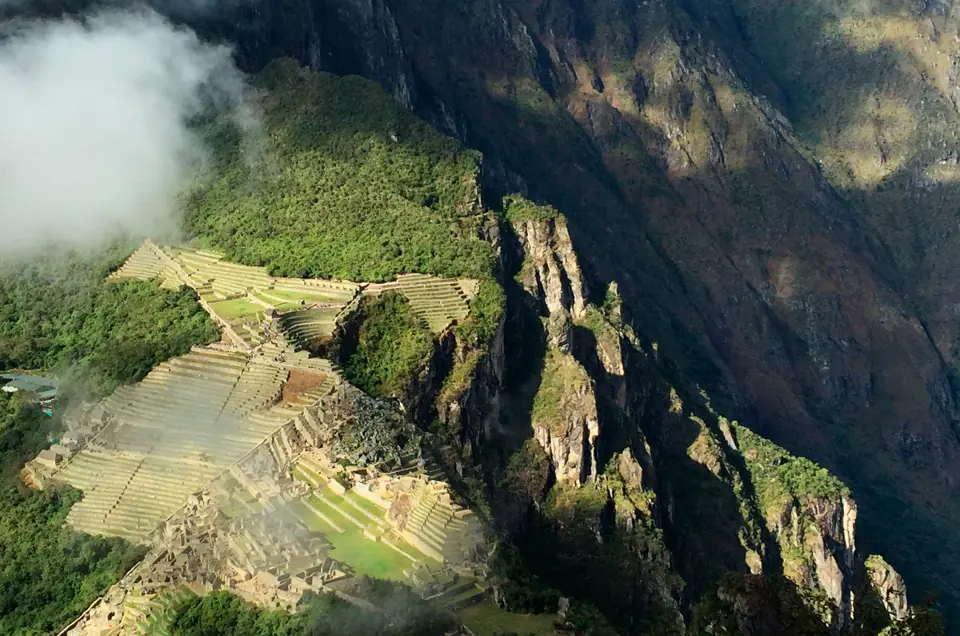
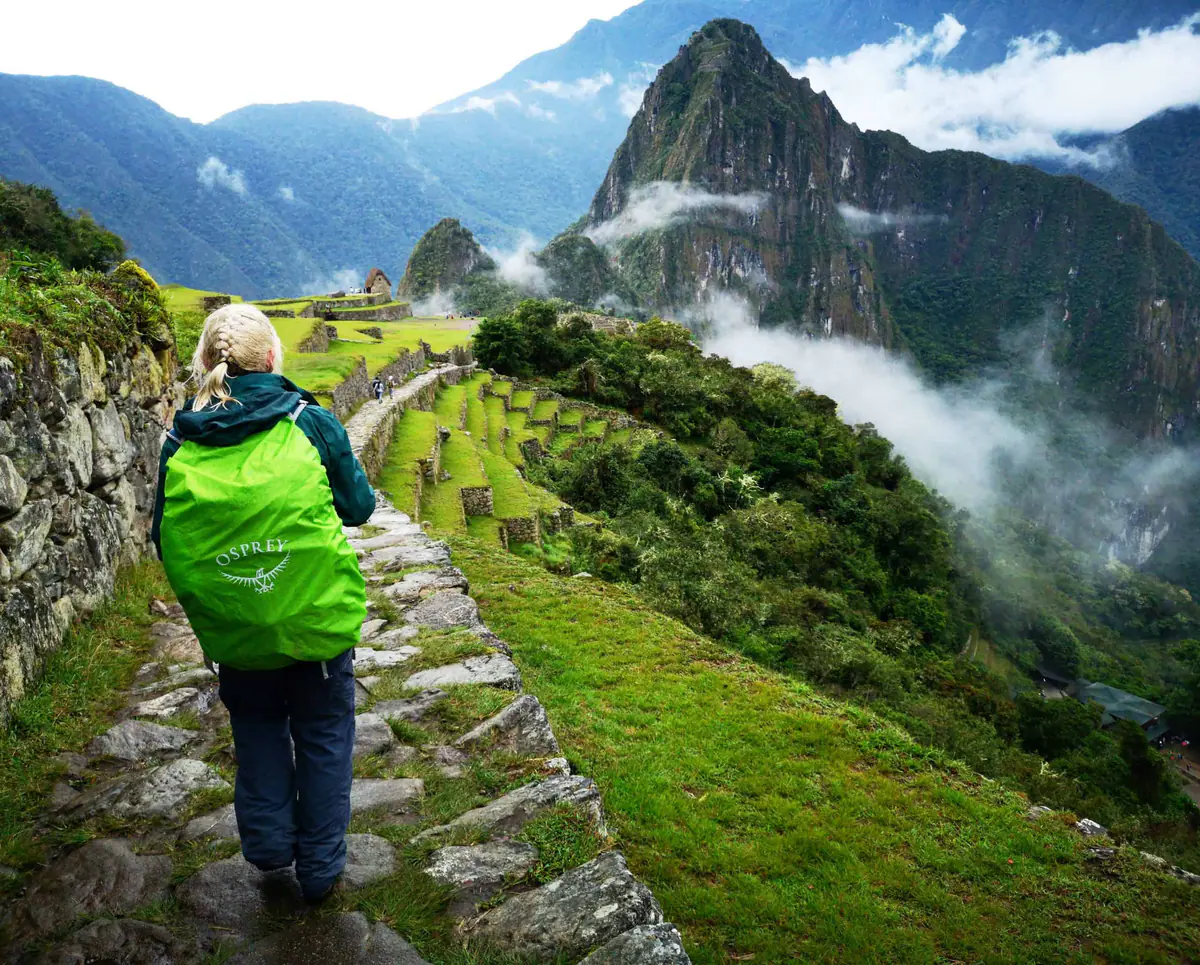
Machu Picchu in Peru
Follow our blog for more fascinating facts about Machu Picchu 🙂