
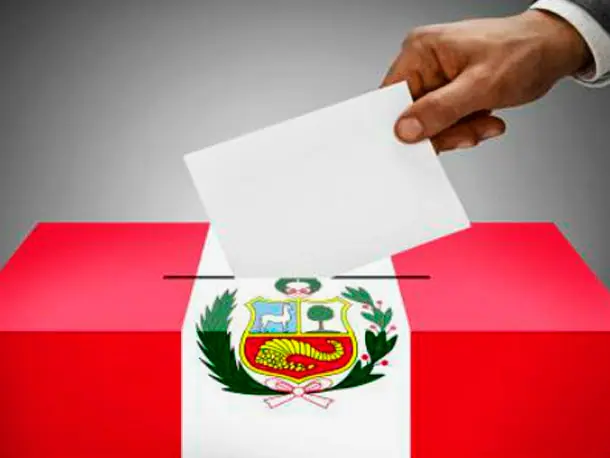
In 2016, presidential elections took place in Peru. There's nothing unusual about that. Most countries elect a new president from time to time. However, there are two aspects worth highlighting in the context of Peruvian elections that would definitely be good to know! Why? In my opinion, they are interesting, and one of them is even connected to Poland. But details below!
In Poland it's a right, in Peru it's a duty to participate in elections. So many countries, so many customs 🙂
A few words about the duties of Peruvians, or compulsory voting in Peru
Poles exercise their right to vote; Peruvians, on the other hand, have an obligation to do so! Whether you want to or not, in Peru you have to go to the ballot box, otherwise you'll complicate your life. And nobody wants that.
Compulsory voting in Peru applies to everyone who has turned 18 and lasts until the age of 70. After that, you can freely decide whether you feel like voting or not.
And what are the consequences?
What if you don't want to vote? You'll have to pay a fine! Depending on the wealth of the region you live in, the fine is: 19.75 soles (regions classified as very poor), 39.50 soles (regions classified as poor), and 79 soles (regions not classified as very poor or poor). For example, Peruvians living in Lima and Callao will pay the highest fine. Relatively higher fines are also imposed on board members. In case of refusal to vote, they will face an expense of 197.5 soles.
And what if you don't pay?
Such a person will face many problems. Among other things, they won't be able to change their address, leave the country, or handle anything at any office. In fact, they won't be able to do anything that usually requires an identity document.
To avoid such complications, it's best to pay the fine as soon as possible. You'll then get a kind of entry in the equivalent of our ID card, and the matter is settled. At least until the next elections and possibly until the next refusal to vote.
There are also certain situations in which you can be exempted from voting. This mainly applies to the following situations:
- theft or loss of the DNI identity document (you must have confirmation from a police report)
- death of a family member (parent, child, sibling, or spouse)
- natural disasters and force majeure
- citizens who travel abroad for study or health reasons,
- disability
The 2016 presidential elections in Peru and the winner's Polish roots
For the next term, Peruvians elected Pedro Pablo Kuczyński as president. The surname sounds Polish. And rightly so, because it turns out that the president is partly Polish, as his grandparents came from our country. And so, in a way, we have another Polish-Peruvian accent.
Did you know that in Europe there are also countries with compulsory voting? These include Belgium, Greece, and Luxembourg. More information on the right/duty to vote around the world can be found, among others, here – in an article by Łukasz Żołądek “Compulsory Voting” (Bureau of Research and Analysis).