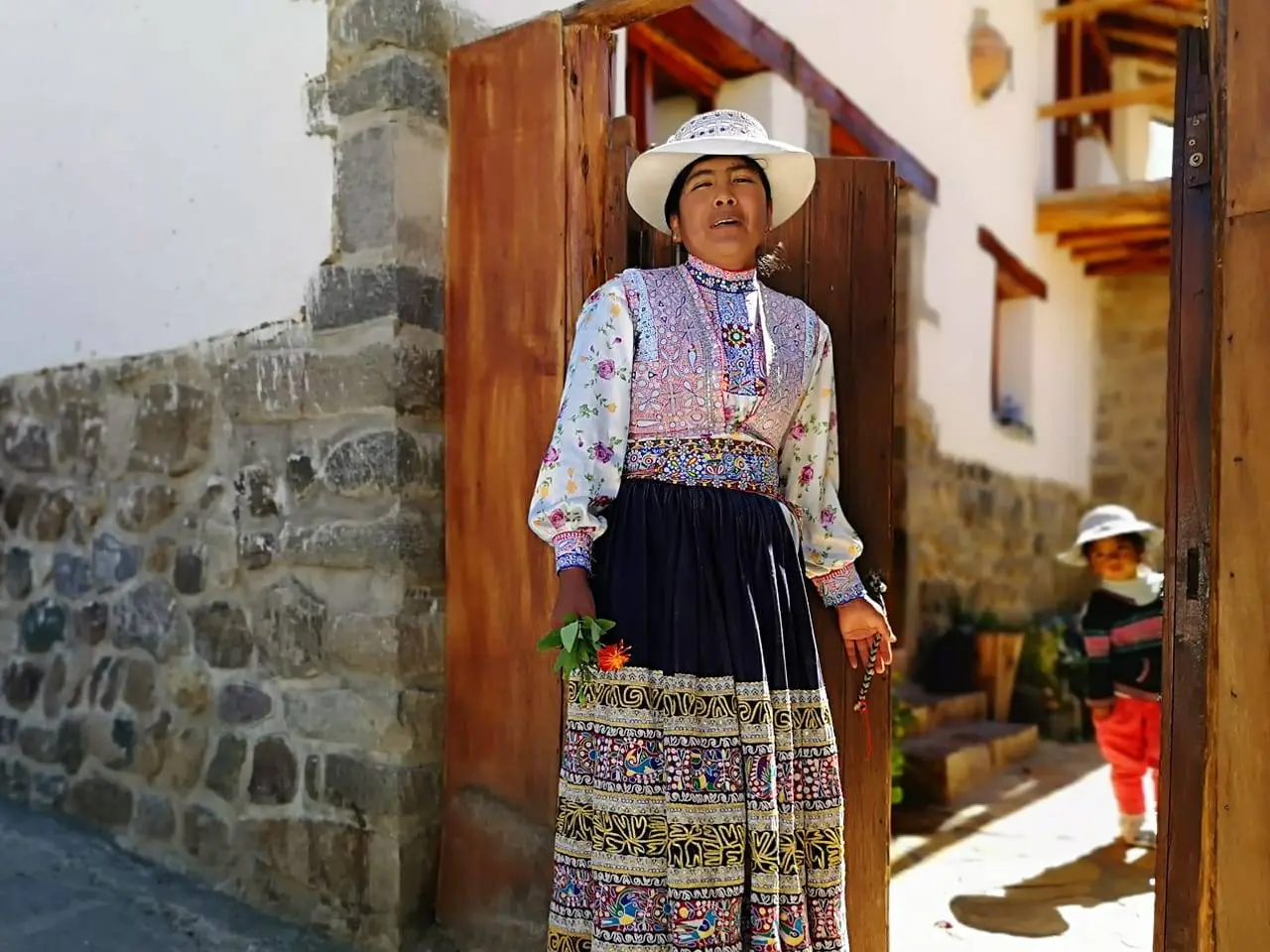
The vast majority of visitors to the Colca Canyon in Peru, located in the Arequipa region, associate this area with condors, or possibly with the Polish kayaking expedition of 1981. But have you heard of the famous dance Wititi (La danza del Wititi del valle del Colca) from these lands?
The uniqueness and significance of the Wititi dance from the Colca Valley were first recognized by the state, and later by UNESCO. In 2009, the Ministry of Culture declared the Wititi dance as Cultural Heritage of the Nation, and in 2015 it was inscribed on the Representative List of the Intangible Cultural Heritage of Humanity of UNESCO. It is the third dance from Peru to be added to this list, alongside: La Huaconada, danza ritual de Mito (inscribed in 2008) and la Danza de las Tijeras – the scissor dance (inscribed in 2010).
Colca Canyon and its unique traditions
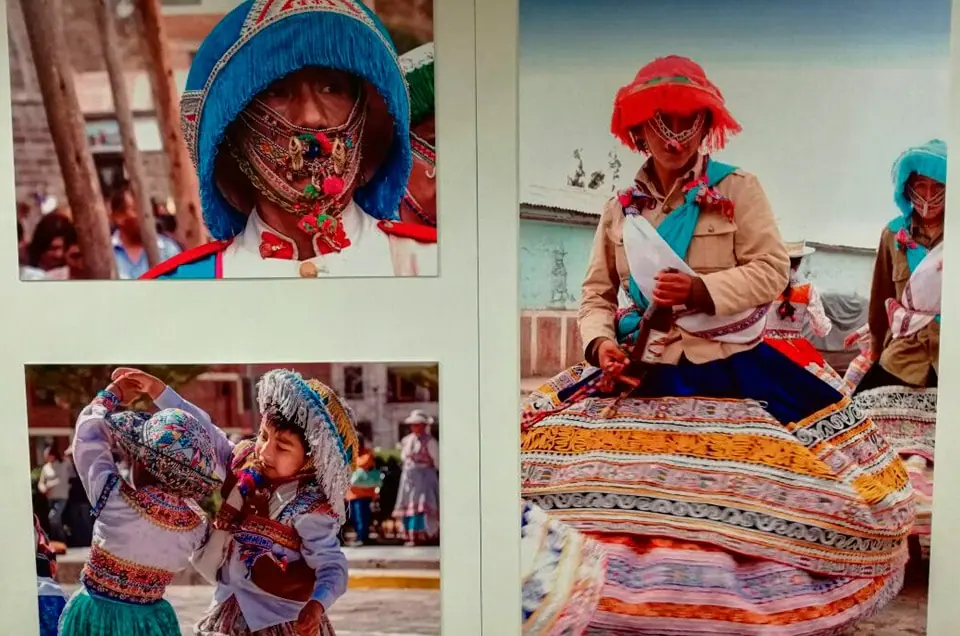
The Wititi dance, also known as the Arequipa dance, is a traditional folk dance associated with agriculture and the ritual of love courtship. It is performed in pairs by young people during religious festivals celebrated during the rainy season. It is one of the most complex and widespread cultural expressions in the Colca Valley and expresses joy, pride, and the memory of the two cultural groups that inhabit these lands: Collagua and Cabana. The continuation of dance traditions to this day strengthens social bonds, identity, unity, integration, and harmony of the communities of the Colca Valley.
In this dance, the man's costume stands out. Men wear two women's skirts, one over the other, a military-style shirt, and a shawl. Where did this idea come from? There are two theories about this. One says that the reason was military purposes (it was meant to deceive the enemy), while according to another, it was a way to seduce women without arousing their suspicion.
Below is a video from which you can learn more about the dance tradition of the Colca Valley.
The Wititi dance is one of eight cultural events in Peru inscribed on the Representative List of the Intangible Cultural Heritage of Humanity of UNESCO. Besides this festival, the list also includes:
- The oral heritage and cultural expressions of the Zápara people – inscribed jointly with Ecuador
- The art of weaving on the island of Taquile
- Huaconada – ritual dance from the Mito region
- The scissor dance
- Fiesta de la Virgen de la Candelaria
- Customs and traditions associated with the annual renewal of the Inca rope bridge Q’eswachaka
- The Inca bridge Qeswachaka
- Pilgrimage to Señor Quyllur Rit’i
Watch a video featuring the Wititi dance in the leading role Wititi dance of the Colca Valley.
Do you want to see the Wititi dance with your own eyes, or perhaps even try dancing with the locals of the Colca Valley? Head to these lands for a few days during the rainy season!