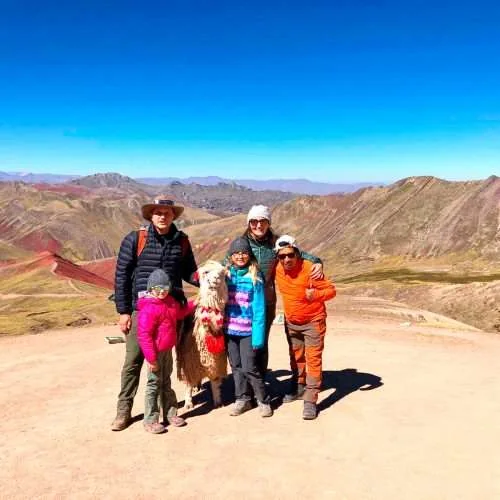
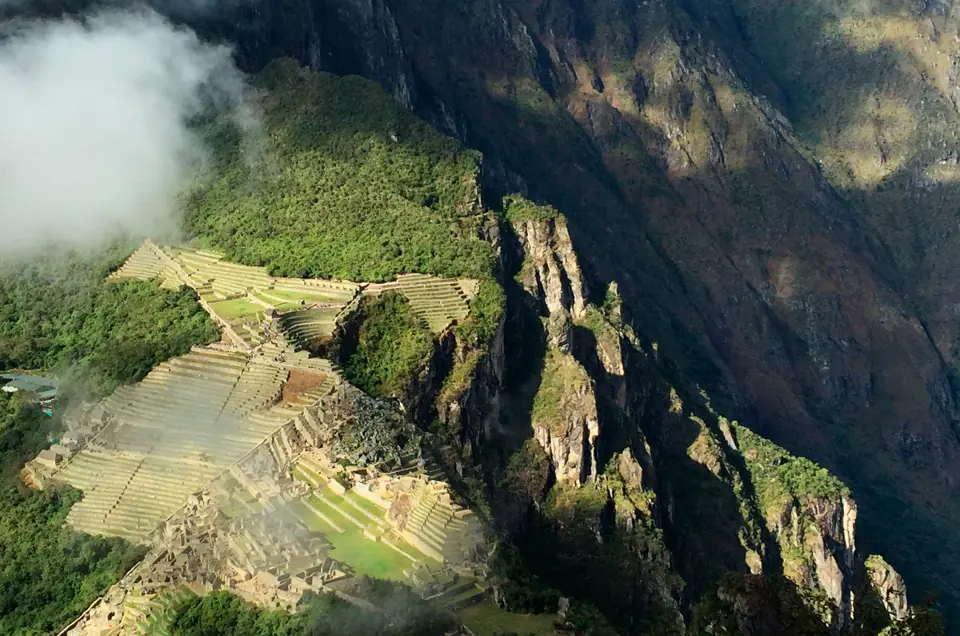
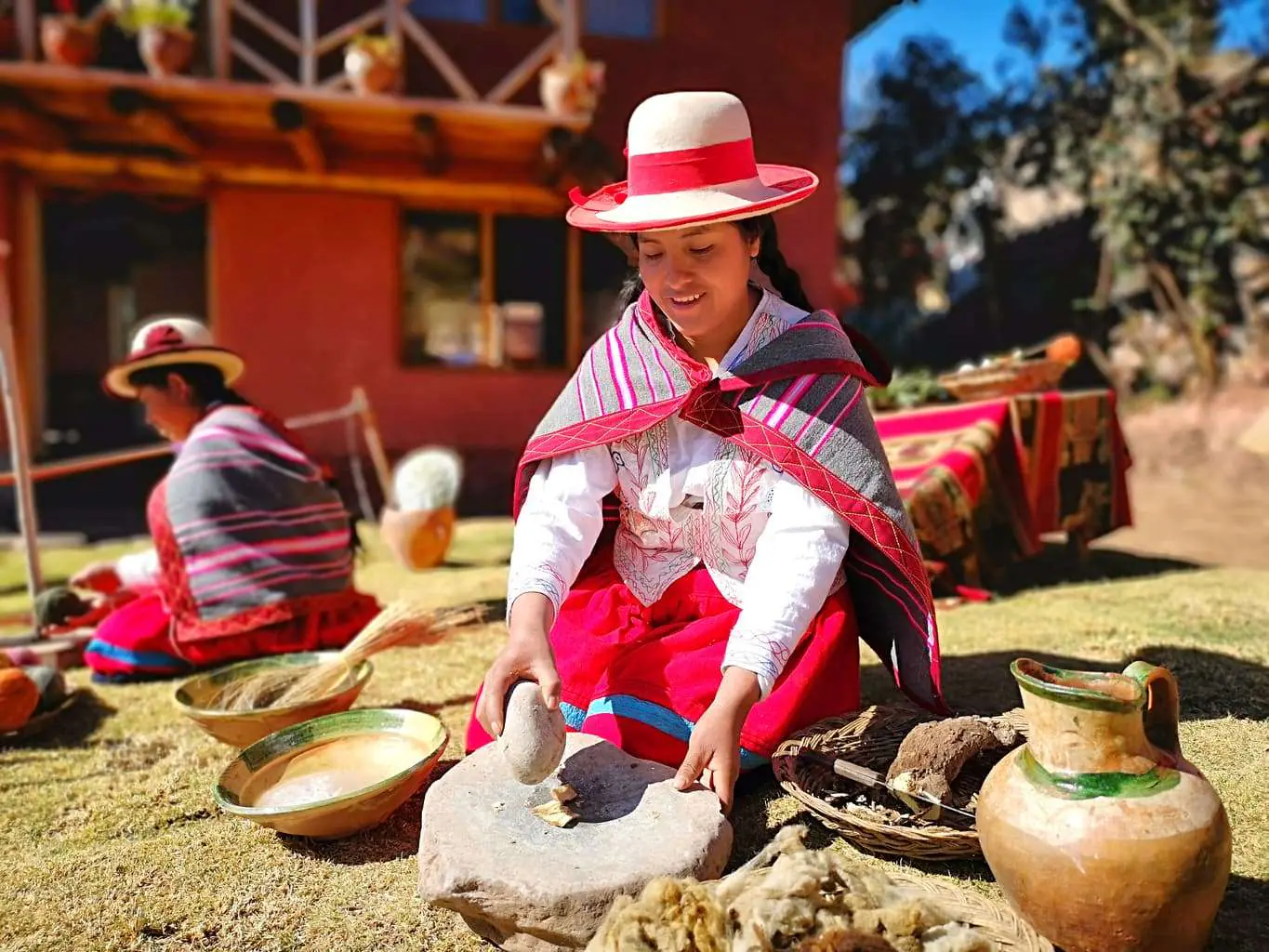
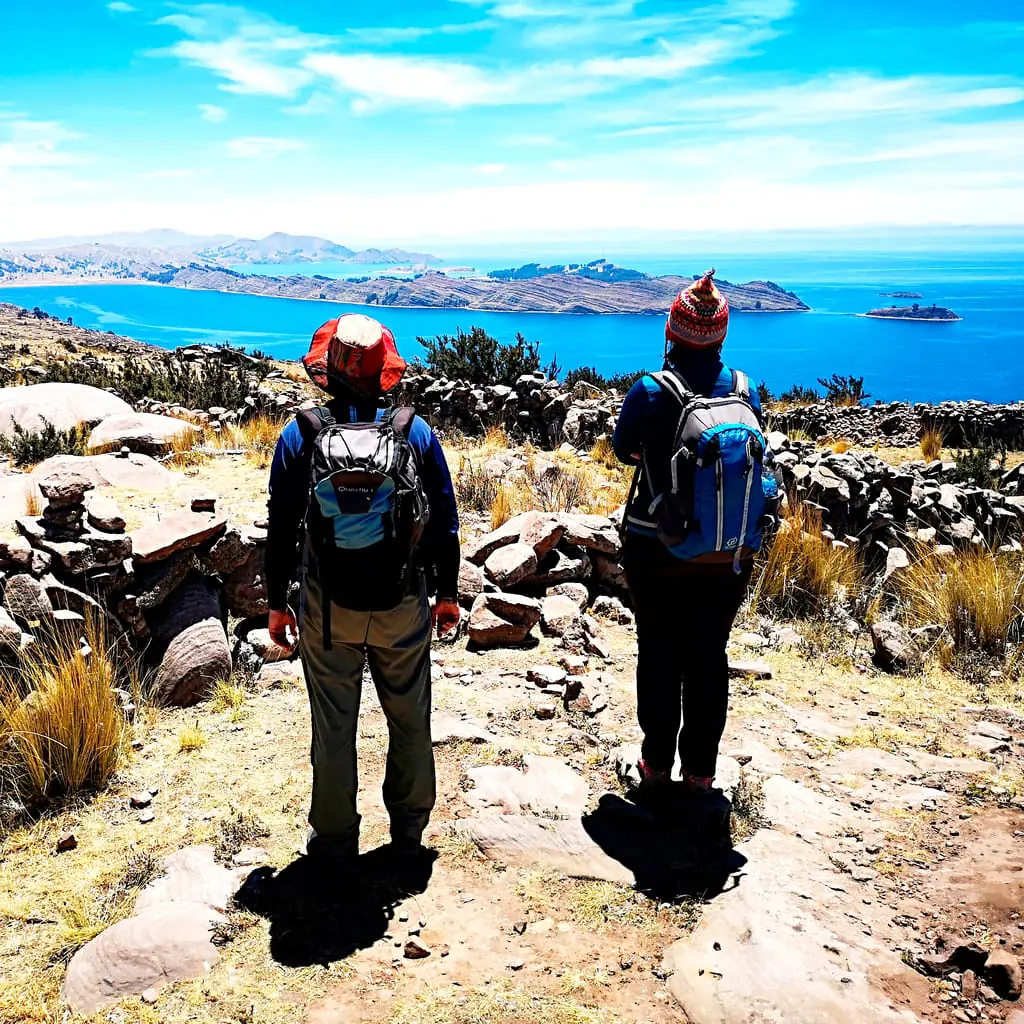




What should you eat to be healthy? Today, more about chia seeds (Spanish sage), which I got to know and love during my stay in Peru 🙂 Since then, they cannot be missing from my kitchen and the meals I prepare. Discover the noble properties of chia and the history of this plant.
The Aztecs and Mayans – you've surely heard of these cultures. They once inhabited the lands of Mesoamerica, ultimately conquered by Spanish conquistadors. It was these peoples who first fell in love with chia seeds, showed how they could be used in their daily diet, and revealed their power and value. With the settlement of the Spanish in Central America and later in South America, chia was displaced by other crops such as wheat, barley, and rice, and eventually fell into oblivion for nearly five hundred years. Fortunately, it didn't disappear forever; on the contrary, it is now experiencing a second life!
Chia (Salvia hispanica L.) is an annual plant in the Lamiaceae family. It belongs to the same family as mint, thyme, rosemary, and oregano. It originates from Mesoamerica – mainly from the area that is now Mexico and Guatemala, where it was cultivated as early as around 3400 BC. It is grown in tropical and subtropical conditions and is unfortunately not frost-tolerant. Chia seeds are classified as pseudocereals, which do not contain gluten and are an ideal substitute for grains, especially for people who must follow a gluten-free diet. Other pseudocereals include quinoa, amaranth, and buckwheat.
The name chia appeared with the arrival of the Spanish in America in the 16th century and is a translation of the word chian from the Nahuatl language (the Aztec language). For the Aztecs and Mayans, chia was one of the staple crops. It was used not only for consumption but also for medicinal, religious, and ceremonial purposes. Chia seeds were offered to local gods and also served as a form of currency. It was given to warriors and outstanding athletes to strengthen their bodies and provide more energy. It was partly for this reason – due to the almost sacred nature of this plant to the Aztecs – that the Spanish decided to restrict its use by the conquered state.
In the last decade of the 20th century, Spanish sage began to attract increasing interest, and now it is experiencing a second life. It is currently cultivated on an industrial scale not only in its place of origin – Mexico and Guatemala – but also in countries such as Nicaragua, Ecuador, Argentina, Bolivia, Colombia, and Peru, and even in Australia. Chia began to be commercialized internationally in the 1990s. Currently, the largest producers in the world are Mexico, Paraguay, Argentina, and Bolivia. Peru also produces a lot of Spanish sage seeds, and the country is the fifth-largest supplier of chia to the USA.
What is chia good for?
Chia seeds are easy to digest, making them a paradise for our stomachs. They hydrate the body well, help maintain electrolyte balance, and increase endurance during competitive sports. It turns out that Spanish sage seeds have their fans among long-distance runners. Due to the high amount of omega-3 fatty acids, consuming chia seeds can positively influence the reduction of inflammation in the body and the occurrence of lifestyle diseases, including heart disease, cancer, and arthritis. They also have a very high content of antioxidants such as quercetin, kaempferol, myricetin, chlorogenic acid, and caffeic acid, which help reduce the risk of developing cancer. Thanks to the antioxidants in Spanish sage, they stay fresh for several years.
What will you find in Spanish sage seeds?
In chia seeds you will find: lipids: 30-34%, proteins: 16-26%, carbohydrates: 37-42% (among which dietary fiber predominates). The content of individual components in chia seeds varies depending on the growing region, but the unusual composition of the lipid fraction makes these seeds an extremely valuable dietary element regardless of their origin. Spanish sage seeds have the highest ALA content among plant products known as rich sources of this acid, such as camelina (Camelina sativa L.), perilla (Perilla frutescens L.), or flax (Linum usitatissimum L.). Chia seeds are free from mycotoxins (harmful secondary metabolites of mold fungi) and also do not contain gluten. You can find a detailed analysis of the composition of chia seeds in the materials provided below. It is worth noting that they are rich in these vitamins: vitamin C, thiamine, riboflavin, niacin, vitamin A, vitamin E, and in these minerals: calcium, iron, magnesium, phosphorus, potassium, sodium, zinc.
What interesting things can you make with chia seeds at home?
You will usually come across information that Spanish sage is a great addition to juices, smoothies, muesli, puddings, and yogurts. All of that is true; chia tastes brilliant in smoothies or combined with juices, BUT... There is a very big BUT... If you want to stay healthy, remember a very important rule: you should never combine any fruits with anything that is not a fruit, and therefore also not with chia seeds.
Why?
Fruits are healthy, very much so, but primarily when you eat them on their own, when you don't add them to another meal, when you don't combine them with vegetables, grains – simply and most plainly, when you don't add them to anything that is not a fruit!
If you combine fruits with something that is not a fruit, the body will have more work to process the individual components, and more unfavorable processes will occur. Our bodies are amazing machines, perfect, in which constant work is always ongoing. Therefore, it is worth not only eating healthy products but also learning to combine them in a way that gives them some respite, so as not to burden them with additional work and difficulties. So the whole game is not only about eating healthy products but also about being able to combine them properly, so that they don't harm us. A bad combination of healthy products, or in inappropriate proportions, can cause a lot of harm to health. Therefore, I wholeheartedly recommend enjoying fruits in their pure form; let the body get what is best and easiest to process, and let it be free from extra work :-). Ideally and most healthily, it would be best not to eat anything else for at least 2.5–3 hours before and after eating fruit. These are my personal experiences, as well as the advice of dietitians with whom I have had and still have the opportunity to work 🙂 I stick to this rule; it is very logical to me, and thanks to not combining fruits with other products, I feel that my body works better and tolerates fruits. I don't have bloating, no stomach pain or general malaise after eating fruits, which used to accompany me when I ate them, for example, immediately after another meal :-). Try it!
So how to consume Spanish sage seeds healthily?
My way to a healthy drink with chia seeds
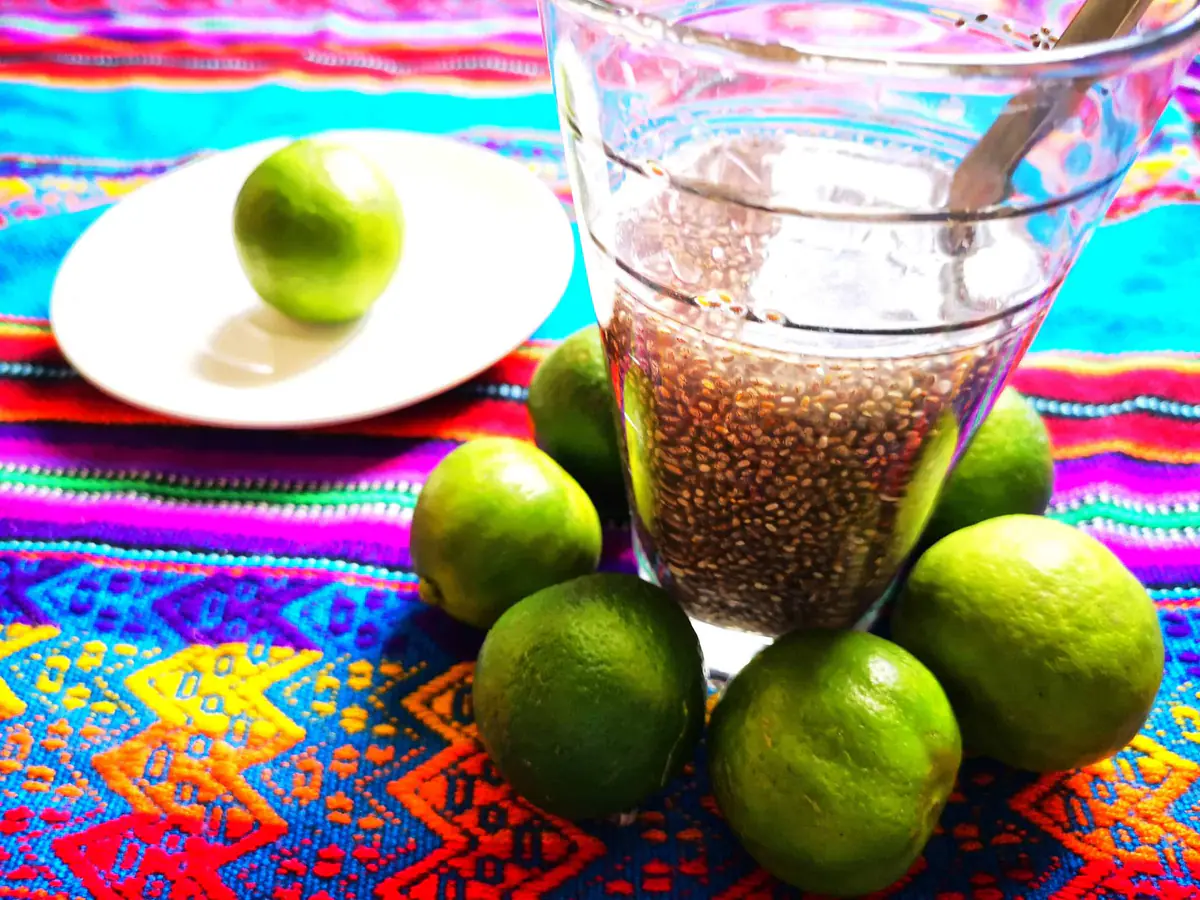
I drink chia seed juice that I prepare with water and lemon. It was in this form that the Aztecs also offered it. They called the chia seed drink in this form (water, lemon, chia) "chia fresca", meaning "fresh chia". I think it's the healthiest in this form :-). Lemon is neutral, so you can safely combine it with Spanish sage :-). If your body for some reason does not tolerate lemon, and if you want to use the health properties of chia 100%, it is worth drinking these seeds with pure water.
It is also worth adding chia seeds to vegetable dishes, for example by sprinkling them on salads. You can also eat them as a snack or as a thickener for soups and sauces. By adding chia seeds to flour, they will be great for baking bread, cakes, and pancakes. You can also sprout them, and the sprouts will perfectly complement your daily meal :-). Remember also that chia can easily be consumed both in seed form and ground.

Among others, these sources were used for this post:
- Spanish sage (chia) as a rich source of n-3 polyunsaturated acids with anti-atherosclerotic and cardioprotective effects
- Chia. Everything you need to know about the most nutritious plant in the world, Stephanie Pedersen and Dr. Wayne Coates
Health is the foundation; it's worth considering what we eat, what we drink, and in what form. Especially now, when the world is facing difficulties related to the plague commonly known as the coronavirus. Warm regards!